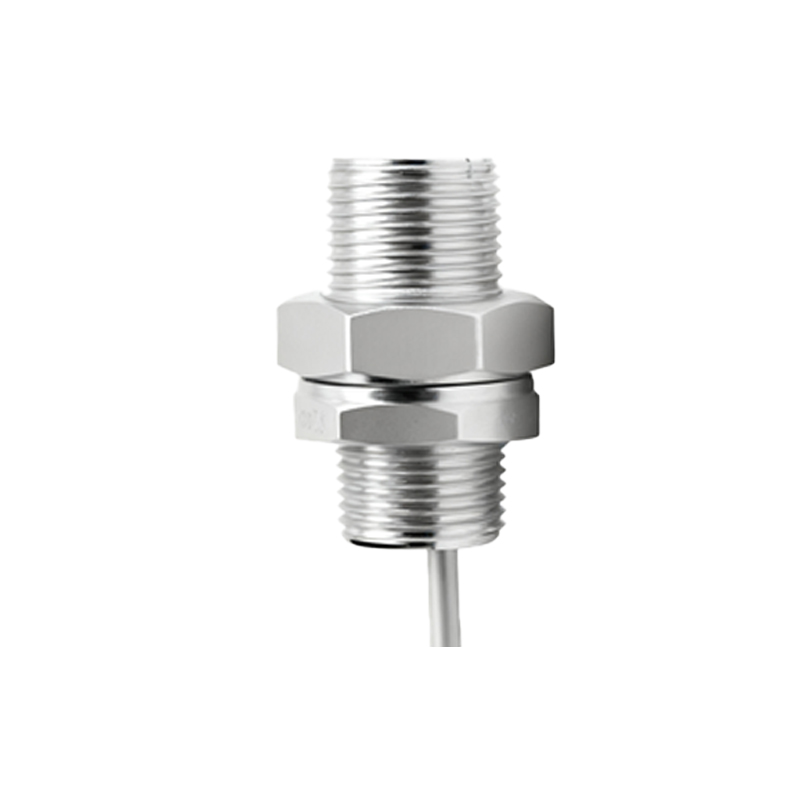
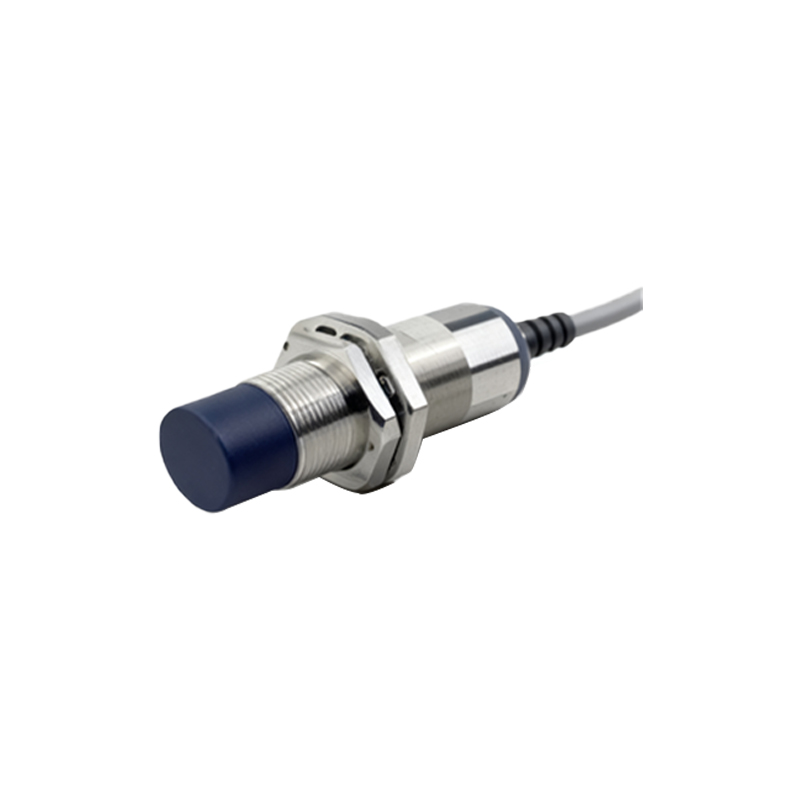
In the realm of industrial automation, the M18 proximity sensor switch stands as a cornerstone component, renowned for its reliability, versatility, and robust performance. These cylindrical, 18mm diameter sensors are non-contact devices designed to detect the presence or absence of metallic objects without physical contact, making them indispensable in countless applications from packaging and material handling to CNC machining and automotive assembly lines.
The fundamental operating principle of an M18 proximity sensor is based on electromagnetic induction for inductive types, which are the most common. The sensor generates an oscillating electromagnetic field from its sensing face. When a metallic target enters this field, eddy currents are induced in the target, causing a change in the oscillation amplitude. This change is detected by the sensor's internal circuitry, which subsequently triggers a solid-state output switch. This mechanism allows for high-speed detection, often in the kHz range, and exceptional longevity due to the absence of moving parts. Key specifications include sensing distance, which for a standard M18 inductive sensor is typically up to 8mm, though factors like target material (steel, aluminum, brass) and size can affect this range. Other critical parameters are the output type (NPN or PNP, normally open or normally closed), supply voltage (commonly 10-30V DC), and environmental protection rating, with IP67 being standard for resistance to dust and temporary immersion.
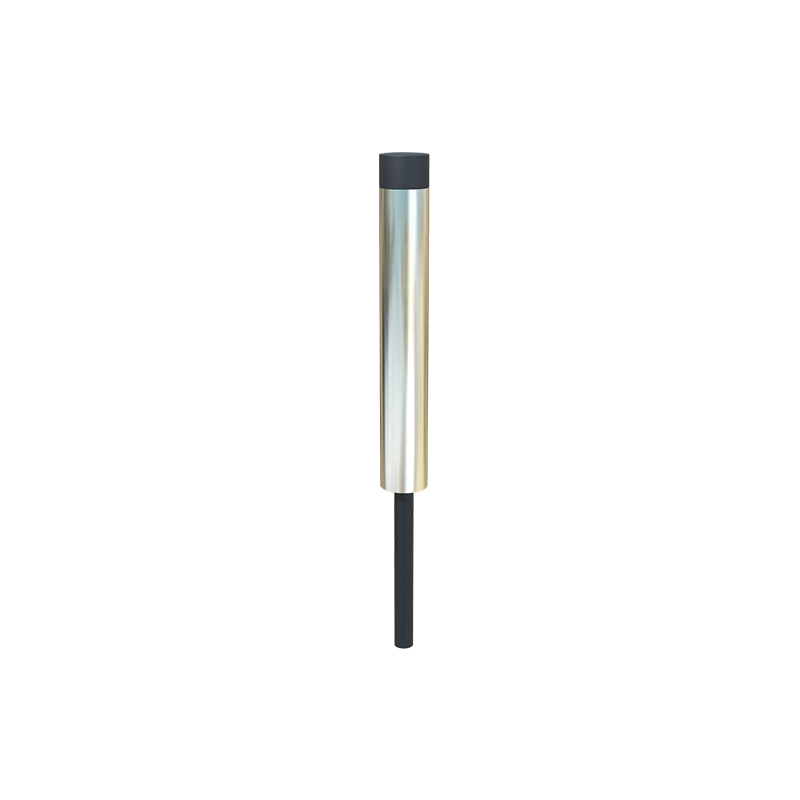
Selecting the right M18 sensor requires careful consideration of the application environment. For harsh conditions involving coolants, oils, or washdowns, sensors with stainless steel housings and high IP ratings (IP69K) are essential. In environments with heavy electromagnetic interference, shielded models are preferred to prevent false triggering, while unshielded types offer a slightly longer sensing range. For detecting non-ferrous metals like aluminum or copper, sensors with a factor-1 correction are necessary. Furthermore, the choice between a 2-wire, 3-wire, or 4-wire configuration depends on the control system's wiring and diagnostic requirements.
Installation and maintenance are straightforward but crucial for optimal performance. Proper mounting, ensuring the correct clearance around the sensor (as per manufacturer guidelines), and avoiding mutual interference between adjacent sensors are vital steps. Regular checks for accumulated metallic debris on the sensing face and verification of output signals under load help prevent unexpected downtime. The primary advantage of these sensors lies in their ruggedness and ability to operate in dirty, wet, or vibratory conditions where optical or mechanical switches would fail.
Looking ahead, advancements in M18 sensor technology continue to push boundaries. Modern variants integrate advanced diagnostics via IO-Link communication, enabling predictive maintenance, parameter adjustment on-the-fly, and seamless integration into Industry 4.0 frameworks. Some models now incorporate weld-field immunity for robotic welding cells and offer enhanced temperature stability. In conclusion, the M18 proximity sensor is more than just a simple switch; it is a critical enabler of efficiency, safety, and precision in automated systems. Its enduring design and continuous innovation ensure it will remain a fundamental element in the industrial engineer's toolkit for the foreseeable future, providing the essential "eyes" for machinery in the most demanding environments.