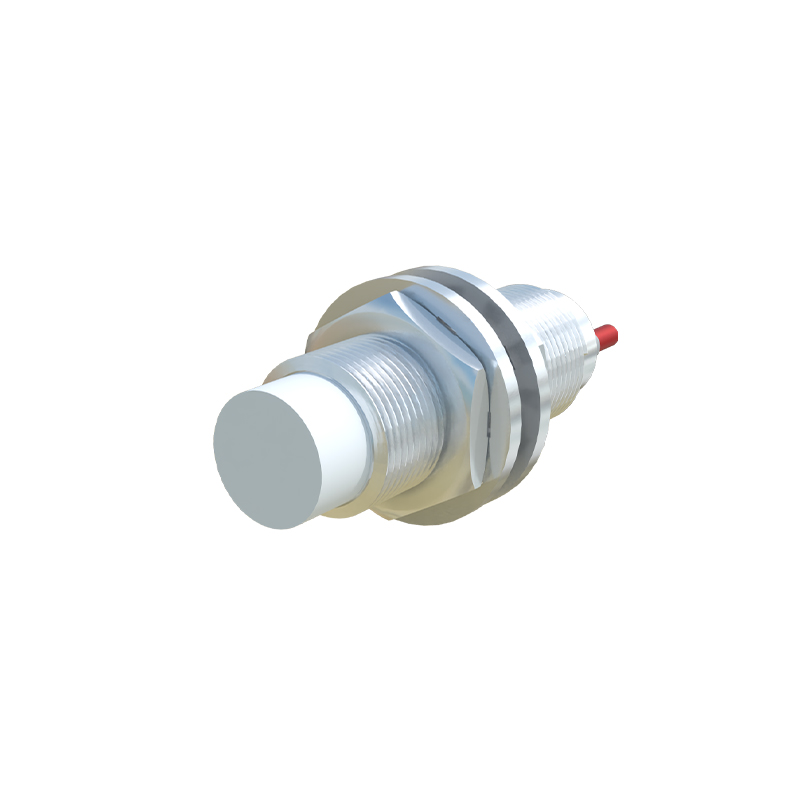
In the dynamic landscape of industrial automation, proximity photoelectric sensors stand as critical components for non-contact detection, object counting, and precise positioning. Selecting the right supplier for these sensors is not merely a procurement task; it is a strategic decision impacting production line reliability, efficiency, and long-term operational costs. This guide delves into the key considerations for evaluating proximity photoelectric sensor suppliers, offering insights tailored for electrical engineers and procurement specialists.
The core technology of a photoelectric sensor involves emitting a light beam (typically LED-based infrared, red, or laser) and detecting its reflection or interruption. Proximity variants are designed for short-range detection with a focused beam, offering high precision. When assessing suppliers, technical specifications form the primary evaluation matrix. Critical parameters include sensing distance, response time, light source type, and environmental ratings (IP67, IP69K for washdown environments). A reputable supplier provides comprehensive, verifiable data sheets and application notes. Furthermore, the ability to offer a diverse product portfolio—including diffuse, retro-reflective, and through-beam models—indicates a supplier's depth and capability to address varied application challenges, from detecting transparent glass bottles to identifying small components on high-speed conveyors.
Beyond the product itself, the supplier's technical support and engineering expertise are paramount. The best suppliers act as solution partners. They employ application engineers who can assist with sensor selection, installation guidance, and troubleshooting complex interference issues caused by ambient light, background surfaces, or harsh environmental conditions like dust, steam, or temperature extremes. Evaluate a supplier's support channels: Do they offer detailed CAD models for easy integration? Is their technical documentation clear and accessible? Prompt and knowledgeable support can prevent costly downtime and streamline the integration process.
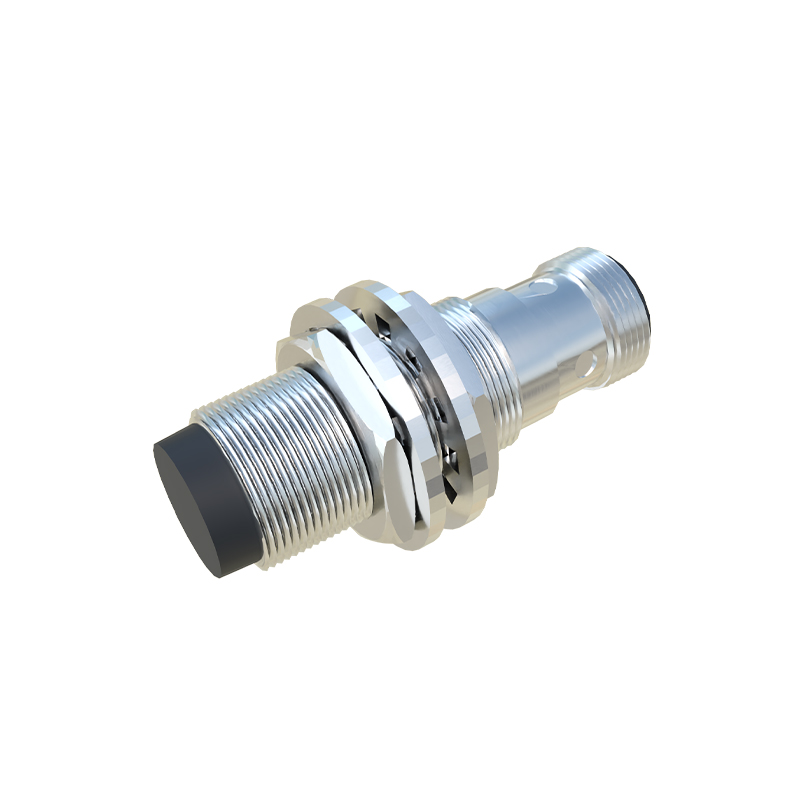
Supply chain resilience and customization capabilities have become increasingly crucial. A reliable supplier demonstrates robust manufacturing processes and a stable supply chain to ensure consistent quality and timely delivery, mitigating production line stoppages. For specialized applications, some suppliers offer customization options such as specific housing materials, connector types, or unique sensing characteristics. While standard products suit most needs, the availability of custom solutions signals advanced engineering prowess and a commitment to solving unique customer problems.
Cost considerations must extend beyond the initial unit price. Total Cost of Ownership (TCO) encompasses factors like sensor longevity, mean time between failures (MTBF), compatibility with existing systems, and ease of maintenance. A sensor with a slightly higher upfront cost but superior durability and reliability often proves more economical over its lifecycle by reducing replacement frequency and maintenance labor. Leading suppliers often provide tools for lifecycle analysis and can articulate the value proposition of their products in terms of operational efficiency gains and risk reduction.
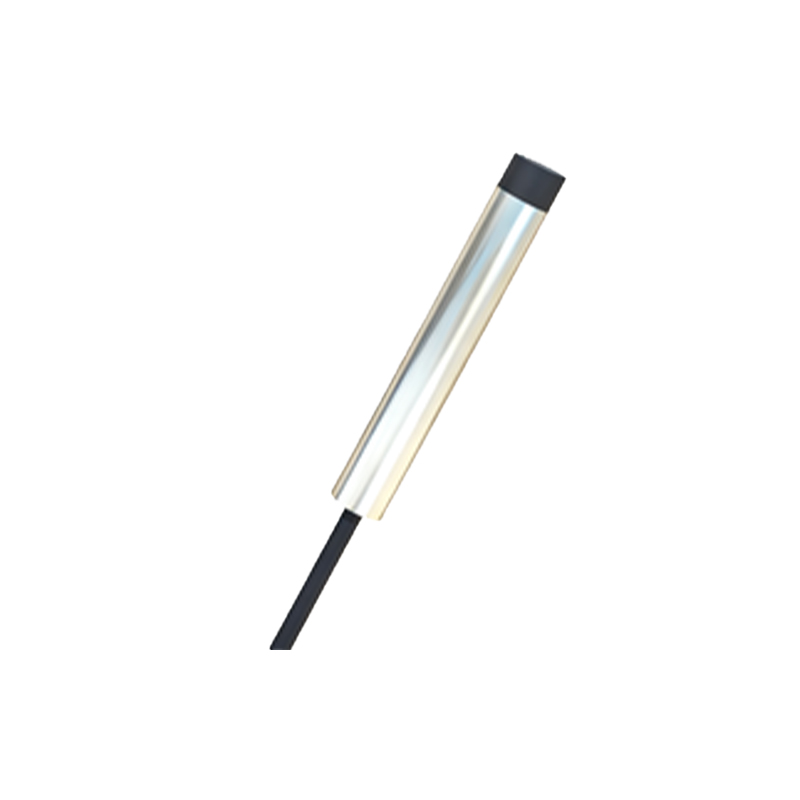
Finally, consider the supplier's industry reputation and digital tools. Long-standing presence in the automation sector, certifications (e.g., ISO standards), and case studies from similar industries serve as strong validation. Many top-tier suppliers now offer sophisticated online selection tools, configuration software, and simulation apps that empower engineers to model sensor performance before purchase, enhancing design accuracy and speed.
In conclusion, selecting a proximity photoelectric sensor supplier requires a holistic analysis balancing technical performance, partnership quality, supply chain assurance, and long-term value. Engaging with suppliers who demonstrate excellence across these dimensions is essential for building resilient, efficient, and future-ready automated systems. The ideal supplier is not just a vendor but a knowledgeable ally in optimizing your sensing applications.