Laser sensors have become indispensable components in modern electrical engineering, offering unparalleled precision and reliability across various applications. These devices operate by emitting a focused beam of light to detect, measure, or monitor objects with exceptional accuracy. One of the most prominent characteristics of laser sensors is their high resolution, which allows for the detection of minute changes in position, distance, or thickness. This makes them ideal for quality control in manufacturing, where even the slightest deviation can impact product integrity. Additionally, laser sensors exhibit excellent repeatability, ensuring consistent performance over time without significant drift, a critical factor in automated systems where uniformity is paramount.
Another key feature is their non-contact nature, which eliminates physical wear and tear on both the sensor and the target object. This not only extends the lifespan of equipment but also enables measurements in environments where contact is impractical or hazardous, such as in high-temperature or corrosive settings. Laser sensors are also known for their fast response times, capable of capturing data at high speeds, which is essential in dynamic processes like robotics or conveyor belt operations. Their ability to operate over long ranges further enhances versatility, allowing for flexible installation in large-scale industrial setups.
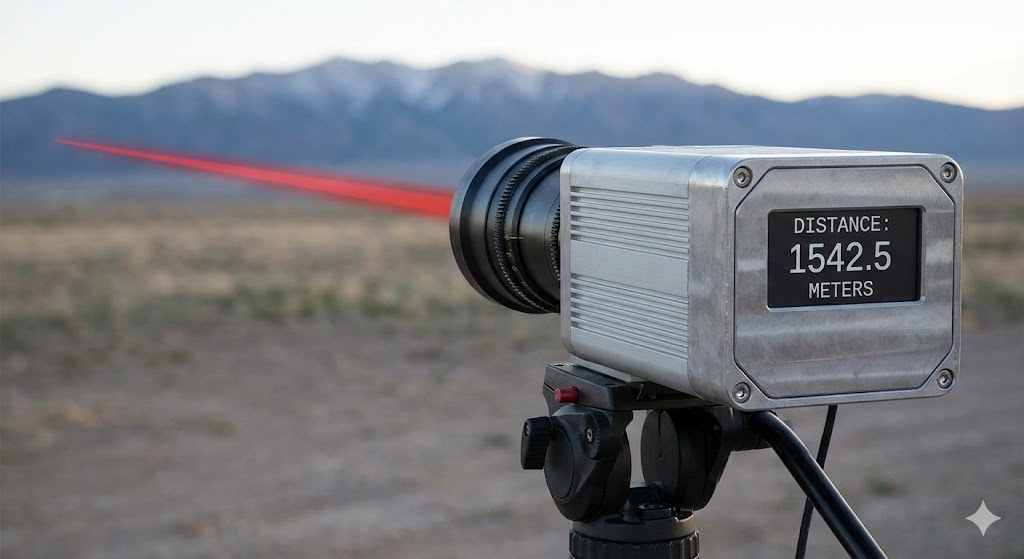
Moreover, laser sensors are highly adaptable due to their compatibility with various materials and surfaces. Whether detecting transparent, reflective, or dark objects, advanced models can be calibrated to minimize interference from ambient light or environmental factors. This adaptability is complemented by robust construction, often featuring IP-rated enclosures that protect against dust, moisture, and vibrations, ensuring reliable operation in harsh conditions. Integration with digital interfaces, such as Ethernet or PLC systems, facilitates seamless data communication, enabling real-time monitoring and control in smart factories.
In summary, the characteristics of laser sensors—including high precision, non-contact operation, speed, and durability—make them vital tools in advancing electrical engineering applications. As technology evolves, ongoing innovations in laser sensing continue to push the boundaries of efficiency and automation.
