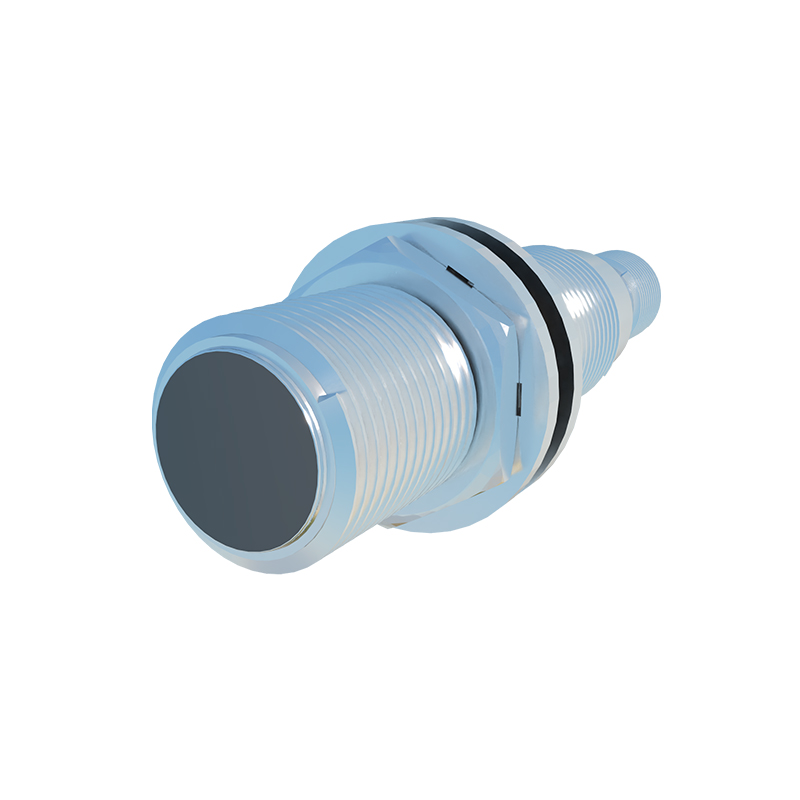
In the realm of industrial automation, proximity switch sensors play a pivotal role in enabling non-contact detection of objects, ensuring efficiency, safety, and precision in various applications. Sanming, as a notable hub in the electrical and sensor manufacturing sector, has developed a robust production ecosystem for these critical components. This article delves into the technical aspects of producing proximity switch sensors in Sanming, highlighting the processes, quality standards, and innovations that define this industry.
The production of proximity switch sensors in Sanming begins with meticulous design and engineering. Engineers utilize advanced CAD software to model sensor components, focusing on factors such as sensing range, response time, and environmental durability. These designs often incorporate inductive, capacitive, or magnetic principles, depending on the target application—whether for metal detection, liquid level sensing, or position control in machinery. The design phase emphasizes customization, allowing sensors to meet specific client requirements in industries like automotive manufacturing, packaging, and robotics.
Once designs are finalized, the manufacturing process commences with the sourcing of high-quality raw materials. Sanming producers prioritize materials such as stainless steel for housings, copper for coils, and semiconductor elements for integrated circuits. These materials undergo rigorous testing for conductivity, thermal resistance, and corrosion protection to ensure longevity in harsh industrial environments. The assembly line integrates automated machinery for precision tasks, including coil winding, circuit board soldering, and encapsulation. Automated optical inspection (AOI) systems are employed to detect defects early, minimizing waste and enhancing consistency.
A key strength of Sanming's production lies in its adherence to international quality standards. Factories implement ISO 9001 and IEC 60947-5-2 protocols, which govern the performance and safety of proximity sensors. Each sensor undergoes calibration and testing phases, where parameters like switching frequency, operating voltage, and temperature tolerance are verified. Environmental simulation tests—exposing sensors to extremes of humidity, vibration, and electromagnetic interference—ensure reliability in real-world conditions. This rigorous quality control has positioned Sanming as a trusted supplier in global markets, with exports to Europe, North America, and Asia.
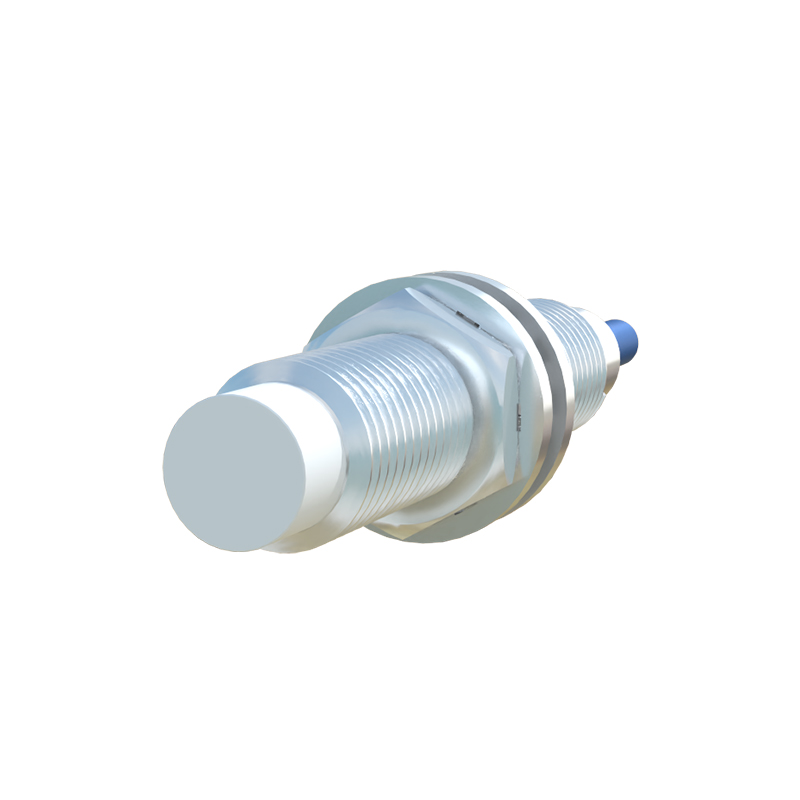
Innovation is another cornerstone of Sanming's sensor production. Recent advancements include the integration of IoT capabilities, enabling sensors to transmit data wirelessly for predictive maintenance and smart factory applications. Manufacturers are also developing energy-efficient models with low power consumption, aligning with global sustainability trends. Collaboration with research institutions in Sanming fosters continuous improvement, such as enhancing sensor sensitivity for micro-detection tasks or reducing size for compact installations.
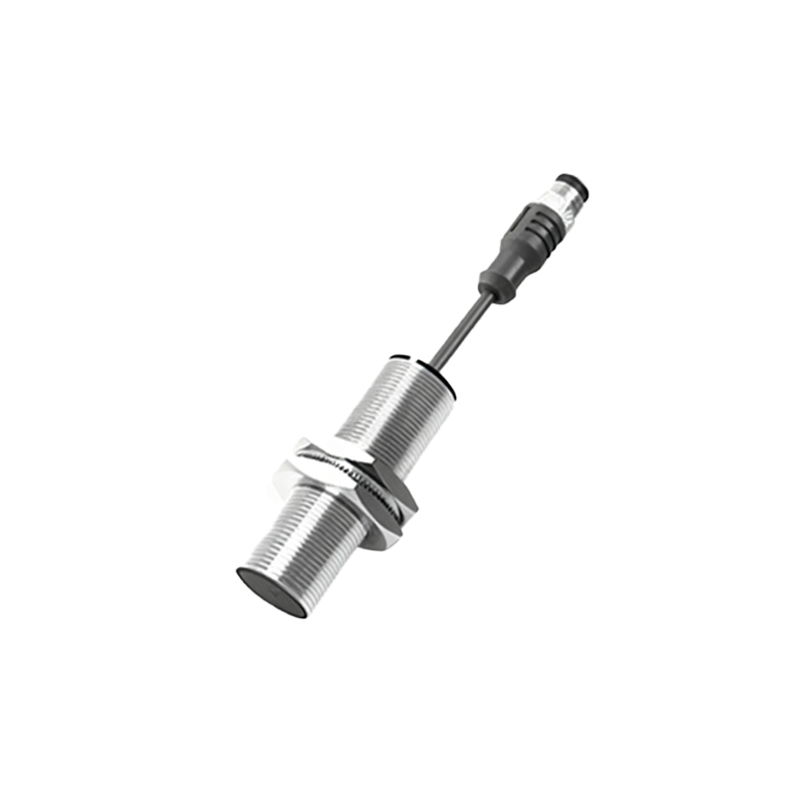
The production ecosystem in Sanming benefits from a skilled workforce and supportive infrastructure. Technical training programs ensure that engineers and technicians stay abreast of emerging technologies like Industry 4.0 and AI-driven automation. Local supply chains for electronic components and logistics networks facilitate efficient production cycles, reducing lead times for clients. Moreover, Sanming's focus on eco-friendly practices—such as recycling waste materials and using lead-free solders—reflects a commitment to environmental responsibility.
In conclusion, the production of proximity switch sensors in Sanming exemplifies a blend of precision engineering, quality assurance, and innovation. By leveraging advanced manufacturing techniques and stringent standards, Sanming contributes significantly to the global automation industry. As demand for smart sensors grows, Sanming's producers are poised to adapt, driving future developments in non-contact sensing technology. For industries seeking reliable and high-performance sensors, Sanming remains a key destination, offering solutions that enhance operational efficiency and technological advancement.