In the demanding environments of modern manufacturing and material handling, the integrity of machinery and the quality of production processes are paramount. Among the myriad of components safeguarding these operations, anti-chip proximity sensors have emerged as critical, yet often understated, guardians. These specialized sensors are engineered to detect the presence or absence of objects without physical contact, but their defining characteristic is a robust design that specifically protects against the ingress of metallic chips, swarf, and fine particulate matter—common byproducts of machining, cutting, and grinding processes.
Traditional inductive proximity sensors are highly effective for detecting metallic objects. However, in environments like CNC machining centers, metal stamping lines, or automated foundries, the air can be saturated with conductive debris. Standard sensor housings and sensing faces can become compromised when this debris accumulates. It can cause false triggering, mask the true target, or even lead to physical damage and sensor failure. This is where anti-chip proximity sensors differentiate themselves. They incorporate several key design features. The sensing face is typically made of a wear-resistant, non-stick material such as specialized ceramics or polymers with a very smooth surface finish. This prevents metallic chips from adhering or welding to the face. Furthermore, the housing is meticulously sealed, often achieving IP67, IP68, or IP69K ratings, ensuring that not only chips but also coolants, oils, and washdown fluids cannot penetrate the internal electronics.
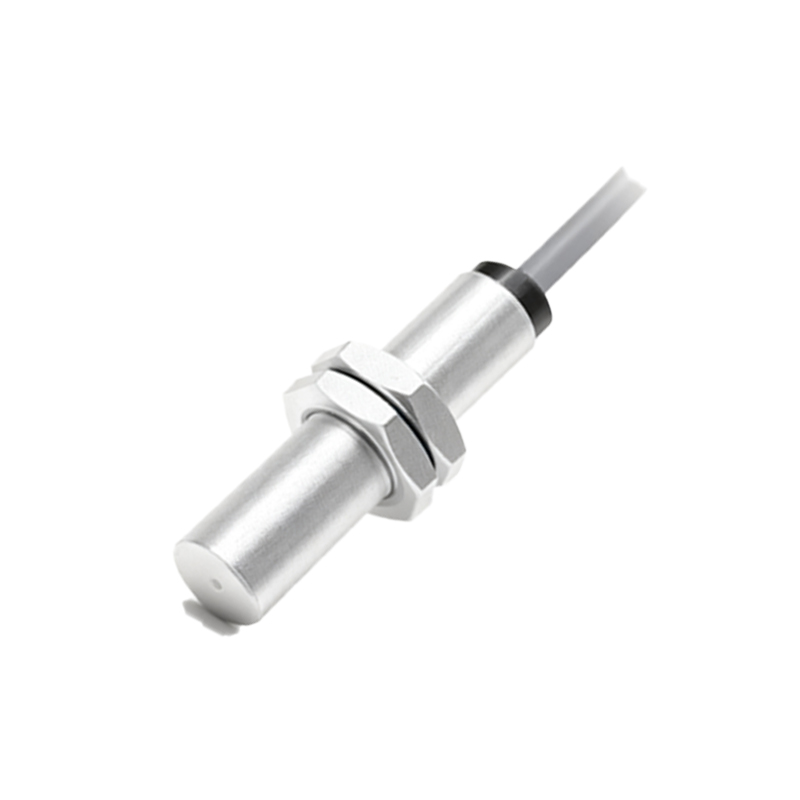
The operational principle remains based on electromagnetic induction. The sensor generates an oscillating electromagnetic field from its coil. When a metallic target enters this field, eddy currents are induced in the target, causing a change in the oscillation amplitude. This change is detected by the sensor's circuitry, which then switches its output state. The anti-chip design does not alter this fundamental physics; rather, it ensures the field generation and detection components are impeccably shielded from external conductive contaminants that could distort the field or create parasitic signals. Advanced models may also feature enhanced immunity to electromagnetic interference (EMI) from nearby motors or welders, a common companion to chip-producing machinery.
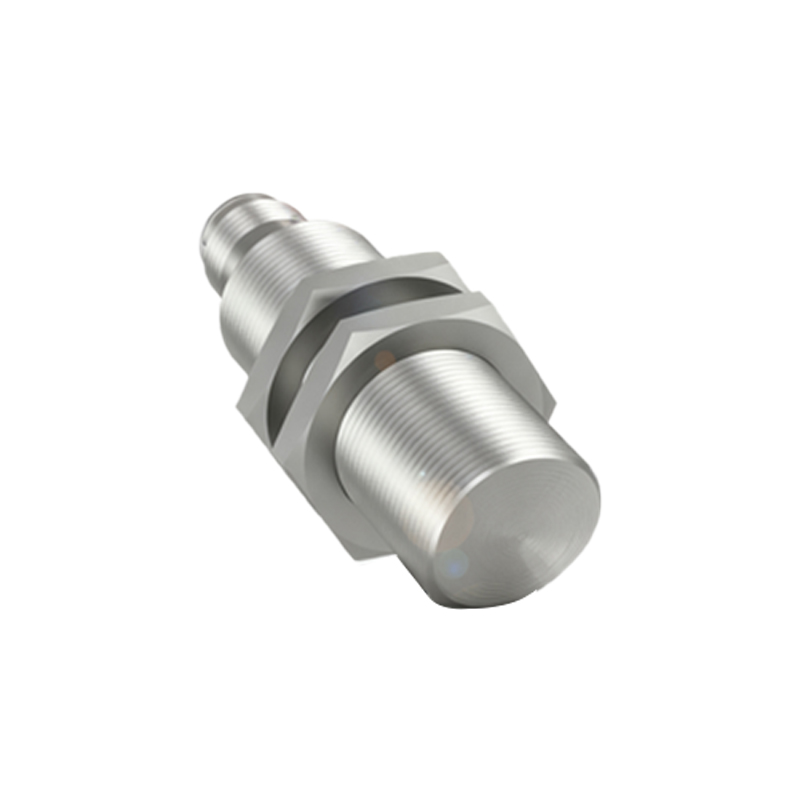
The applications for these rugged sensors are extensive and vital. On a robotic welding cell, they reliably detect the position of a metal workpiece, ensuring the robot arm executes its weld path accurately, unaffected by the constant shower of welding spatter. In automated screw machining or turning centers, they monitor the presence of raw stock or finished parts on conveyors, preventing jams and production halts. Within stamping presses, they confirm the ejection of a stamped part before the next cycle begins, a crucial safety and quality check. Their reliability directly translates to increased machine uptime, reduced maintenance costs, and higher overall equipment effectiveness (OEE).
Selecting the right anti-chip proximity sensor requires careful consideration of several factors. The sensing distance, or range, must be appropriate for the application, often with a derating factor applied for non-ferrous metals. The housing material—typically stainless steel or nickel-plated brass—must withstand the chemical and physical abuse of the environment. The electrical output type (e.g., NPN, PNP, analog, or IO-Link) must be compatible with the control system. Perhaps most importantly, the physical form factor, such as cylindrical barrels or rectangular blocks, must be chosen to minimize areas where chips could accumulate, ensuring a self-cleaning effect during operation.
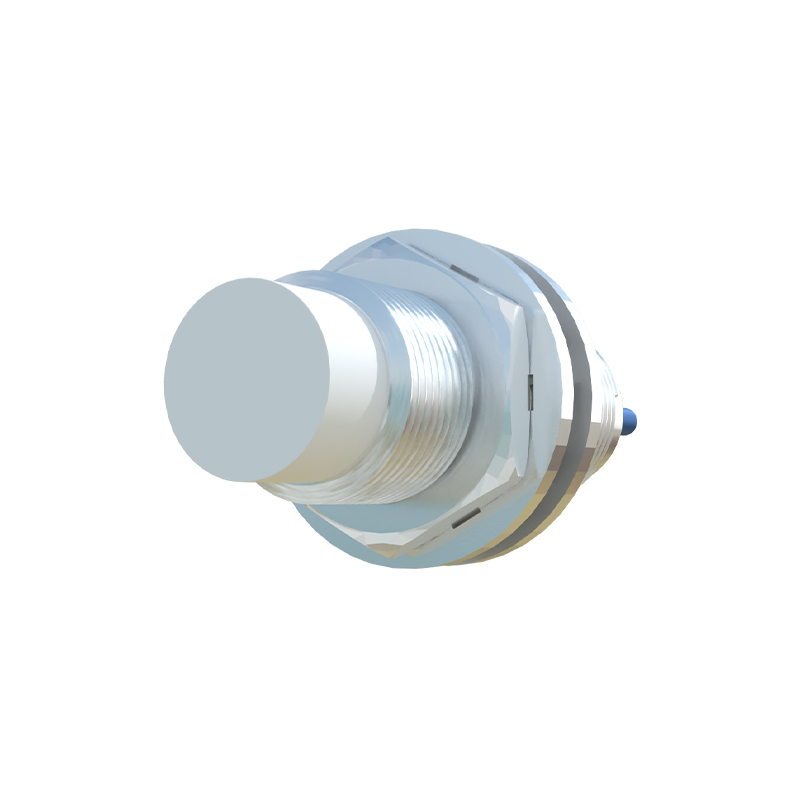
In conclusion, anti-chip proximity sensors represent a sophisticated evolution of a fundamental industrial component. They are not merely sensors with better seals; they are purpose-built solutions for the harshest industrial environments where failure is not an option. By providing unwavering reliability in the presence of conductive contaminants, they form an invisible yet essential layer of protection, enabling the seamless, high-precision, and continuous operation that defines modern industrial automation. Their role, though operating quietly in the background, is indispensable for achieving the productivity, safety, and quality standards demanded by today's competitive manufacturing landscape.