In industrial automation and control systems, proximity sensors are indispensable components for non-contact detection of metallic or non-metallic objects. A common question that arises during system design, maintenance, or component replacement is whether a sensor rated for a specific voltage, such as 36V, can be safely and reliably operated on a lower voltage, like 24V. This article delves into the technical aspects of this query, examining the principles of operation, potential consequences, and practical considerations.
Fundamentally, most modern inductive or capacitive proximity sensors are designed with internal voltage regulation circuitry. They are often specified with a wide operating voltage range, for example, 10-36V DC or 20-250V AC. The first and most critical step is to consult the sensor's datasheet or nameplate. If the manufacturer specifies an operating range of "10-36V DC," then powering the sensor with 24V DC is perfectly acceptable, as it falls within the designated window. The sensor's internal regulator will adjust to the supplied voltage, ensuring stable operation of the oscillator, amplifier, and output switching circuitry.
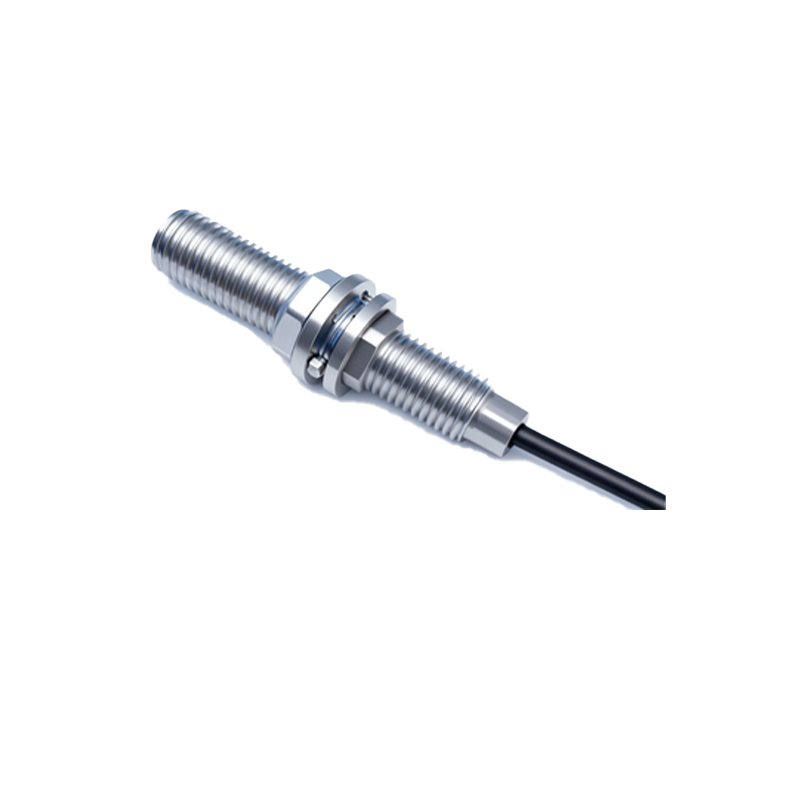
However, if the sensor is explicitly rated for "36V DC" only, with no lower range specified, applying 24V poses significant risks. The core issue is under-voltage operation. The internal components, particularly the voltage regulator and the output stage (transistor), require a minimum voltage to function correctly. At 24V, this threshold might not be met, leading to several failure modes:
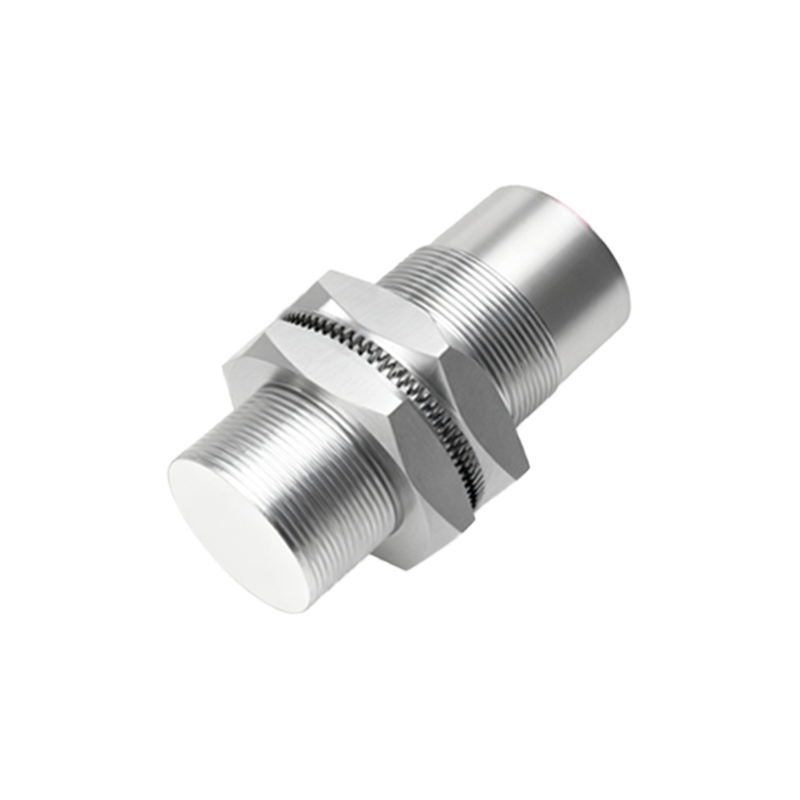
1. Non-Operation or Intermittent Detection: The sensor may fail to power on entirely or may operate erratically. The oscillator circuit might not generate a sufficient electromagnetic field (for inductive types), drastically reducing the sensing distance or causing complete failure to detect targets.
2. Weak Output Signal: Even if the sensing element triggers, the output switching element (e.g., an NPN or PNP transistor) may not saturate fully. This results in a "weak" output signal—a voltage drop across the output terminals that is lower than the specified "On-state" voltage. Programmable Logic Controllers (PLCs) or other receiving devices may not reliably recognize this as a logical HIGH or ON state, causing intermittent faults in the control logic.
3. Increased Internal Heating: Linear voltage regulators, if used, may operate outside their optimal efficiency range when the input voltage is too close to the minimum required output voltage. This can lead to excessive power dissipation as heat, potentially shortening the sensor's lifespan.
4. Output State Locking: In some circuit designs, under-voltage might cause the output to remain in an indefinite state—neither fully ON nor OFF—which can be hazardous for machine control.
From a practical engineering standpoint, forcing a 36V-only sensor to run on 24V is not recommended. It compromises system reliability, a paramount concern in industrial settings. The cost of downtime and troubleshooting far outweighs the price of a correctly specified sensor.
What are the alternatives?
Use a DC-DC Converter: A reliable solution is to install a 24V-to-36V DC-DC converter (step-up converter) in the power line to the sensor. This ensures the sensor receives its nominal voltage. Ensure the converter can handle the sensor's inrush and operating current.
Replace the Sensor: The most straightforward solution is to replace the 36V sensor with a model explicitly rated for the 24V supply available. Ensure the sensing type (inductive/capacitive), output type (PNP/NPN, NO/NC), size, and sensing distance match the application requirements.
Verify System Voltage: Double-check if a 36V power rail is available elsewhere in the cabinet. Sometimes, different voltage levels are present for different subsystems.
Key Parameters to Check:
Always verify these specifications:
Operating Voltage Range (Ue): The absolute key parameter.
Switching Capacity / Load Current: Ensure compatibility with the load (e.g., PLC input).
Voltage Drop (Udrop): The voltage loss across the sensor when switched on. This value can become critically high under low supply voltage.
In conclusion, while some broadly rated 36V sensors can function on 24V, it is contingent upon their specified operating range. For sensors with a narrow, fixed voltage rating, operating them on a lower voltage is an unreliable practice that introduces point-of-failure risks. Adherence to manufacturer specifications is not merely a guideline but a fundamental principle for ensuring robust, safe, and predictable performance in electrical control systems. Always prioritize datasheet compliance and system integrity over assumed compatibility.