Waterproof square proximity sensors are essential components in modern industrial automation, designed to detect the presence or absence of objects without physical contact. These sensors are housed in a robust, square-shaped enclosure, typically constructed from materials like stainless steel, PBT plastic, or nickel-plated brass, providing enhanced durability and resistance to environmental challenges. The defining feature of these sensors is their ingress protection rating, commonly IP67, IP68, or IP69K, which signifies a high degree of protection against dust ingress and water immersion, even under high-pressure or temporary submersion conditions. This makes them indispensable in harsh operating environments such as food and beverage processing, automotive manufacturing, material handling, and outdoor machinery, where exposure to water, coolants, oils, and dust is frequent.
Operating primarily on inductive, capacitive, or magnetic principles, waterproof square proximity sensors generate an electromagnetic field or electrostatic field. When a target object enters this field, it causes a change in oscillation or capacitance, which the sensor's internal circuitry detects and converts into an electrical output signal. Inductive sensors are most common, used for detecting metallic objects, while capacitive variants can sense both metallic and non-metallic materials like liquids, plastics, or wood. The square form factor offers practical advantages, including easier installation and mounting in confined spaces, better stability on flat surfaces, and the ability to integrate multiple sensing faces in some advanced models.

Key technical specifications to consider include sensing range, which varies from a few millimeters to several tens of millimeters; output type (typically NPN or PNP transistor outputs, or analog variants); supply voltage (commonly 10-30V DC); and response frequency. The waterproof sealing is achieved through specialized gaskets, epoxy resin potting, and laser-welded seams, ensuring long-term reliability. When selecting a sensor, engineers must evaluate the specific environmental conditions, the nature of the target material, required sensing distance, electrical interface compatibility with PLCs or controllers, and necessary certifications (e.g., UL, CE, ATEX for hazardous areas).

Proper installation is critical for optimal performance. Mounting should avoid metal-to-metal contact in the sensing area for inductive types, and sufficient clearance around the sensor is needed to prevent false triggers. Regular maintenance, though minimal, involves checking for physical damage, cleaning the sensing face of debris, and verifying seal integrity. Common challenges like reduced sensing range due to coating buildup or electrical interference can be mitigated by selecting appropriate models with temperature compensation and shielded designs.
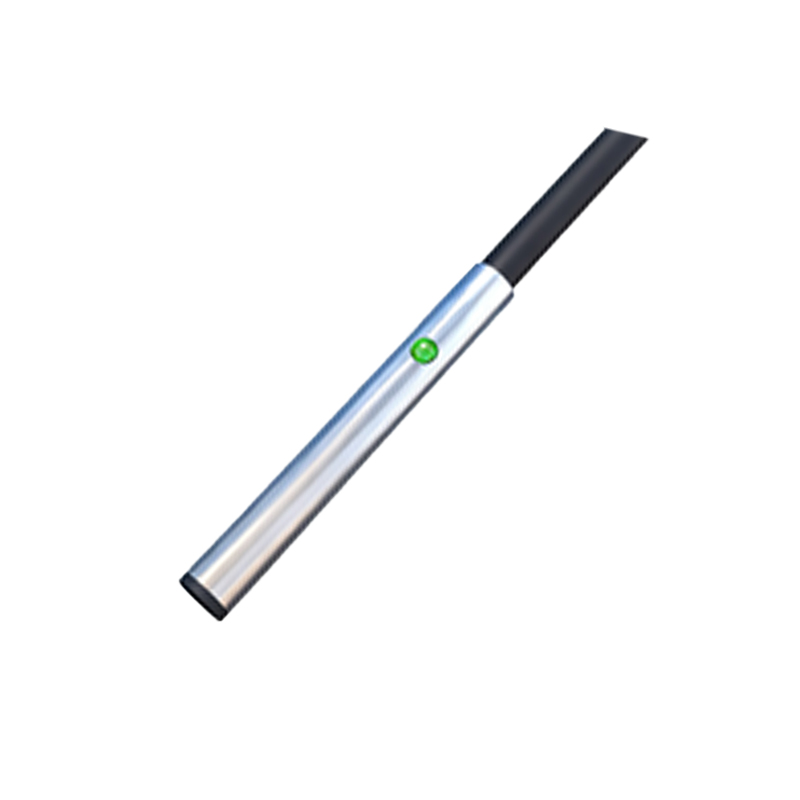
The evolution of Industry 4.0 and smart manufacturing has further propelled the adoption of these sensors. Modern waterproof square proximity sensors often feature IO-Link communication, enabling digital parameter setting, real-time diagnostics, and predictive maintenance data integration into industrial networks. This digital capability enhances system flexibility and reduces downtime. In summary, the waterproof square proximity sensor is a versatile, resilient workhorse in industrial sensing, combining robust physical protection with reliable non-contact detection to ensure continuous, efficient, and safe automation processes across diverse sectors. Its design thoughtfully addresses the practical demands of challenging applications, making it a cornerstone of reliable machine automation.