In the realm of modern waste management, refuse compaction vehicles stand as critical assets, ensuring efficient collection and transport of municipal solid waste. Central to their operational efficacy and safety are proximity sensors—advanced electronic devices that have revolutionized how these vehicles function. This article delves into the role, types, and benefits of proximity sensors in compaction trucks, highlighting their impact on industry standards.
Proximity sensors in refuse vehicles primarily serve to detect the presence or absence of objects without physical contact. They are strategically installed in key areas, such as near the compaction chamber, tailgate, and hopper. By emitting electromagnetic fields or beams, these sensors monitor the position of waste, components, and personnel, enabling automated control systems to optimize compaction cycles and prevent accidents. For instance, during loading, sensors ensure the hopper is correctly aligned and full, triggering the compaction mechanism only when safe conditions are met. This reduces manual intervention and minimizes the risk of jams or overflows.
Several types of proximity sensors are employed, each suited to specific environmental challenges. Inductive sensors are common for detecting metallic objects, like the truck's internal mechanisms, offering robustness against dust and moisture—a frequent issue in waste handling. Capacitive sensors, on the other hand, can sense non-metallic materials, such as plastic or organic waste, making them ideal for monitoring fill levels in bins. Ultrasonic sensors provide long-range detection, useful for assessing the distance of obstacles around the vehicle during maneuvering in tight urban spaces. These technologies collectively enhance precision, allowing for real-time adjustments that improve fuel efficiency and reduce wear on mechanical parts.
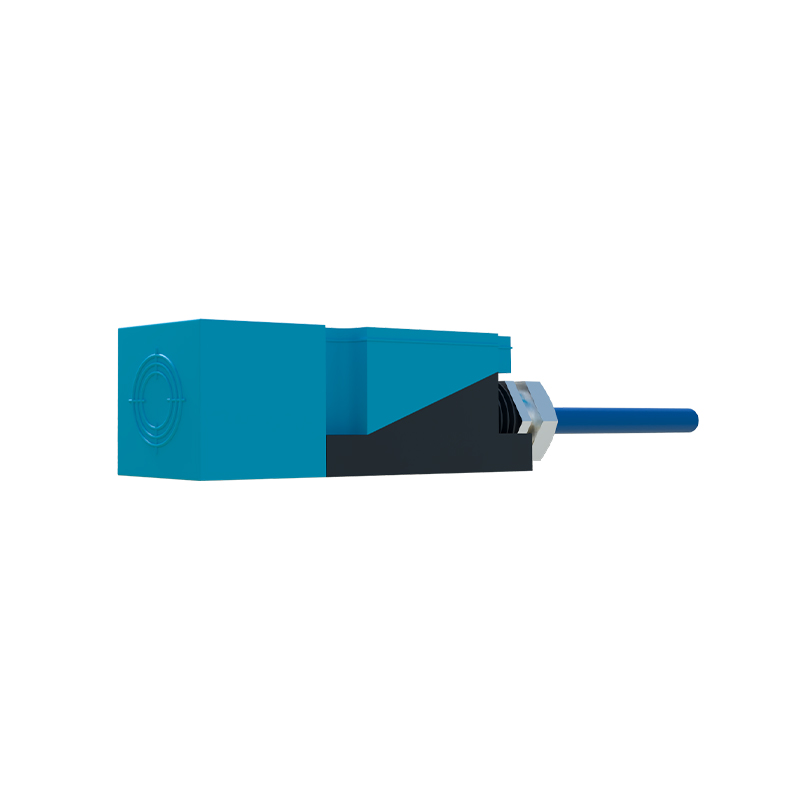
The integration of proximity sensors aligns with broader trends in smart waste management. By feeding data into onboard telematics systems, sensors enable predictive maintenance, alerting operators to potential failures before they cause downtime. For example, a sensor detecting abnormal vibrations in the compactor can signal the need for inspection, preventing costly repairs. Moreover, safety is paramount in this high-risk industry. Sensors act as a first line of defense, halting operations if a worker is too close to moving parts, thereby reducing injury rates. Regulatory bodies increasingly mandate such features, pushing manufacturers to adopt sensor-based solutions as standard.
Despite their advantages, challenges persist. Harsh operating conditions—extreme temperatures, corrosive substances, and constant vibrations—can degrade sensor performance over time. Regular calibration and ruggedized designs are essential to maintain reliability. Industry best practices involve using sealed, IP-rated sensors and conducting routine checks during vehicle servicing. As technology evolves, innovations like IoT-enabled sensors and machine learning algorithms promise even greater automation, potentially allowing for fully autonomous waste collection in the future.
In conclusion, proximity sensors are indispensable in modern refuse compaction vehicles, driving improvements in efficiency, safety, and sustainability. Their ability to provide accurate, contactless detection transforms waste operations, reducing environmental impact and operational costs. For fleet managers and engineers, investing in high-quality sensor systems is not just a technical upgrade but a strategic move toward smarter, safer waste management. As urban populations grow, leveraging such technology will be key to building resilient infrastructure.