In the intricate world of industrial automation, where precision, safety, and reliability are non-negotiable, slot proximity sensors stand as a cornerstone technology. Often referred to as through-beam or fork sensors, these devices are indispensable for a vast array of applications, from high-speed packaging lines to complex robotic assembly cells. Their fundamental purpose is to detect the presence, absence, or position of an object without any physical contact, leveraging a simple yet highly effective principle.
A slot proximity sensor consists of two main components housed in a single U-shaped or fork-like body: an emitter on one side and a receiver on the other. The emitter continuously transmits a beam of light—typically infrared or laser—across the gap or "slot" to the receiver. When an object passes through this slot, it interrupts the light beam. The receiver detects this interruption and triggers an electrical signal change in the sensor's output circuit. This binary signal—object present or object absent—is then communicated to a programmable logic controller (PLC) or other control system to initiate a subsequent action.
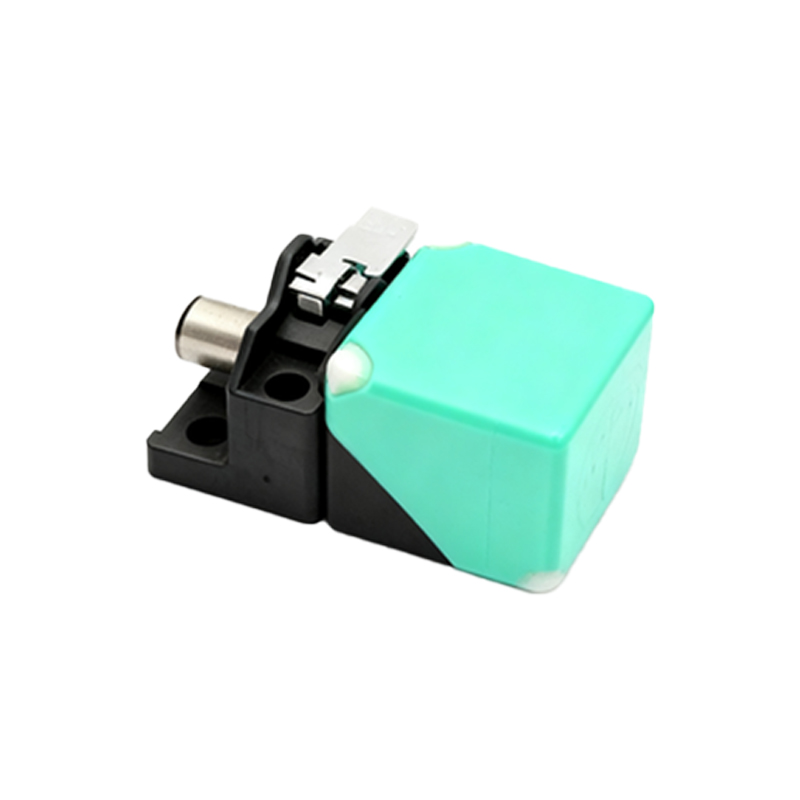
The utility of these sensors is immense and multifaceted. One of their primary uses is Precise Object Detection and Counting. In manufacturing and packaging, they are deployed to count items on conveyor belts with extreme accuracy, ensuring correct batch sizes and inventory management. Whether detecting small electronic components, bottles, or boxes, their non-contact nature prevents damage to both the product and the sensor.
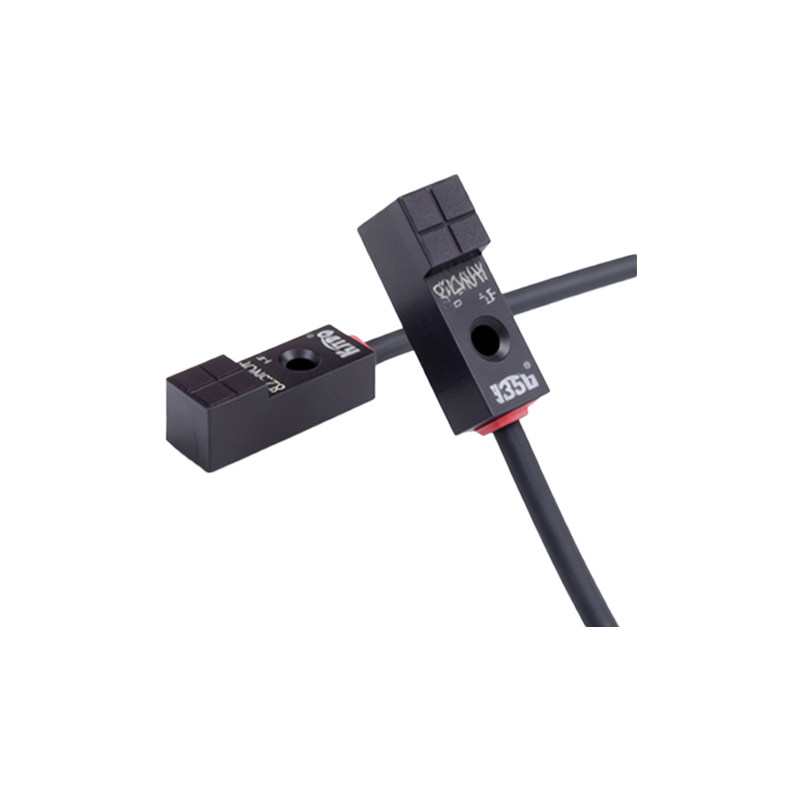
Another critical application is Position Verification and Sequencing. In automated machinery, it is vital to confirm that a part is in the correct position before a subsequent operation, such as drilling, welding, or stamping. A slot sensor can verify the presence of a workpiece in a fixture, preventing costly machine crashes or production of defective parts. They are also essential in sequencing operations, ensuring that one step is complete before the next begins, thereby maintaining the integrity of the automated process.
Safety and Guarding represent a paramount use case. Slot sensors are integral to safety light curtains and area guarding systems. They create an invisible protective screen around hazardous areas of machinery. If a worker's hand or any object breaches this screen, the beam interruption sends an immediate signal to halt the machine, preventing potential injuries. This non-contact safety solution is far superior to physical guards that can be bypassed and is a key component in compliance with international safety standards like ISO 13849.
Furthermore, these sensors excel in Edge Detection and Web Break Monitoring. In industries dealing with continuous materials like paper, plastic film, or textiles (webs), slot sensors monitor the material's edge for guiding systems or detect a break or tear. An unexpected break that interrupts the beam can trigger an immediate machine stop, minimizing material waste and downtime.
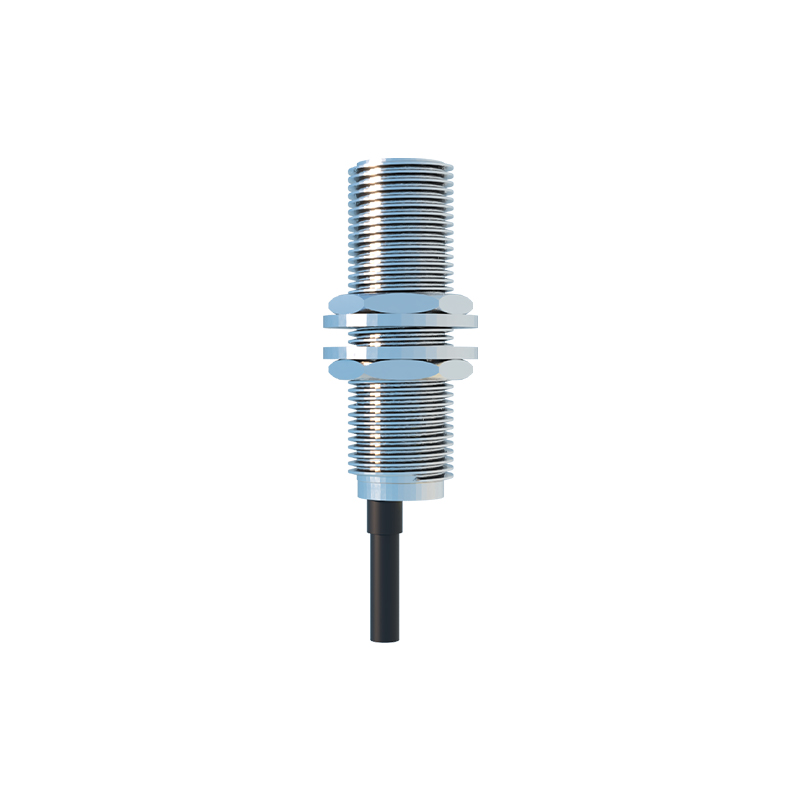
The advantages of using slot proximity sensors are compelling. Their non-contact operation eliminates mechanical wear and tear, leading to exceptionally long service life and reduced maintenance. They offer high-speed response, capable of detecting objects moving at very high velocities, which is crucial for modern high-throughput production lines. Their design provides environmental robustness; many models are sealed to withstand dust, dirt, moisture, and even washdowns, making them suitable for harsh industrial and food-processing environments. Finally, their simplicity and reliability make them easy to integrate and a trusted component in critical control loops.
When selecting a slot sensor, engineers must consider several factors: the slot width and depth to accommodate the target object, the sensing beam type (diffuse, retro-reflective, or through-beam, with the latter being the standard for slot sensors), output type (PNP/NPN, analog, or IO-Link for digital communication), and environmental ratings (IP67, IP69K, etc.). Modern advancements include models with background suppression, precise sensing windows, and smart diagnostics that communicate health status directly to the control system.
In conclusion, the slot proximity sensor is far more than a simple on/off switch. It is a fundamental enabler of automation, providing the essential "eyes" for machines. Its ability to deliver reliable, contactless detection underpins efficiency, quality control, and most importantly, workplace safety. As industries continue to evolve towards smarter, more interconnected systems (Industry 4.0), the role of these robust and versatile sensors will only grow, ensuring they remain a vital tool in the electrical engineer's arsenal for building the automated factories of today and tomorrow.