Proximity sensors have become indispensable components in modern industrial automation, offering a range of benefits that enhance efficiency, safety, and reliability. These non-contact detection devices are designed to sense the presence or absence of objects without physical contact, making them ideal for demanding environments. One of the primary advantages is their exceptional durability. Since there is no mechanical contact between the sensor and the target object, wear and tear are significantly reduced. This leads to a longer operational lifespan and lower maintenance costs compared to traditional mechanical limit switches. In harsh industrial settings where dust, moisture, or corrosive substances are present, many proximity sensors are built with robust housings and sealed to international protection standards, ensuring consistent performance.
Another significant benefit is the high-speed response capability. Proximity sensors can detect objects at very fast rates, often in microseconds, which is crucial for high-speed production lines, packaging machinery, and automated assembly systems. This rapid detection allows for precise timing and control, minimizing delays and improving overall throughput. Furthermore, their ability to operate without physical contact eliminates issues like bounce or friction, providing stable and repeatable signals that contribute to process accuracy.
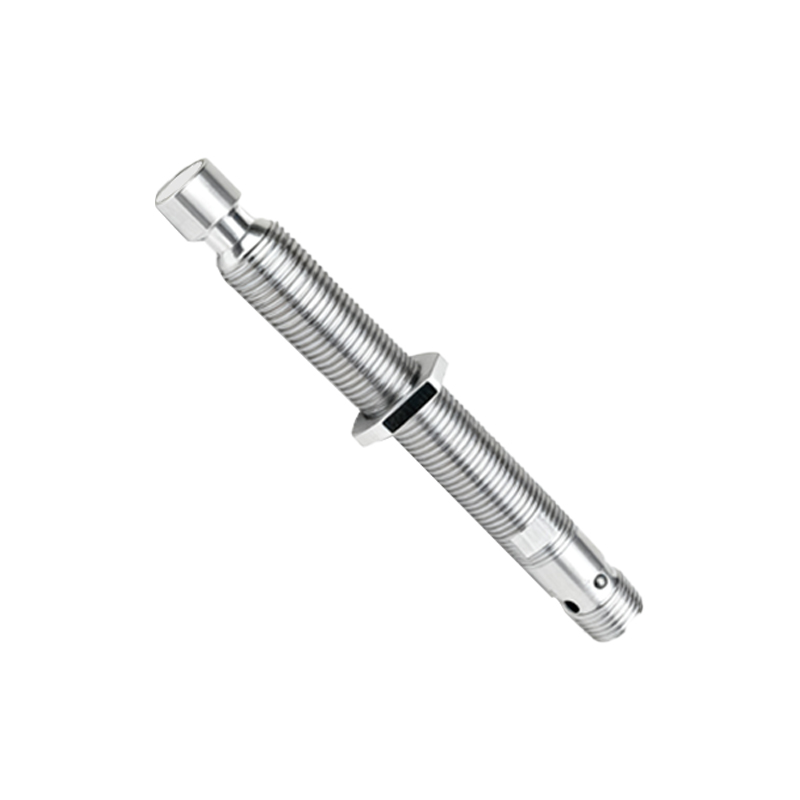
Versatility is also a key strength. These sensors are available in various types, including inductive, capacitive, and magnetic models, each suited for different materials and applications. Inductive sensors, for instance, are excellent for detecting metallic objects, while capacitive sensors can handle non-metallic materials like plastics, liquids, or granules. This flexibility allows engineers to select the optimal sensor for specific tasks, from position sensing and counting to level detection and safety interlocking. Additionally, many modern proximity sensors feature compact designs, enabling installation in tight spaces where other sensing methods might not be feasible.
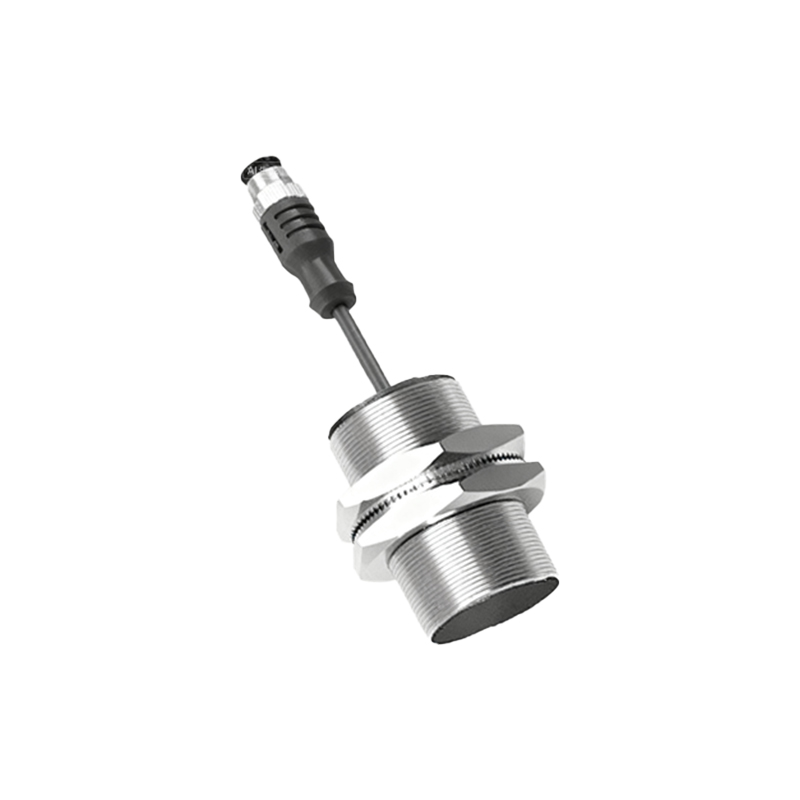
Energy efficiency and low power consumption are notable advantages, especially in battery-operated or energy-conscious systems. With advancements in technology, many sensors now incorporate energy-saving modes without compromising performance. Moreover, their solid-state construction enhances reliability by minimizing moving parts that could fail. This reliability translates to reduced downtime and increased productivity in industrial operations.
From a safety perspective, proximity sensors contribute to creating safer work environments. By enabling non-contact detection, they help prevent accidents in hazardous areas, such as near moving machinery or high-temperature zones. They are often integrated into safety systems to monitor guard positions or detect intrusions, ensuring compliance with industry safety standards.
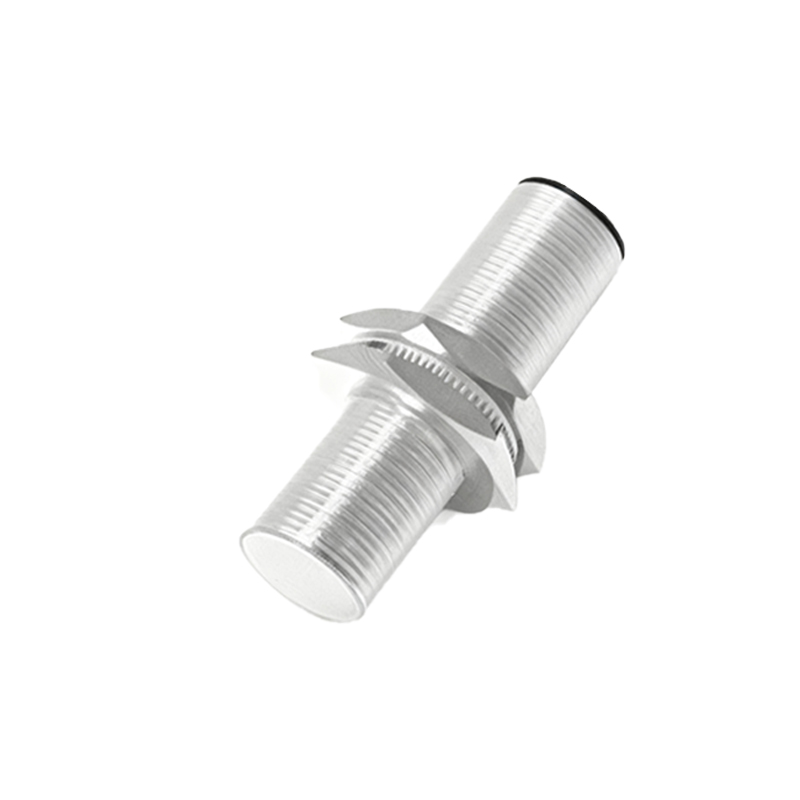
In summary, the advantages of proximity sensors—including durability, high-speed response, versatility, energy efficiency, and enhanced safety—make them vital tools in industrial automation. Their ability to perform reliably under challenging conditions while reducing maintenance needs underscores their value in optimizing modern manufacturing and processing systems.