In the dynamic landscape of industrial automation, the demand for sensors that offer unparalleled precision, reliability, and versatility continues to grow. Among the array of sensing technologies, capacitive proximity sensors have carved out a critical niche, particularly in applications requiring non-contact detection of both metallic and non-metallic objects. The MPR04 Proximity Capacitive Sensor stands as a premier example of this technology, embodying advanced engineering to meet the rigorous demands of modern manufacturing, packaging, and material handling systems.
At its core, the MPR04 operates on the fundamental principle of capacitive sensing. It generates an electrostatic field from its sensing face. When a target object enters this field, it causes a measurable change in the sensor's capacitance. This change is detected by the internal oscillator circuit, which then triggers a switching output. Unlike inductive sensors, which are limited to detecting metals, capacitive sensors like the MPR04 can detect a vast range of materials, including plastics, glass, wood, liquids, and granular substances. This makes them indispensable in industries where product composition varies.
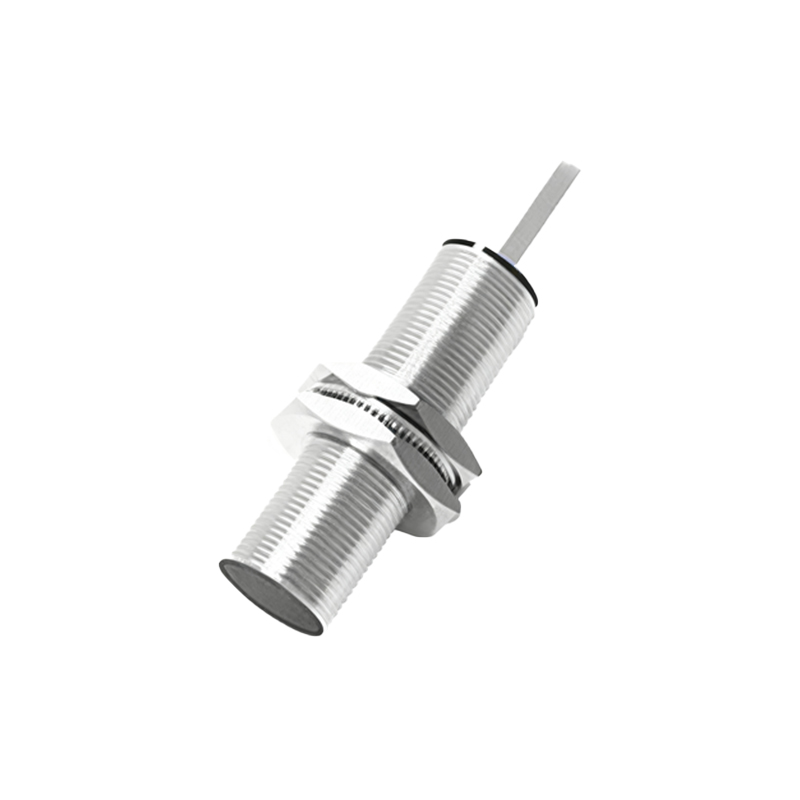
The design and construction of the MPR04 prioritize robustness and environmental resilience. Housed typically in a rugged, nickel-plated brass or stainless-steel casing, it offers high resistance to mechanical impact, vibration, and harsh industrial conditions. Many models feature IP67 or higher ingress protection ratings, ensuring reliable operation in the presence of dust, oils, and coolants. This durability translates directly into reduced downtime and lower maintenance costs, a key consideration for any production facility.

One of the defining features of the MPR04 series is its adjustable sensitivity. This is often achieved via a potentiometer located on the sensor body. This capability allows engineers to fine-tune the sensing range and compensate for different material properties or challenging environmental factors, such as the presence of contaminants on the sensor face or background interference. For instance, in a bottling plant, the sensitivity can be calibrated to reliably detect glass or plastic bottles on a conveyor, even with residual liquid or labels present.
The electrical characteristics of the MPR04 are engineered for seamless integration into diverse control systems. It is commonly available in both DC (10-30V DC) and AC variants, with PNP (sourcing) or NPN (sinking) output configurations to match PLC (Programmable Logic Controller) and other control unit requirements. The switching output is typically solid-state, ensuring a long operational life with a high cycle rate, free from the wear and tear associated with mechanical contacts. Many advanced models also incorporate short-circuit and reverse-polarity protection, safeguarding both the sensor and the broader control circuit from installation errors or electrical faults.
Application scenarios for the MPR04 are extensive. In packaging machinery, it is used for level detection of powders or granules in hoppers, ensuring consistent material feed. In automotive assembly lines, it verifies the presence of non-metallic components like rubber gaskets or plastic housings. In the food and beverage industry, it monitors liquid levels in transparent tanks or detects the presence of containers, regardless of their material. Furthermore, its ability to sense through certain non-metallic walls enables innovative designs for hygienic or sealed systems.
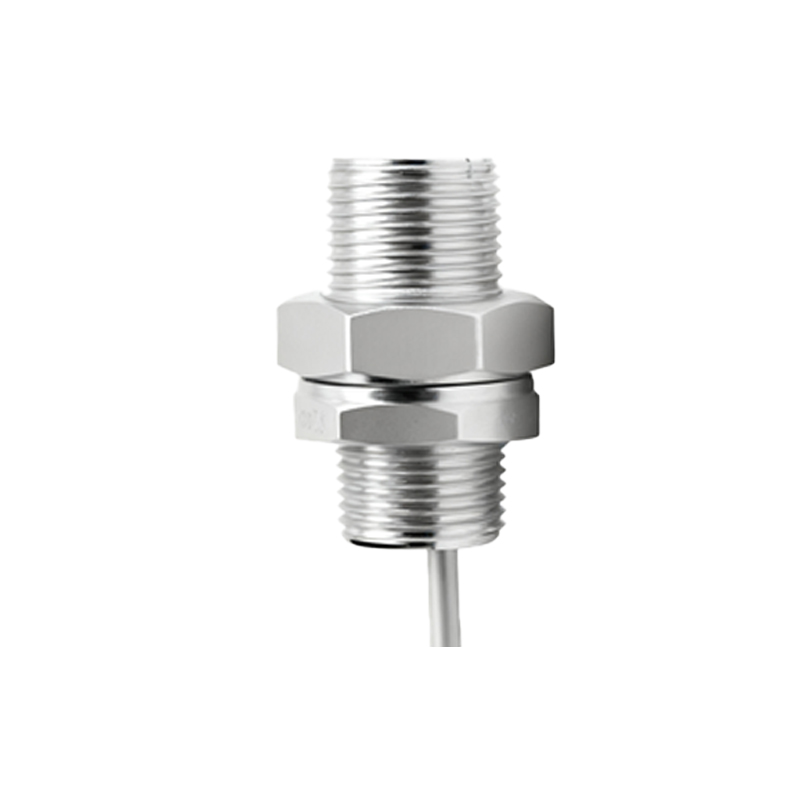
When selecting and installing an MPR04 sensor, several best practices ensure optimal performance. The sensing distance, as specified in the datasheet, is typically defined for a standard target (often a grounded metal plate). For non-metallic materials, the effective sensing range is reduced and must be empirically verified. Installers must also consider the sensor's flush-mount or non-flush-mount design. Flush-mounted sensors can be embedded in metal without influencing their field, while non-flush models offer a longer range but require a clear surrounding area. Proper grounding and shielding are crucial to minimize electromagnetic interference from nearby motors or frequency drives.
Looking ahead, the evolution of capacitive sensing continues. Future iterations of sensors like the MPR04 may integrate more advanced diagnostics, IO-Link communication for digital parameter setting and condition monitoring, and even smaller form factors for space-constrained applications. The drive towards Industry 4.0 and smart factories will further elevate the role of intelligent sensors that provide not just a binary signal, but valuable process data.
In conclusion, the MPR04 Proximity Capacitive Sensor represents a sophisticated and essential tool in the industrial engineer's arsenal. Its material-agnostic detection capability, combined with robust construction, adjustable sensitivity, and reliable electrical performance, solves complex sensing challenges across a multitude of sectors. By enabling precise, non-contact detection in demanding environments, it contributes significantly to enhancing automation efficiency, ensuring product quality, and optimizing overall operational reliability. For any application requiring consistent detection of diverse materials, the MPR04 stands as a proven and trusted solution.