In modern industrial processes, precise temperature monitoring is critical for ensuring operational efficiency, product quality, and equipment safety. Among the advanced tools available, the belt laser temperature sensor has emerged as a pivotal technology, particularly in material handling, conveyor systems, and high-temperature processing environments. This non-contact measurement device utilizes infrared laser technology to accurately detect the surface temperature of moving belts or conveyed materials without physical interaction, thereby eliminating wear and contamination risks associated with traditional contact sensors.
The core principle of a belt laser temperature sensor involves emitting a focused infrared laser beam toward the target surface—typically a conveyor belt or the material it carries. The sensor then measures the infrared radiation reflected or emitted from the surface, converting this data into a precise temperature reading through advanced algorithms and calibration. This method allows for real-time, continuous monitoring even in harsh conditions, such as high dust, vibration, or extreme temperatures, where conventional sensors might fail. Key components include an optical lens system, a high-sensitivity infrared detector, signal processing electronics, and often a built-in laser pointer for precise targeting.
Industrial applications of belt laser temperature sensors are vast and varied. In mining and bulk material handling, these sensors monitor belt temperature to prevent overheating caused by friction or material spillage, which can lead to belt damage or fire hazards. In food processing and packaging, they ensure that conveyed products, like baked goods or frozen items, maintain required temperature profiles for safety and compliance. Similarly, in steel, cement, or glass manufacturing, sensors track the temperature of materials on kiln or furnace belts, optimizing thermal processes and preventing costly downtime. The ability to measure temperature from a distance also enhances worker safety by reducing exposure to hot or hazardous zones.
When selecting a belt laser temperature sensor, engineers must consider several technical parameters to match specific operational needs. Measurement range is paramount; sensors are available for ranges from sub-zero to over 2000°C, depending on the application. Optical resolution, defined by the distance-to-spot ratio, determines the target area size for accurate readings—critical for narrow belts or small objects. Response time, often in milliseconds, ensures rapid detection of temperature fluctuations, while environmental ratings like IP67 or NEMA 4X indicate resistance to dust, moisture, and corrosive elements. Additionally, features such as adjustable emissivity settings, data logging, and integration with PLCs or SCADA systems via analog outputs or digital protocols (e.g., 4-20mA, Modbus) enhance functionality for automated control.
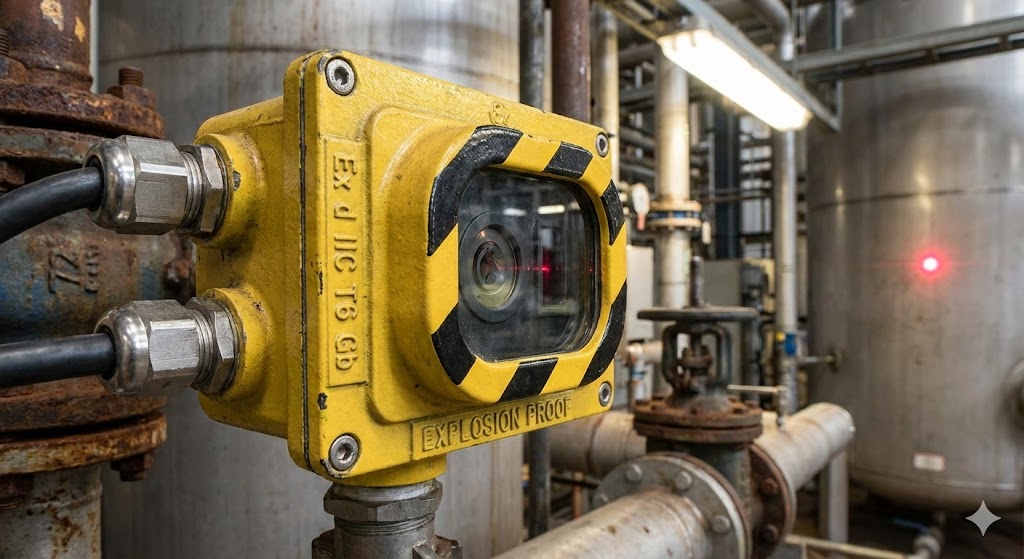
Installation and maintenance best practices are essential for optimal performance. Sensors should be mounted at a stable distance from the belt, aligned perpendicularly to avoid angular errors, and shielded from direct sunlight or intense ambient heat sources that could interfere with readings. Regular cleaning of the lens prevents dust buildup, and periodic calibration against reference standards ensures accuracy over time. Many modern sensors include self-diagnostic features and rugged housings to minimize upkeep in demanding environments.
Advancements in belt laser temperature sensor technology continue to drive innovation. Integration with IoT platforms enables remote monitoring and predictive analytics, allowing for early fault detection and energy efficiency improvements. Enhanced algorithms now compensate for environmental variables like atmospheric absorption, while multi-wavelength sensors provide greater accuracy for low-emissivity surfaces. As industries embrace Industry 4.0, these sensors are becoming integral to smart manufacturing ecosystems, contributing to data-driven decision-making and sustainable operations.
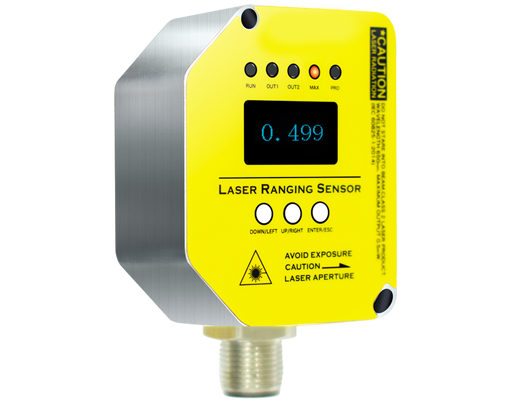
In conclusion, belt laser temperature sensors represent a sophisticated solution for non-contact temperature measurement in dynamic industrial settings. By offering high accuracy, durability, and seamless integration, they address critical challenges in safety, quality control, and process optimization. For engineers and operators, understanding their capabilities and proper implementation is key to leveraging their full potential in enhancing productivity and reducing operational risks across diverse sectors.