In the realm of industrial safety and environmental monitoring, the detection of methane gas leaks is a critical priority. Methane, a primary component of natural gas, is not only highly flammable but also a potent greenhouse gas. Traditional detection methods, such as catalytic bead or infrared point sensors, have served industries for decades. However, the advent of laser-based technology has ushered in a new era of precision and reliability. The ERO Laser Methane Sensor represents a significant leap forward in this field, offering unparalleled performance for a wide range of applications.
At its core, the ERO sensor utilizes Tunable Diode Laser Absorption Spectroscopy (TDLAS). This advanced technology involves directing a precisely tuned laser beam through the target atmosphere. Methane molecules absorb light at specific infrared wavelengths. The sensor measures the attenuation of the laser beam at this characteristic absorption line. The degree of absorption is directly proportional to the methane concentration along the beam's path. This fundamental principle allows for highly selective and sensitive detection, as the laser is tuned to a wavelength uniquely absorbed by methane, minimizing cross-sensitivity to other gases.
The operational advantages of the ERO Laser Methane Sensor are substantial. Firstly, it offers exceptional sensitivity, capable of detecting methane concentrations at parts-per-million (ppm) levels from a distance. This enables remote sensing, allowing operators to survey large or inaccessible areas—such as pipelines, compressor stations, landfill perimeters, or offshore platforms—quickly and safely without the need for physical contact or entry into potentially hazardous zones. The sensor can be deployed in both fixed installations for continuous monitoring and in portable, handheld devices for survey and leak detection purposes.
Secondly, the response time is remarkably fast. Unlike some traditional sensors that may require diffusion or physical contact with the gas, the laser-based measurement is nearly instantaneous. This rapid detection is crucial for triggering alarms and initiating safety protocols in real-time, thereby preventing accidents and minimizing potential damage. Furthermore, the technology boasts excellent long-term stability and requires minimal calibration compared to electrochemical or catalytic sensors, which can drift or be poisoned by certain compounds. This translates to lower lifecycle costs and reduced maintenance downtime.
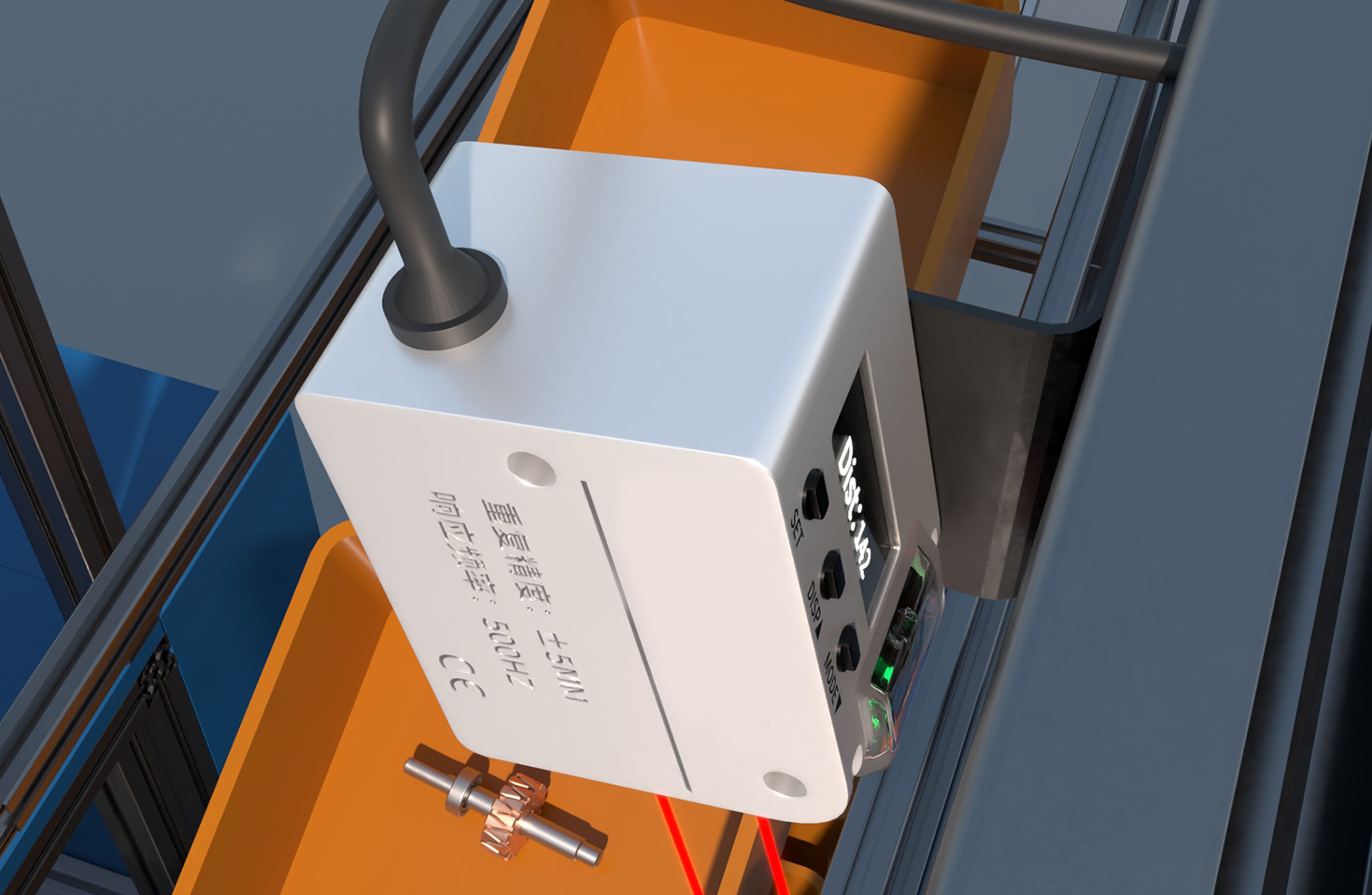
The applications for the ERO sensor are diverse and critical across multiple sectors. In the oil and gas industry, it is indispensable for upstream, midstream, and downstream operations. It is used for fugitive emission monitoring at wellheads, leak detection along vast pipeline networks, and area monitoring within processing plants and refineries. In the utilities sector, it ensures the integrity of natural gas distribution networks in urban environments. Waste management facilities employ these sensors to monitor methane generation in landfills. Additionally, they play a vital role in coal mining for detecting methane accumulations, enhancing miner safety.

Another key feature is its robustness in challenging environments. The sensor is designed to perform reliably in a wide range of temperatures, humidity levels, and in the presence of dust or other airborne particulates. Its non-contact nature means it is less susceptible to corrosion or physical damage from the environment it is monitoring. Data integration is also seamless; modern ERO sensors often come equipped with digital outputs and communication protocols (like 4-20mA, Modbus, or wireless interfaces) allowing for easy integration into existing Supervisory Control and Data Acquisition (SCADA) systems or plant safety networks.
In conclusion, the ERO Laser Methane Sensor embodies the convergence of advanced optical engineering and practical industrial need. By leveraging TDLAS technology, it provides a superior solution for methane detection that is fast, accurate, reliable, and versatile. As industries worldwide face increasing pressure to enhance safety standards, reduce environmental impact, and improve operational efficiency, the adoption of such innovative detection technologies becomes not just advantageous but essential. The ERO sensor stands as a proven tool in the ongoing mission to protect assets, personnel, and the environment from the risks associated with methane gas.