In the rapidly evolving landscape of industrial automation and smart systems, proximity sensors stand as critical components for enabling non-contact detection, enhancing safety, and optimizing operational efficiency. As a seasoned electrical engineer with decades of field experience, I have witnessed the transformative shift from traditional inductive and capacitive sensors to a new generation of sophisticated devices. This article delves into the latest咨询 on novel proximity sensor technologies, their operational principles, and their profound implications for modern industry.
The fundamental demand driving innovation is the need for higher precision, greater versatility, and enhanced connectivity. Traditional sensors, while reliable, often face limitations in detection range, material compatibility, and environmental resilience. The new wave of sensors addresses these challenges head-on. A prime example is the advancement in Magnetic Field-Based Sensors, particularly Anisotropic Magneto-Resistive (AMR) and Tunnel Magneto-Resistive (TMR) sensors. These devices offer exceptional sensitivity to magnetic fields, allowing for the detection of magnets or ferrous objects with sub-millimeter accuracy and at significantly longer ranges than standard inductive sensors. They are revolutionizing position sensing in harsh environments where oil, dust, or vibrations are prevalent.
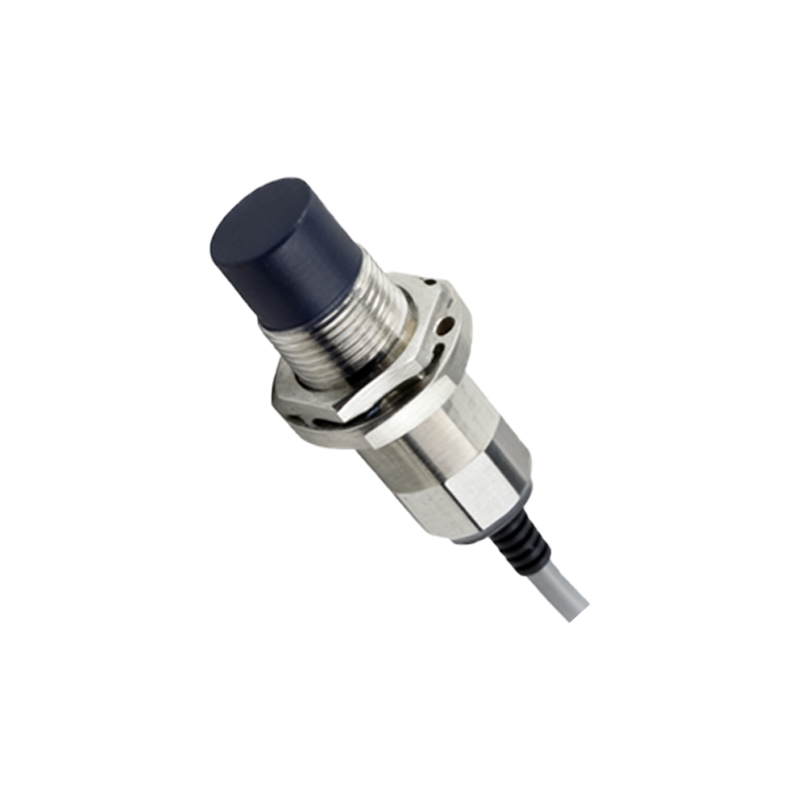
Another groundbreaking development is in the realm of LiDAR (Light Detection and Ranging) for Short-Range Proximity. While LiDAR is famous for autonomous vehicles, its miniaturized versions are now being deployed for precise, high-speed object detection and profiling in industrial settings. These sensors use laser pulses to create detailed 3D point clouds, enabling not just the presence detection but also the shape, orientation, and distance of an object with incredible fidelity. This is invaluable for complex robotic pick-and-place operations and quality control on assembly lines.

Furthermore, Ultrasonic Sensors with Advanced Echo Processing have seen substantial improvements. Modern digital signal processors (DSPs) allow these sensors to filter out background noise and multi-path reflections with unprecedented effectiveness. This results in stable and reliable detection of objects regardless of their color, transparency, or material composition—a significant advantage over photoelectric sensors. They are becoming the go-to solution for liquid level detection, transparent object sensing, and applications in challenging atmospheric conditions.
The integration of IO-Link communication is perhaps the most significant trend from a system integration perspective. IO-Link transforms a standard proximity sensor into a smart device capable of two-way communication. It allows for remote parameter configuration (e.g., setting sensitivity or switching points), real-time diagnostic data transmission (e.g., temperature, operating hours), and predictive maintenance alerts. This digital layer turns simple detection into actionable intelligence, seamlessly feeding data into higher-level control systems and Industrial IoT (IIoT) platforms.
Material science also plays a crucial role. New housing materials and coatings are being developed to withstand extreme temperatures, aggressive chemicals, and high-pressure washdowns (IP69K ratings), expanding the operational envelope for sensors in food & beverage, pharmaceutical, and offshore industries.
When consulting on selecting a new proximity sensor, engineers must consider a multi-faceted approach:
1. Application Environment: Assess factors like temperature extremes, presence of contaminants, and potential electromagnetic interference.
2. Target Object: Determine the material, size, and required detection distance. For non-metallic objects, capacitive or ultrasonic sensors may be necessary.
3. Required Output and Connectivity: Decide between traditional discrete outputs (PNP/NPN) or smart, IO-Link enabled devices based on the data needs of the control system.
4. Precision and Speed: Evaluate the necessary response time and repeat accuracy for the process.
5. Total Cost of Ownership: Consider not just the unit price, but installation ease, maintenance needs, and the value of diagnostic data in preventing downtime.
In conclusion, the咨询 landscape for proximity sensors is rich with intelligent, robust, and highly capable solutions. The convergence of advanced sensing principles, digital communication, and durable design is empowering engineers to build more responsive, efficient, and reliable automated systems. Staying informed about these technologies is not merely an option but a necessity for driving innovation and maintaining competitive advantage in today's industrial arena. The future points toward even greater sensor fusion, where data from multiple sensing technologies are combined to provide a comprehensive understanding of the operational environment.