Laser sensors have become indispensable components in modern industrial automation, offering unparalleled precision, speed, and reliability. These devices operate by emitting a focused beam of light, typically from a laser diode, and measuring the properties of the reflected light to determine distance, position, presence, or profile of a target object. The core principle relies on time-of-flight, triangulation, or phase-shift measurement techniques, each suited for specific applications and accuracy requirements.
In manufacturing environments, laser sensors excel in tasks such as precise object detection, dimensional gauging, and contour profiling. Their ability to perform non-contact measurements is critical for inspecting delicate, hot, or fast-moving items without causing damage or disruption. For instance, in automotive assembly lines, laser sensors ensure components are positioned correctly before robotic welding, while in electronics manufacturing, they verify the minute placement of surface-mount devices on circuit boards. The high response speed, often in the microsecond range, allows for real-time quality control in high-speed production processes, significantly reducing waste and improving throughput.
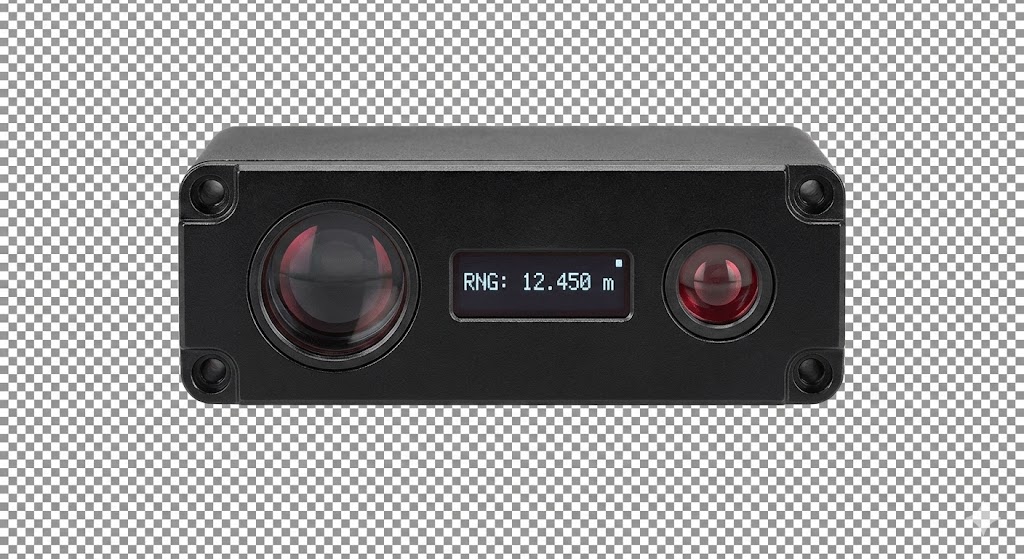
The selection of an appropriate laser sensor depends on several factors, including measurement range, resolution, environmental conditions, and the target's surface properties. Sensors with red or infrared lasers are common, but blue lasers are gaining traction for applications involving organic materials or hot surfaces due to their shorter wavelength and better visibility. Robust housing designs with high ingress protection (IP) ratings ensure reliable operation in harsh conditions characterized by dust, moisture, vibration, or extreme temperatures. Integration with industrial networks like IO-Link, PROFINET, or EtherNet/IP facilitates seamless data exchange with programmable logic controllers (PLCs) and supervisory control systems, enabling advanced diagnostics and predictive maintenance.
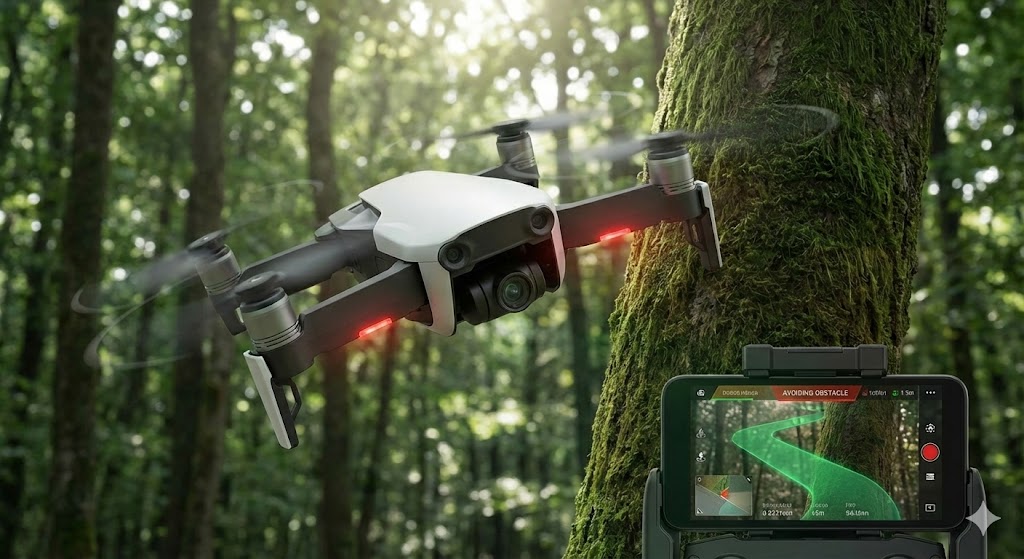
Recent advancements focus on enhancing functionality and ease of use. Smart sensors now incorporate integrated processors for edge computing, allowing for in-sensor data analysis and decision-making. This reduces the computational load on central controllers and enables more complex applications, such as pattern recognition or fill-level monitoring in transparent containers. Furthermore, the development of compact, cost-effective models has expanded their use beyond traditional heavy industry into logistics, packaging, and even agricultural automation.
Despite their advantages, implementing laser sensors requires careful consideration. Factors like ambient light interference, target color, reflectivity, and surface texture can affect performance. Proper installation, alignment, and parameter configuration are essential. Regular calibration against known standards maintains long-term accuracy. As Industry 4.0 and the Industrial Internet of Things (IIoT) evolve, laser sensors are poised to become even more intelligent, connected, and vital for achieving higher levels of automation efficiency and data-driven optimization in the smart factory of the future.