In the rapidly evolving landscape of industrial automation, the demand for precise, reliable, and application-specific sensing solutions has never been greater. Long-distance proximity sensors, critical for non-contact detection of objects at extended ranges, are at the forefront of this demand. While off-the-shelf models serve many purposes, complex industrial environments often necessitate customized solutions. Establishing and adhering to rigorous customization standards is paramount to ensure sensor performance, system integration, and long-term operational reliability. This article outlines the key standards and considerations for the successful customization of long-distance proximity sensors.
The foundation of any customization project is a comprehensive and unambiguous specification of operational requirements. This goes beyond simply stating a required sensing range. Engineers must define the exact nature of the target object: its material composition (ferrous, non-ferrous, non-metallic), its size, shape, and surface characteristics (color, reflectivity, texture). Environmental factors constitute another critical pillar. The sensor will be subjected to specific temperatures, humidity levels, and potential exposure to contaminants like dust, oil, coolants, or chemical vapors. The ingress protection (IP) rating, typically following the IEC 60529 standard, must be specified to guarantee resilience against these conditions. For instance, an outdoor application on a port crane requires a significantly higher IP rating (e.g., IP67 or IP69K) compared to a clean indoor assembly line.
Electrical and output characteristics form the interface between the sensor and the control system. Customization often involves selecting the appropriate operating voltage (e.g., 10-30V DC, 20-250V AC) and output type. Options include discrete outputs like PNP/NPN transistors, relay contacts, or analog outputs (0-10V, 4-20mA) for proportional distance measurement. The choice of connection method—pre-wired cable, quick-disconnect connector (e.g., M8, M12)—must align with the installation environment and maintenance protocols. Response time and switching frequency are also vital; high-speed production lines demand sensors with millisecond-level response times to maintain cycle rates.
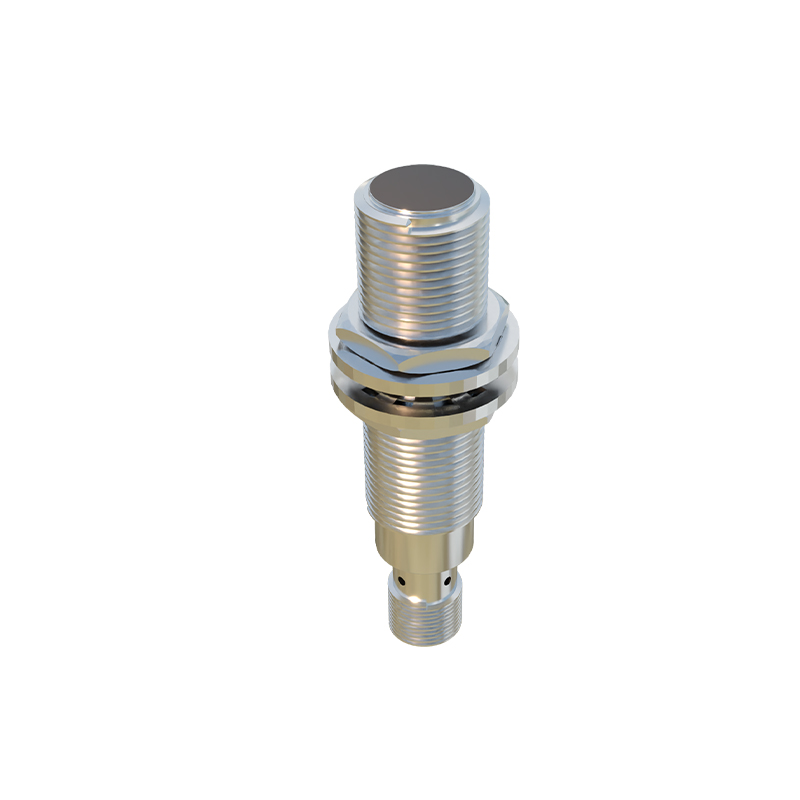
Mechanical design customization is frequently required to fit spatial constraints and mounting conditions. This includes specifying the sensor's housing material—stainless steel for corrosive environments, ruggedized plastics for lighter duty—as well as its shape, size, and mounting style (threaded barrel, rectangular block, slot-style). The orientation of the sensing face and the inclusion of specific features like alignment indicators, status LEDs, or sensitivity adjustment potentiometers are also part of this domain. All mechanical designs should consider vibration and shock resistance, referencing standards like IEC 60068-2-6 (vibration) and IEC 60068-2-27 (shock).
Performance validation and testing are non-negotiable phases in the customization process. A customized sensor must be rigorously tested against the agreed-upon specifications. This includes verifying the actual sensing range under various conditions, testing temperature drift, checking immunity to electrical noise (per EN 61000-6-2 for industrial environments), and ensuring it does not cause or suffer from electromagnetic interference (EMI). Repeatability and hysteresis—the consistency of the switch point—are key metrics of quality. Reputable manufacturers will provide test certificates and data sheets that reflect the sensor's performance as built.
Finally, adherence to overarching international safety and industry standards is mandatory. Depending on the region and application, sensors may need to comply with CE marking directives (including EMC and Low Voltage Directives), UL/cUL standards for North America, or specific functional safety standards like IEC 61508 if used in safety-related systems. For use in hazardous areas with explosive atmospheres, certifications such as ATEX, IECEx, or FM/CSA Class/Division ratings are essential.
In conclusion, customizing a long-distance proximity sensor is a detailed engineering partnership between the end-user and the manufacturer. Success hinges on a systematic approach that meticulously defines environmental, electrical, mechanical, and performance parameters. By grounding the customization process in established industrial standards and clear communication, engineers can procure sensing solutions that deliver optimal performance, durability, and integration, thereby enhancing the efficiency and safety of their automated systems.