Proximity sensors are indispensable components in modern industrial automation, manufacturing lines, and safety systems. Their ability to detect the presence or absence of an object without physical contact provides immense reliability and efficiency. However, their performance can be significantly degraded by various forms of electrical and environmental interference. Understanding these interference sources is crucial for ensuring system stability and preventing costly downtime. This article delves into the primary causes of interference affecting inductive, capacitive, and ultrasonic proximity sensors and outlines practical mitigation strategies.
One of the most prevalent sources of interference is Electromagnetic Interference (EMI). Industrial environments are rife with EMI generators. High-power equipment such as variable frequency drives (VFDs), motor starters, welding machines, and solenoids can produce intense electromagnetic fields. These fields can induce spurious voltages in the sensor's circuitry or its signal cables, leading to false triggering or failure to detect. Similarly, radio frequency interference (RFI) from communication devices like walkie-talkies or cellular phones can also couple into sensitive electronics. The sensor's output signal, especially from analog or IO-Link variants, can become noisy and unreliable under such conditions.
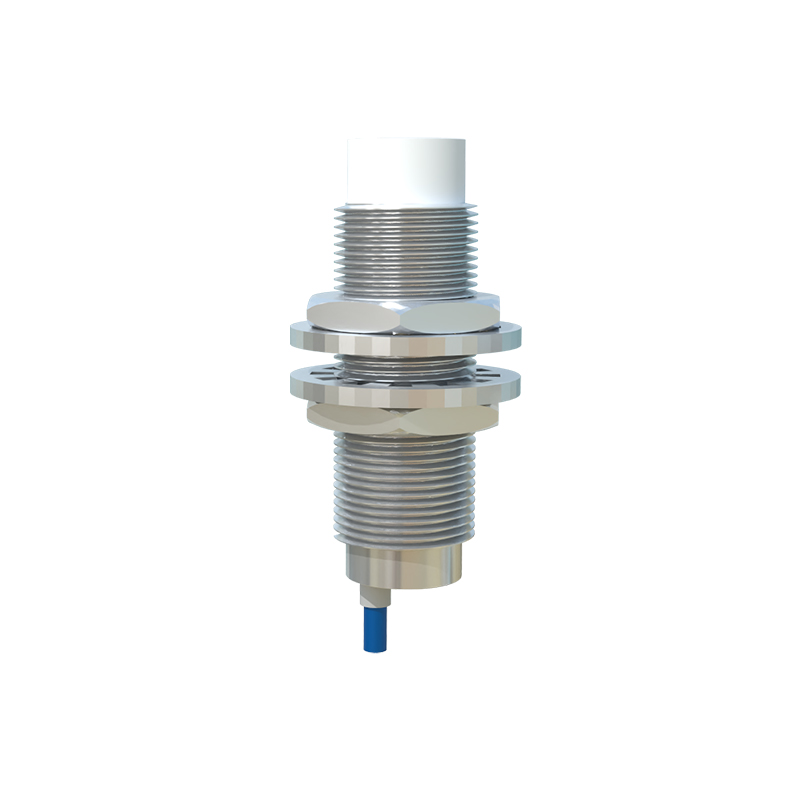
Electrical Noise on Power Lines is a closely related and critical issue. The same machinery that generates EMI often causes power line disturbances, including voltage spikes, sags, and harmonic distortion. When a proximity sensor shares a power supply with large inductive loads, the sudden inrush current or switching transients can cause momentary voltage drops. This can reset the sensor or cause erratic behavior. Furthermore, improper grounding or the existence of ground loops creates paths for circulating currents, which manifest as noise on the signal reference.
Mutual Interference Between Sensors is a common pitfall, especially when multiple sensors are mounted in close proximity. For inductive sensors, the oscillating electromagnetic fields of two adjacent sensors can interact if their operating frequencies are similar. This interaction can cause one sensor to lock in an "on" state or reduce its effective sensing range. This is particularly problematic in dense packaging applications, such as on tooling plates or within robotic grippers.
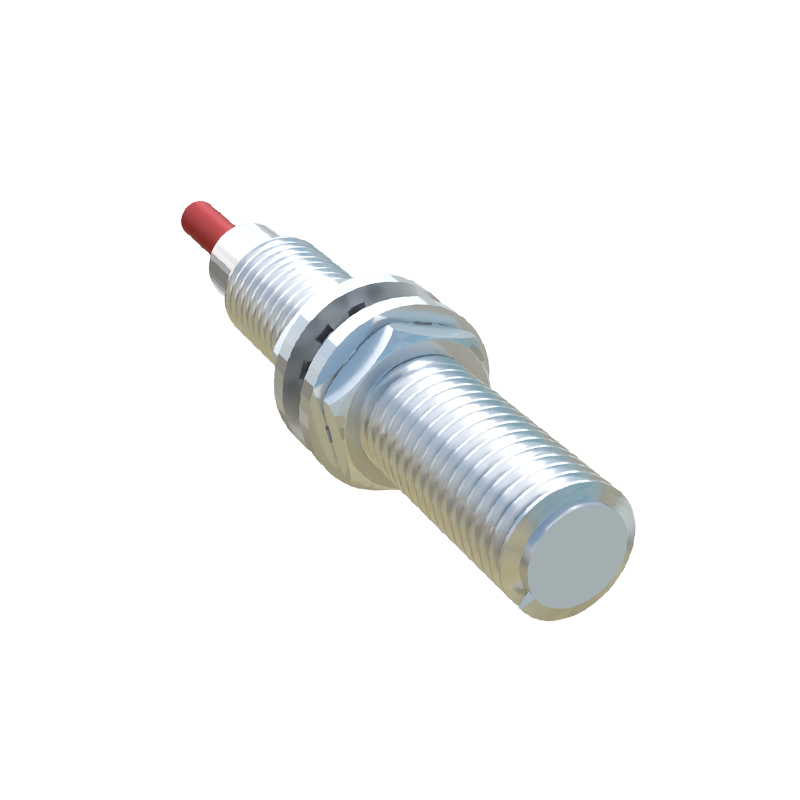
Environmental and Material Factors constitute another major category. For capacitive sensors, which detect changes in capacitance, interference can come from non-target materials. Condensation, oil films, dust accumulation, or even high humidity on the sensor face can alter the dielectric constant, causing false actuation. For inductive sensors, the presence of different metals in the sensing area—like metal chips or filings from machining processes—can be mistakenly detected. Temperature extremes can also affect the oscillator circuit in inductive sensors and the speed of sound in ultrasonic sensors, leading to drift in the switching point.

Improper Installation and Wiring Practices often introduce or exacerbate interference issues. Using unshielded cables or failing to properly terminate cable shields allows the cable to act as an antenna, picking up ambient noise. Running sensor signal cables in the same conduit or cable tray as high-current AC power lines is a classic error that guarantees capacitive or inductive coupling of noise. Excessive cable length without proper consideration for voltage drop or signal integrity can also make the system more susceptible.
Mitigation Strategies are rooted in good design and installation practices. Firstly, proper shielding and grounding is paramount. Always use shielded, twisted-pair cables for sensor signals. Connect the cable shield to ground at the controller or power supply end only (typically), avoiding ground loops. Physically separate signal cables from power lines by a minimum distance (e.g., 30 cm or more) and route them in separate conduits or trays.
Secondly, power supply conditioning can be highly effective. Using dedicated, regulated power supplies for sensitive sensor clusters isolates them from noisy mains. Installing ferrite cores or chokes on sensor cables near the connector can suppress high-frequency EMI. For severe environments, consider sensors with built-in surge protection and noise immunity ratings (e.g., compliant with IEC 60947-5-2).
To prevent mutual interference, select sensors with different operating frequencies if they must be mounted close together, or use models designed with synchronization capabilities (where sensors are pulsed sequentially). Maintain the manufacturer's recommended minimum separation distance between sensors. For environmental challenges, choose sensors with appropriate IP ratings, use models with built-in temperature compensation, and implement regular maintenance schedules to keep sensor faces clean.
In conclusion, interference in proximity sensor systems is a multifaceted challenge stemming from EMI, electrical noise, sensor interaction, environment, and installation errors. A systematic approach—involving careful sensor selection, robust electrical practices, and strategic physical layout—is essential to build resilient systems. By proactively addressing these interference sources, engineers can ensure the high reliability and precision that modern automated processes demand.