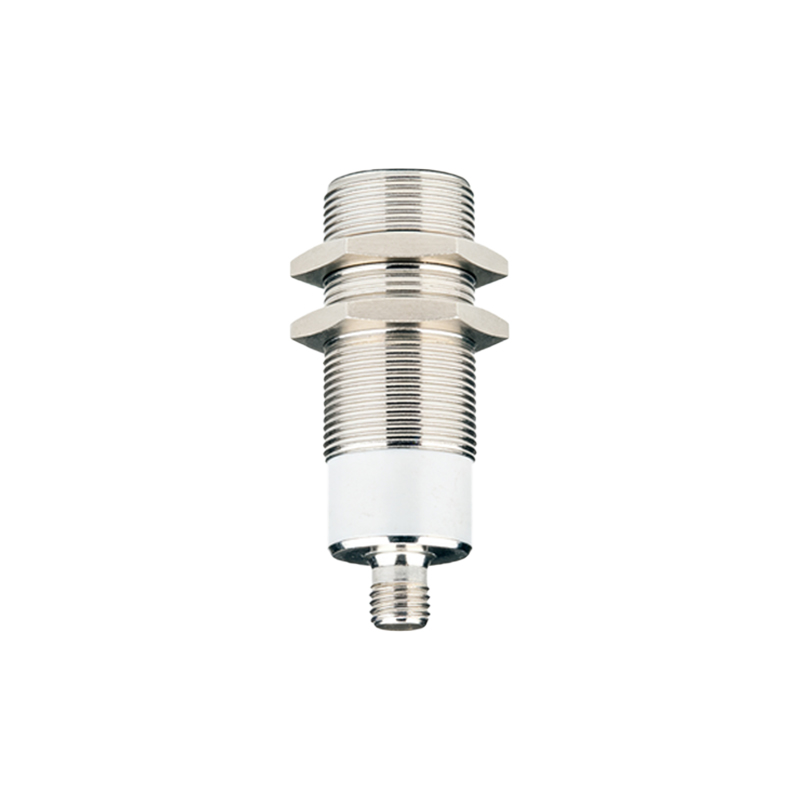
In the realm of industrial automation and electronic systems, small proximity sensors play a pivotal role in enabling precise, non-contact detection of objects. These compact devices are engineered to deliver reliable performance in space-constrained applications, from assembly lines to consumer electronics. To select the right sensor for a specific task, engineers must thoroughly understand its key performance parameters, which dictate operational efficiency and system integration.
First and foremost, the sensing distance, often referred to as the nominal range, is a critical parameter. It defines the maximum distance at which a sensor can reliably detect a standard target. Small proximity sensors typically offer ranges from a few millimeters up to several centimeters, depending on the technology employed—inductive, capacitive, or photoelectric. Factors such as target material, size, and environmental conditions can influence the effective sensing distance, making it essential to consult manufacturer specifications under real-world conditions.
Another vital parameter is the response time, which indicates how quickly the sensor reacts to the presence or absence of an object. Measured in milliseconds or microseconds, a fast response time is crucial for high-speed applications like packaging machinery or robotic arms. Engineers should balance response time with other factors, such as sensor durability and power consumption, to avoid bottlenecks in automated processes.
The operating voltage and current consumption are key for system integration and energy efficiency. Small proximity sensors commonly operate on low DC voltages (e.g., 5V to 24V) and feature low current draw to minimize heat generation and extend lifespan. Designers must ensure compatibility with power supplies and consider voltage tolerances to prevent malfunctions in fluctuating electrical environments.
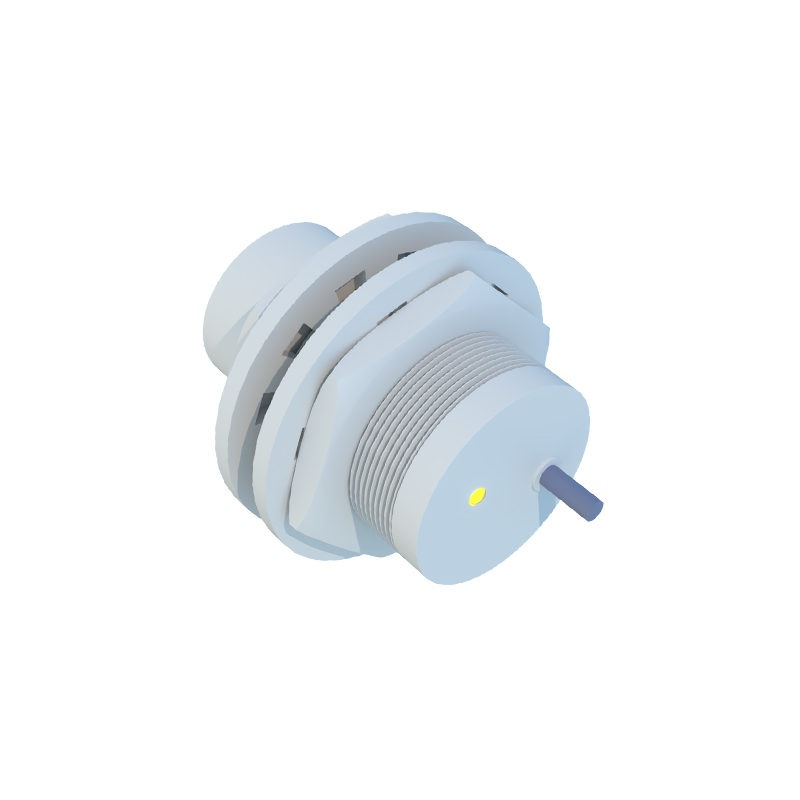
Environmental robustness, encapsulated in parameters like ingress protection (IP) ratings and temperature range, determines a sensor's suitability for harsh conditions. High IP ratings (e.g., IP67) signify resistance to dust and water, while wide temperature ranges (e.g., -25°C to 70°C) enable operation in extreme settings. Additionally, resistance to electrical noise and vibration is critical for maintaining signal integrity in industrial settings.
Output type and configuration also influence performance. Small proximity sensors may provide digital outputs (e.g., NPN or PNP transistors) or analog signals, with options for normally open or closed circuits. The choice depends on the control system requirements, such as interfacing with PLCs or microcontrollers. Furthermore, housing material and size must align with mechanical constraints and installation needs.
In summary, optimizing the use of small proximity sensors hinges on a deep grasp of these parameters. By evaluating sensing distance, response time, power requirements, environmental resilience, and output characteristics, engineers can enhance system reliability and efficiency. As technology advances, these sensors continue to evolve, offering greater precision and adaptability for diverse applications.