In the realm of industrial automation and electrical engineering, the V20 proximity light sensor stands as a critical component for enhancing operational efficiency and safety. These sensors are widely utilized across various sectors due to their precision in detecting objects without physical contact, relying on light-based technology to measure proximity. Understanding where to locate and implement V20 sensors is essential for engineers and technicians aiming to optimize system performance.
Primarily, V20 proximity light sensors are found in manufacturing assembly lines. In automotive production, for instance, they are strategically placed along conveyor belts to monitor the presence of parts, ensuring seamless workflow and preventing jams. Their ability to detect metallic and non-metallic objects makes them versatile for tasks like part counting or positioning, where accuracy is paramount. In electronics manufacturing, these sensors are integrated into robotic arms to guide precise placement of components on circuit boards, reducing errors and increasing throughput.
Another key application area is in packaging and material handling systems. V20 sensors are often installed near loading docks or within automated storage and retrieval systems (AS/RS) to detect pallets, boxes, or other items. By sensing object proximity, they help control machinery movements, such as stopping conveyors when an item is misaligned or triggering sorting mechanisms. This minimizes downtime and damage, contributing to cost savings in logistics operations.
In the energy sector, particularly in power plants and renewable energy installations, V20 proximity light sensors play a vital role in monitoring equipment. They are commonly located near turbines, generators, or solar panel arrays to detect anomalies or obstructions. For example, in wind farms, sensors can be mounted on turbine blades to sense ice buildup or debris, enabling preventive maintenance and reducing failure risks. Their robust design allows them to withstand harsh environments, including high temperatures and vibrations.
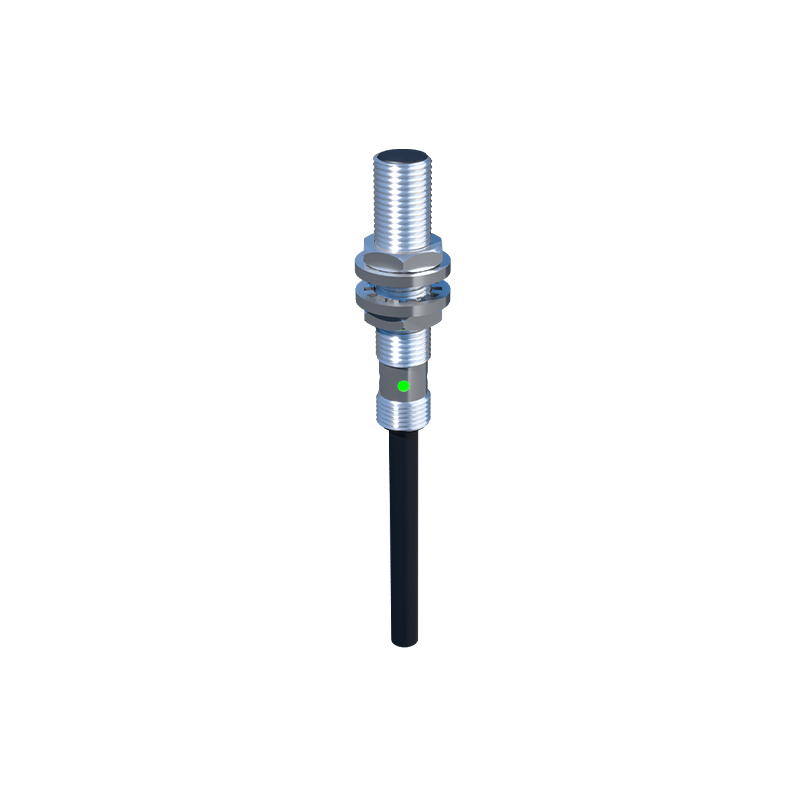
Safety systems also heavily rely on V20 sensors. In industrial settings, they are positioned around hazardous machinery, such as presses or cutting tools, to create safety barriers. When an object or person enters a restricted zone, the sensor triggers an immediate shutdown, preventing accidents. Additionally, in building automation, these sensors are used in elevator doors or automatic lighting systems, where they detect movement to enhance user convenience and energy efficiency.
The installation of V20 proximity light sensors requires careful consideration of factors like range, response time, and environmental conditions. Engineers typically place them in areas with minimal interference from ambient light or dust, ensuring reliable performance. Regular maintenance, including cleaning lenses and checking alignments, is recommended to sustain accuracy. As industries advance toward Industry 4.0, integrating V20 sensors with IoT platforms allows for real-time data analytics, further optimizing their placement and functionality.
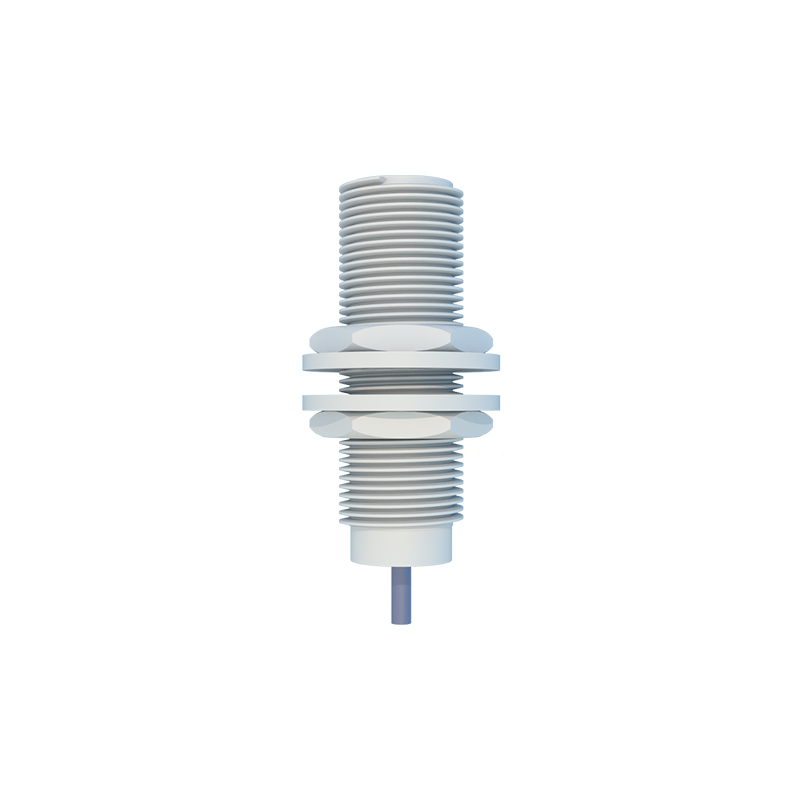
In summary, V20 proximity light sensors are integral to modern industrial operations, found in manufacturing, packaging, energy, and safety applications. Their strategic placement enhances automation, reduces errors, and promotes safety, making them indispensable tools for electrical professionals. By understanding their locations and roles, engineers can leverage these sensors to drive innovation and efficiency in diverse projects.