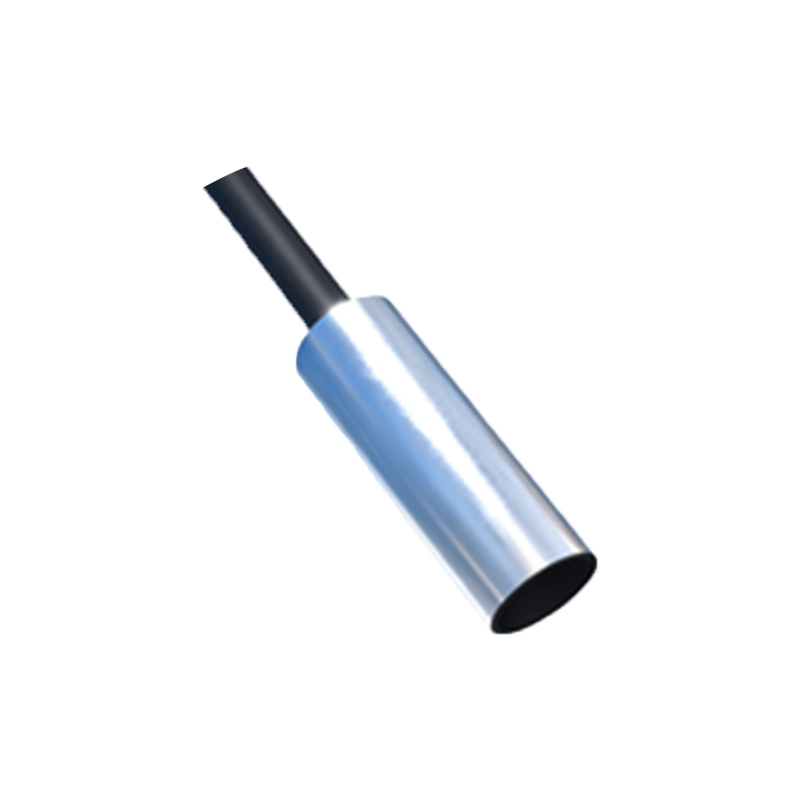
Magnetic proximity sensors, often referred to as magnetic reed switches or magnetically actuated sensors, are fundamental components in modern industrial automation and control systems. Their primary function is to detect the presence or absence of a magnetic field, typically generated by a permanent magnet, without any physical contact. This non-contact sensing principle is the cornerstone of their reliability, longevity, and versatility in harsh environments.
The core operating mechanism is elegantly simple. The sensor itself contains a hermetically sealed reed switch—two ferromagnetic reeds (blades) enclosed in a glass tube filled with an inert gas. When an external magnetic field of sufficient strength is applied (e.g., from an approaching magnet mounted on a moving part), the reeds become magnetically attracted to each other, flex, and make physical contact, thus closing the electrical circuit. When the magnetic field is removed, the inherent spring force of the reeds separates them, opening the circuit. This binary state—open or closed—provides a clear, discrete signal to a programmable logic controller (PLC) or other control unit.
This technology offers a compelling set of advantages that make it indispensable. First and foremost is exceptional durability. The sealed glass capsule protects the contacts from dust, moisture, oxidation, and corrosive atmospheres, making these sensors ideal for washdown areas, outdoor applications, or dirty manufacturing settings where inductive or capacitive sensors might fail. They are immune to contaminants like oil, grease, and non-ferrous chips. Secondly, they consume extremely low power, as they are passive devices requiring no internal power source to operate the switching element itself. Furthermore, they can switch both low-level signals (for logic) and relatively high power loads (like small solenoids or lamps) directly, thanks to their simple mechanical contact. Their switching speed, while not as fast as solid-state alternatives, is perfectly adequate for most industrial sequencing, positioning, and limit-switching applications, such as detecting cylinder piston position, door/window status, or conveyor pallet presence.
A critical consideration in application is the sensing distance, which is typically shorter than that of inductive sensors. The effective operating range depends on the strength of the actuator magnet and the sensitivity of the reed switch. Standard sensing distances range from a few millimeters to about 50 mm. Engineers must carefully select the magnet size, shape (e.g., bar, ring, pot), and grade, as well as the sensor's sensitivity, to ensure reliable operation over the required air gap. Misalignment and temperature variations can also affect performance; high temperatures can temporarily weaken a magnet, while extreme cold can make the reed blades more brittle.
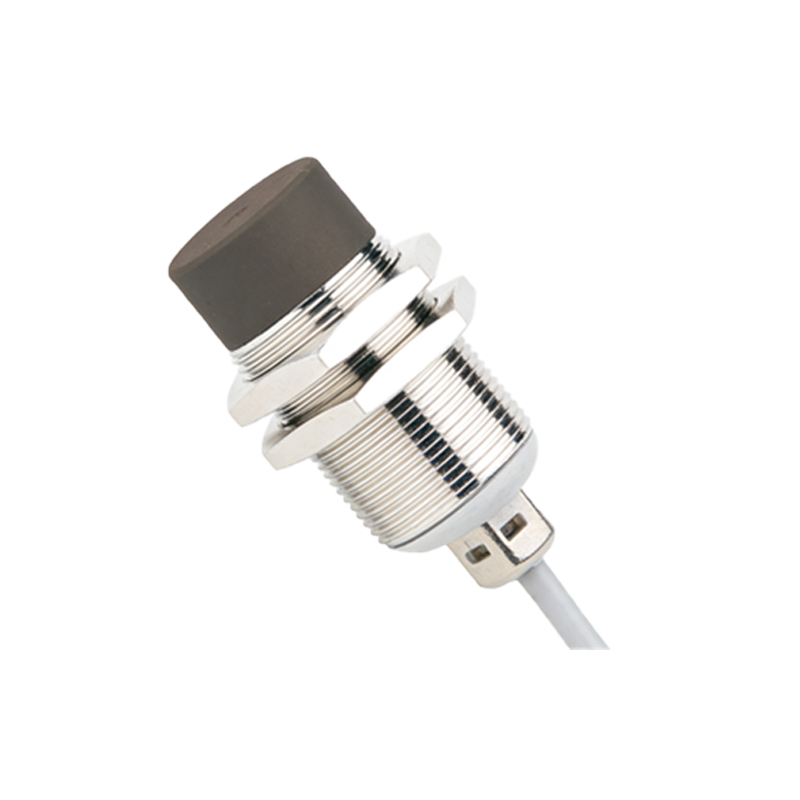
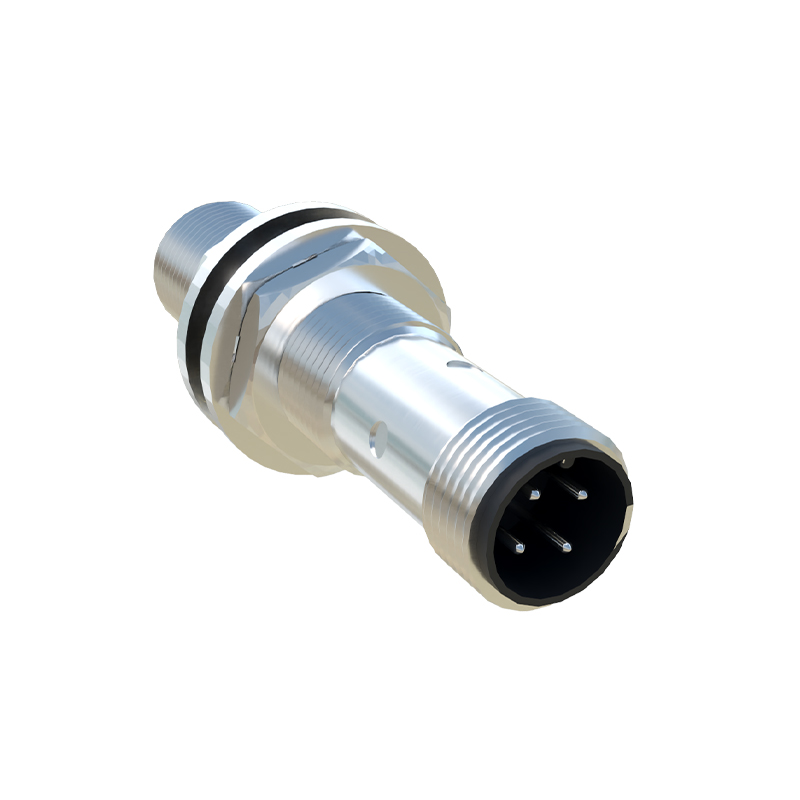
Installation and wiring are straightforward. The sensor is usually housed in a robust plastic or metal body with mounting threads (e.g., M8, M12, M18). The two-wire AC/DC or three-wire DC versions are common. A key installation best practice is to ensure the magnet approaches along the correct axis (usually axially or laterally, depending on design) and to avoid the presence of strong stray magnetic fields from motors or welding equipment, which could cause false triggering.
Compared to other proximity sensor types, magnetic sensors hold a distinct niche. Inductive sensors detect all metals but require closer ranges and can be affected by certain material types. Capacitive sensors detect non-metallic materials but are sensitive to environmental changes like humidity. Optical sensors offer long ranges but can be blinded by dirt. The magnetic sensor's immunity to environmental factors and its ability to work through non-magnetic barriers (like stainless steel, aluminum, plastic, or glass) give it unique advantages. Common applications include: hydraulic and pneumatic cylinder position feedback, safety door interlocks on machinery, liquid level detection using float magnets, rotary speed sensing on shafts, and end-of-travel detection on linear actuators.
In conclusion, the magnetic proximity sensor remains a workhorse in electrical engineering for industrial automation. Its simplicity, ruggedness, and cost-effectiveness for discrete position sensing tasks ensure its continued relevance. By understanding its operating principles, advantages, limitations, and proper application guidelines, engineers and technicians can reliably integrate these robust devices to enhance machine safety, efficiency, and operational intelligence across countless industries.