Proximity switch sensors are critical components in modern concrete pump trucks, ensuring precise control of boom movements, outrigger positioning, and material flow. These non-contact sensors detect the presence or absence of metallic objects, converting physical proximity into electrical signals for the truck’s control system. However, like any electromechanical part, they are prone to failures that can lead to operational downtime, safety hazards, and costly repairs. Understanding common fault types, diagnostic methods, and preventive measures is essential for maintenance engineers and operators.
One prevalent issue is sensor misalignment or physical damage. On a bustling construction site, pump trucks operate in harsh environments with constant vibration, dust, and occasional impacts. If a proximity sensor on the boom or outrigger becomes slightly displaced, it may fail to detect its target—such as a metal flag or actuator—causing erroneous signals. For instance, the system might incorrectly indicate that an outrigger is fully extended when it is not, posing a stability risk. Physical cracks or corrosion in the sensor housing can also allow moisture ingress, leading to internal short circuits. Regular visual inspections should check for secure mounting, intact casings, and clean sensing surfaces.
Electrical failures constitute another major category. Over time, wiring connections to proximity sensors can degrade due to vibration fatigue or exposure to chemicals. Loose terminals, frayed cables, or compromised insulation may result in intermittent signal loss or constant false triggers. Additionally, voltage fluctuations in the truck’s electrical system can damage the sensor’s internal circuitry. Using a multimeter, technicians should verify stable supply voltage (typically 10-30V DC for industrial sensors) and check output signals against manufacturer specifications. A sensor stuck in a “always-on” or “always-off” state often points to internal electronic failure, necessitating replacement.
Environmental factors play a significant role in sensor performance. Concrete residue, grease, or metallic debris accumulating on the sensor face can attenuate its magnetic or capacitive field, reducing effective sensing range. In cold climates, ice buildup might cause similar issues. Conversely, extreme heat from prolonged pump operation can exceed the sensor’s temperature rating, leading to thermal drift or permanent damage. Operators should implement routine cleaning with appropriate solvents and ensure sensors are rated for the expected temperature range. Installing protective shields or choosing IP67-rated sealed sensors can mitigate environmental risks.
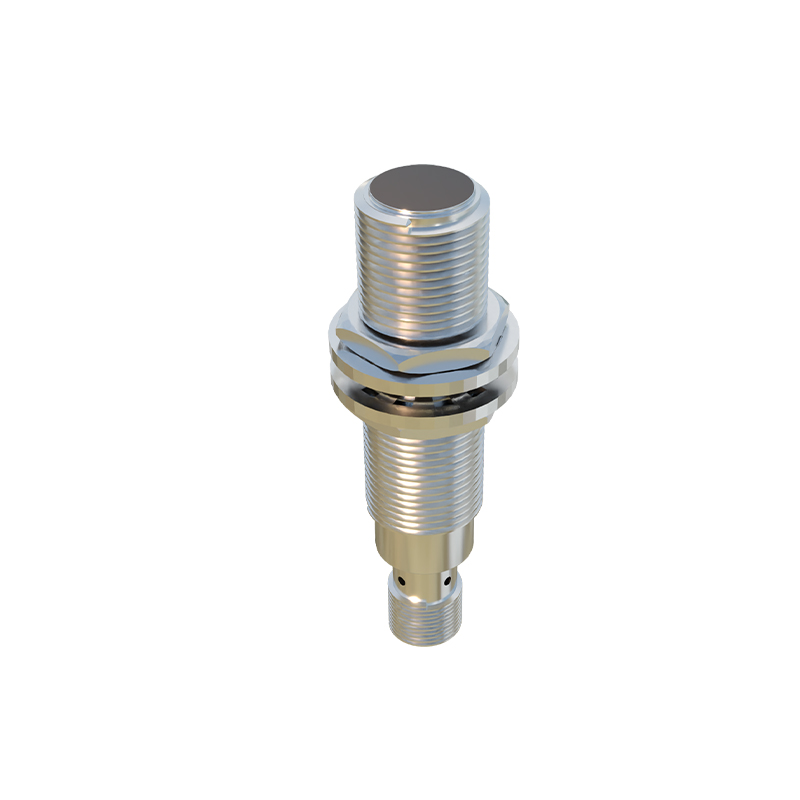
Diagnosing proximity switch faults requires a systematic approach. Begin by reviewing the pump truck’s error logs or diagnostic codes via the onboard control panel. Many modern systems flag sensor-related anomalies. Next, perform a functional test: manually trigger the sensor by moving a metal object near it while monitoring the output with a multimeter or oscilloscope. If the sensor responds inconsistently, inspect wiring and connectors for continuity and resistance. Cross-reference with a known-good sensor if possible. For programmable sensors, verify that parameters like switching frequency and hysteresis are correctly set, as improper configuration can mimic hardware faults.
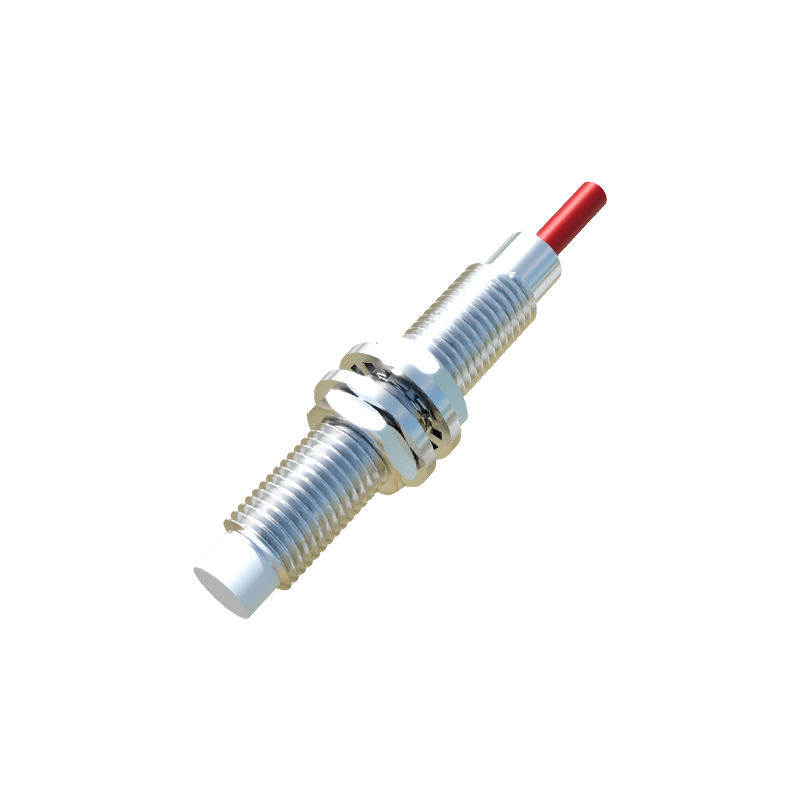
Preventive maintenance is key to minimizing downtime. Establish a schedule for inspecting all proximity sensors every 250 operating hours or as per manufacturer guidelines. This includes checking mounting hardware tightness, cleaning sensing surfaces, and testing electrical integrity. Keep spare sensors and compatible cables in inventory to expedite replacements. Training operators to recognize early warning signs—such as erratic boom movements or delayed outrigger retraction—can enable prompt intervention. Additionally, consider upgrading to more robust sensor models with higher ingress protection (IP) ratings or reinforced housings for demanding applications.
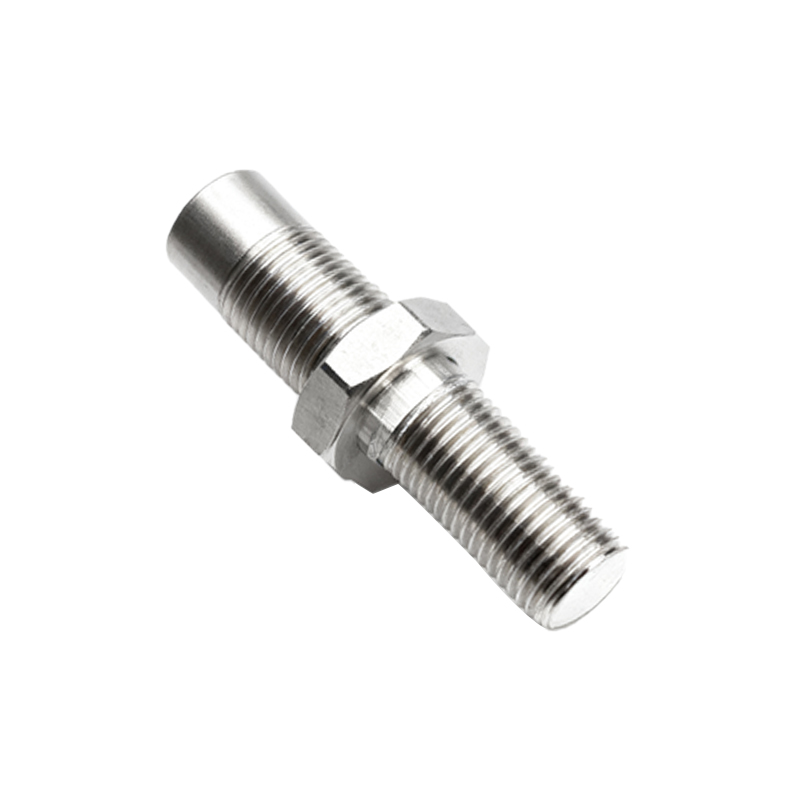
In summary, proximity switch sensor failures in concrete pump trucks stem from mechanical, electrical, and environmental stressors. By combining regular inspections, proper diagnostics, and proactive maintenance, fleets can enhance reliability and safety. Always adhere to OEM specifications when selecting or replacing sensors, as compatibility with the control system is crucial. Addressing these faults promptly not only prevents operational disruptions but also extends the service life of critical pumping equipment.