Proximity sensors are essential components in modern electrical and automation systems, designed to detect the presence or absence of an object without physical contact. These sensors operate based on various physical principles, each suited to specific industrial applications. The most common types include inductive, capacitive, ultrasonic, and photoelectric proximity sensors, each leveraging distinct technologies to achieve reliable non-contact detection.
Inductive proximity sensors are widely used in metal detection scenarios. They generate an electromagnetic field through a coil and oscillator circuit. When a metallic object enters this field, eddy currents are induced in the object, causing a change in the sensor's oscillation amplitude. This change is detected by a threshold circuit, which triggers an output signal. These sensors are ideal for harsh environments, such as manufacturing lines, due to their robustness and resistance to dust, oil, and moisture. Typical applications include position sensing in machinery, conveyor belt monitoring, and safety interlocks.
Capacitive proximity sensors, on the other hand, can detect both metallic and non-metallic objects, including liquids, plastics, and wood. They function by generating an electrostatic field between two electrodes. When an object enters this field, it alters the capacitance, which is measured by the sensor's circuit. This change prompts an output response. Capacitive sensors are commonly employed in level detection for tanks, material handling systems, and packaging industries where diverse materials must be sensed.
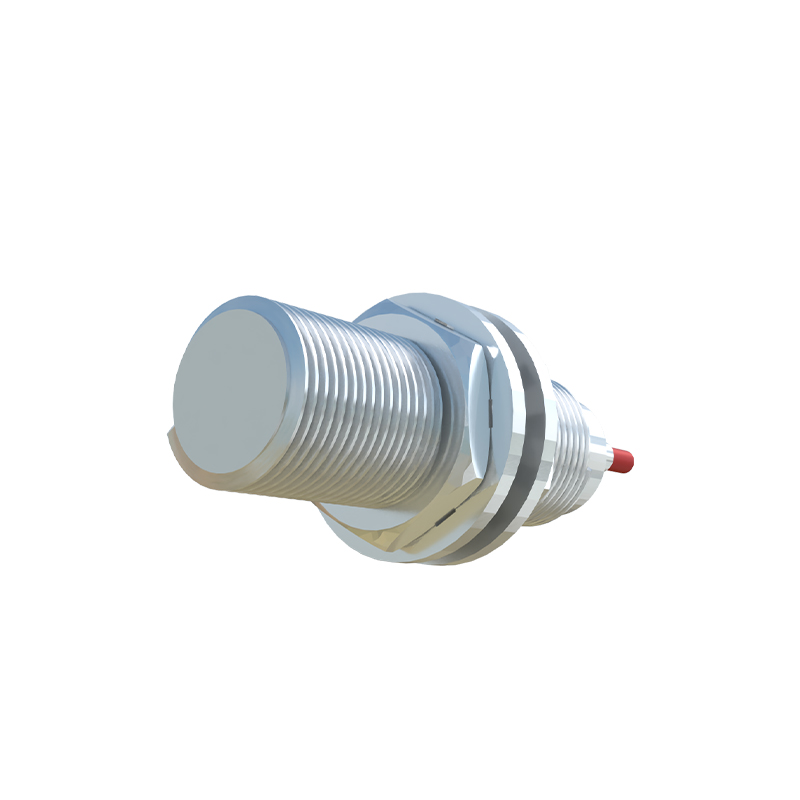
Ultrasonic proximity sensors utilize sound waves beyond the human hearing range. They emit ultrasonic pulses and measure the time taken for the echo to return after hitting an object. By calculating the distance based on the speed of sound, these sensors provide accurate detection even in challenging conditions like fog or dust. They are frequently used in automotive parking assistance, robotics navigation, and liquid level control.
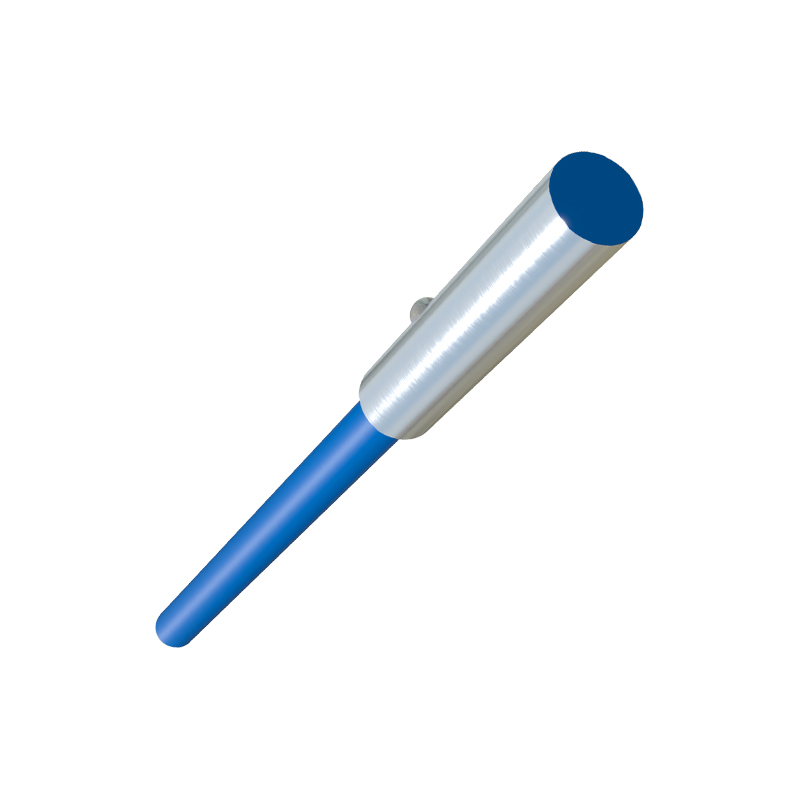
Photoelectric proximity sensors rely on light beams, typically infrared, to detect objects. They consist of an emitter and a receiver. When an object interrupts or reflects the light beam, the receiver detects the change, triggering an output. These sensors offer long sensing ranges and high precision, making them suitable for applications in packaging, assembly lines, and automated storage systems.
The role of proximity sensors extends beyond mere detection; they enhance efficiency, safety, and automation in electrical engineering. By enabling non-contact operation, they reduce wear and tear, minimize maintenance costs, and improve system reliability. In industrial settings, proximity sensors contribute to process control, quality assurance, and energy conservation. For instance, in automated production, they ensure precise positioning of components, preventing errors and downtime. In safety systems, they can activate emergency stops when objects approach hazardous zones.
When selecting a proximity sensor, engineers must consider factors such as sensing range, material compatibility, environmental conditions, and output type (e.g., digital or analog). Proper installation and calibration are crucial to optimize performance. As technology advances, smart proximity sensors with integrated diagnostics and connectivity features are emerging, supporting Industry 4.0 initiatives and IoT integration.
In summary, proximity sensors are pivotal in electrical engineering, offering versatile solutions for object detection across industries. Their non-contact nature, combined with diverse operating principles, allows for tailored applications that boost productivity and innovation. Understanding these sensors' mechanisms helps engineers design more efficient and reliable systems, driving progress in automation and control.