In the realm of industrial automation, the seamless interaction between sensing devices and actuation components is fundamental to system reliability and efficiency. Among these critical components, proximity sensors and pneumatic cylinders form a ubiquitous and powerful partnership. This article delves into their operational principles, integration methodologies, and key considerations for optimal application.
Proximity sensors are non-contact electronic devices designed to detect the presence or absence of a target object within a defined sensing range without physical contact. Common types include inductive, capacitive, and magnetic (reed or Hall-effect) sensors. Inductive sensors are predominantly used for detecting metallic objects, generating an electromagnetic field that is disturbed by a metal target, thereby triggering a switching signal. Capacitive sensors can detect both metallic and non-metallic materials (liquids, plastics, wood) by sensing changes in capacitance caused by the target entering an electrostatic field. Magnetic sensors are specifically tailored for detecting permanent magnets, often integrated directly into cylinder pistons.
Pneumatic cylinders, as linear actuators, convert compressed air energy into reciprocating mechanical motion. They consist of a piston, piston rod, cylinder barrel, and end caps. The controlled movement of the piston rod—extending or retracting—is what performs the work, such as pushing, pulling, or lifting. Cylinders are valued for their simplicity, high speed, cleanliness, and cost-effectiveness for linear force applications.
The synergy between these two components is typically realized in position feedback and sequencing control. A common configuration involves mounting a proximity sensor on the cylinder body to detect the piston's position, often by sensing a built-in magnet on the piston. For instance, a magnetic proximity sensor mounted at the rod-end cap can signal when the cylinder is fully retracted, while another at the head-end cap signals full extension. This provides precise end-of-stroke confirmation to the Programmable Logic Controller (PLC) or control system, which is crucial for initiating the next step in an automated sequence, preventing collisions, and ensuring operational safety.
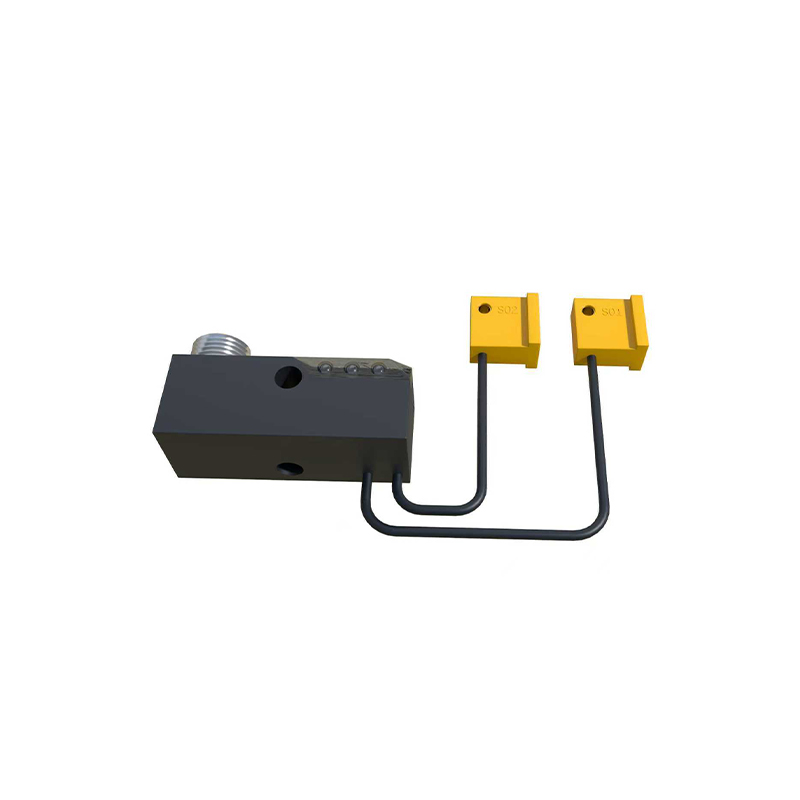
Several technical factors demand careful attention during system design and integration. First is sensor selection. Choosing between inductive, capacitive, or magnetic types depends entirely on the target (cylinder piston material) and the operating environment. For standard aluminum-bodied cylinders with magnetic pistons, magnetic sensors are the default choice. For all-steel cylinders, inductive sensors may be suitable. Environmental conditions like temperature extremes, humidity, dust, oil, coolant, or strong electromagnetic interference can significantly impact sensor performance and longevity. Selecting sensors with appropriate Ingress Protection (IP) ratings and robust housing is essential.
Second is mounting and alignment. Precise mechanical mounting ensures the sensor is correctly positioned within its specified sensing distance from the target. Misalignment can lead to unreliable detection, false triggers, or complete failure. Many sensors and cylinders are designed with standardized mounting grooves (e.g., per ISO standards) or integrated sensor slots for easy and accurate installation.
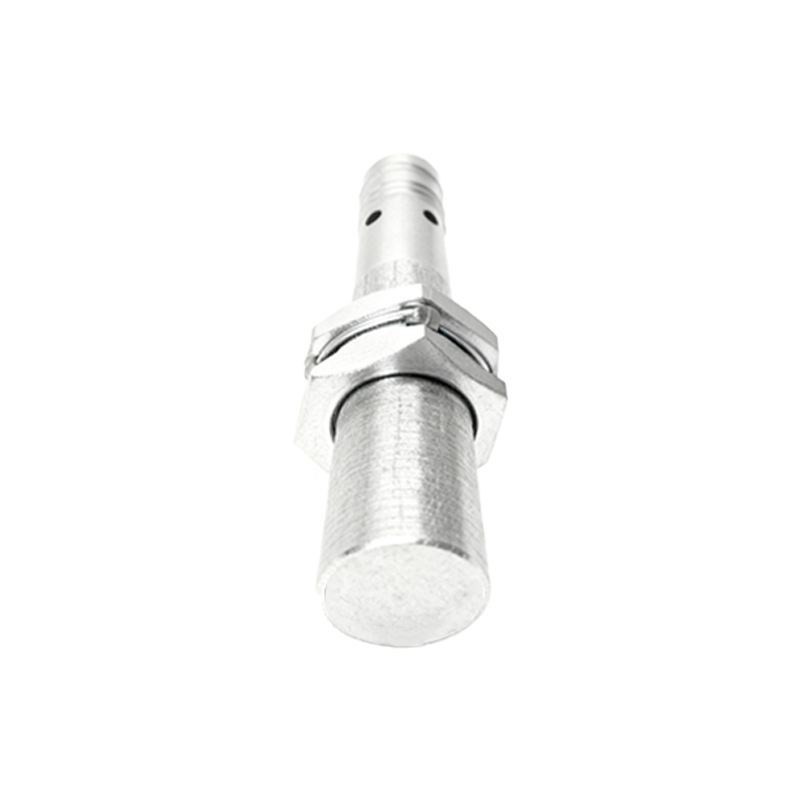
Third is electrical interfacing. Proximity sensors are available in various output configurations (NPN/PNP sinking/sourcing, normally open/closed) and voltage ratings (commonly 10-30V DC). The chosen output must be compatible with the input module of the controlling PLC. Proper wiring, shielding for noise immunity, and adherence to electrical codes are mandatory for stable operation.
Fourth is cylinder performance parameters. The choice of cylinder—bore size determining force, stroke length, cushioning requirements, and rod style—must align with the mechanical load and duty cycle. The integration of sensors should not impede the cylinder's mechanical movement or serviceability.
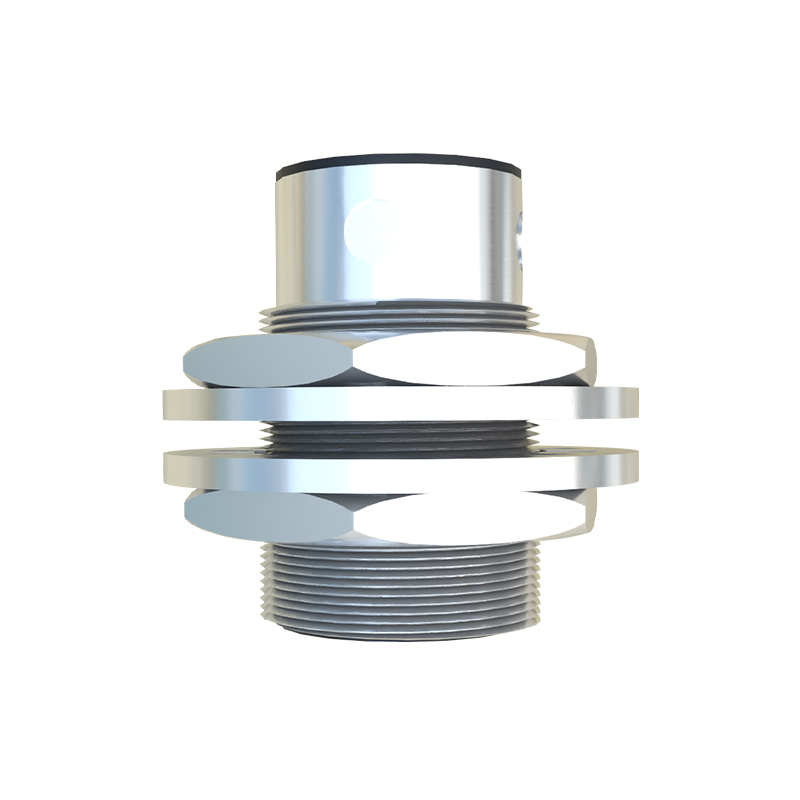
In practice, the combination enables sophisticated automation. In a pick-and-place system, a cylinder extends to pick a component. A sensor confirms the extended position, allowing a gripper to actuate. After gripping, the cylinder retracts, with another sensor confirming retraction before a rotary actuator indexes to the next position. This closed-loop feedback is vital for error-proofing and increasing overall equipment effectiveness (OEE).
Modern advancements continue to enhance this partnership. Cylinders with pre-drilled sensor mounting holes and embedded sensor slots are now standard. "Smart" sensors with integrated diagnostics (like IO-Link capability) can communicate detailed status—such as signal strength, temperature, or switch cycle count—to higher-level systems, facilitating predictive maintenance and reducing downtime.
In conclusion, the effective integration of proximity sensors and cylinders is a cornerstone of modern pneumatic automation. Success hinges on a thorough understanding of both components' specifications, a meticulous approach to system design considering environmental and electrical factors, and adherence to proper installation practices. When correctly implemented, this duo provides a reliable, cost-effective, and versatile solution for precise motion control across countless industrial applications, from packaging and assembly to material handling and machine tooling.