In the demanding world of industrial automation and process control, equipment reliability under extreme conditions is non-negotiable. Low temperature proximity sensors are critical components designed to operate flawlessly in harsh, sub-zero environments, from food and pharmaceutical cold storage to outdoor logistics in arctic climates and cryogenic processing. Selecting the right supplier is as crucial as selecting the sensor itself, impacting system uptime, maintenance costs, and overall operational safety. This guide outlines the primary channels for procuring these specialized devices, highlighting key considerations for engineers and procurement specialists.
The most direct and often most reliable source is through authorized distributors of major industrial automation brands. Leading manufacturers like Siemens, Pepperl+Fuchs, Omron, Balluff, and IFM Electronic have developed robust product lines specifically engineered for low-temperature performance, often rated down to -40°C or lower. Purchasing through their official distribution network guarantees access to genuine products, full technical specifications, comprehensive warranties, and direct application support. These distributors typically maintain detailed catalogs online, allowing for precise filtering based on sensing range, output type (e.g., PNP/NPN, analog, IO-Link), housing material (often stainless steel for corrosion resistance), and the critical low-temperature rating. For complex integration projects or custom requirements, engaging with these distributors or directly with the manufacturer's technical sales team is indispensable. They can provide CAD models, environmental compatibility charts, and guidance on installation practices to prevent condensation or icing that could affect performance.
For more specialized or cost-sensitive applications, exploring dedicated sensor manufacturers and niche industrial suppliers is highly recommended. Companies that focus specifically on sensor technology, such as Turck, SICK, or Carlo Gavazzi, frequently offer advanced solutions with enhanced resilience to thermal shock and condensation. Furthermore, suppliers catering to specific verticals like the food and beverage industry often carry sensors with FDA-compliant materials and designs suitable for washdown environments that also experience low temperatures. These suppliers can be found through industrial directories, trade association listings, or at major industry trade shows like Hannover Messe or SPS. When evaluating these suppliers, verify their testing data and certifications. Look for explicit statements regarding performance at stated low temperatures, not just storage ratings. Sensors might function at -30°C, but response time, sensing distance, and signal stability can degrade without proper design.
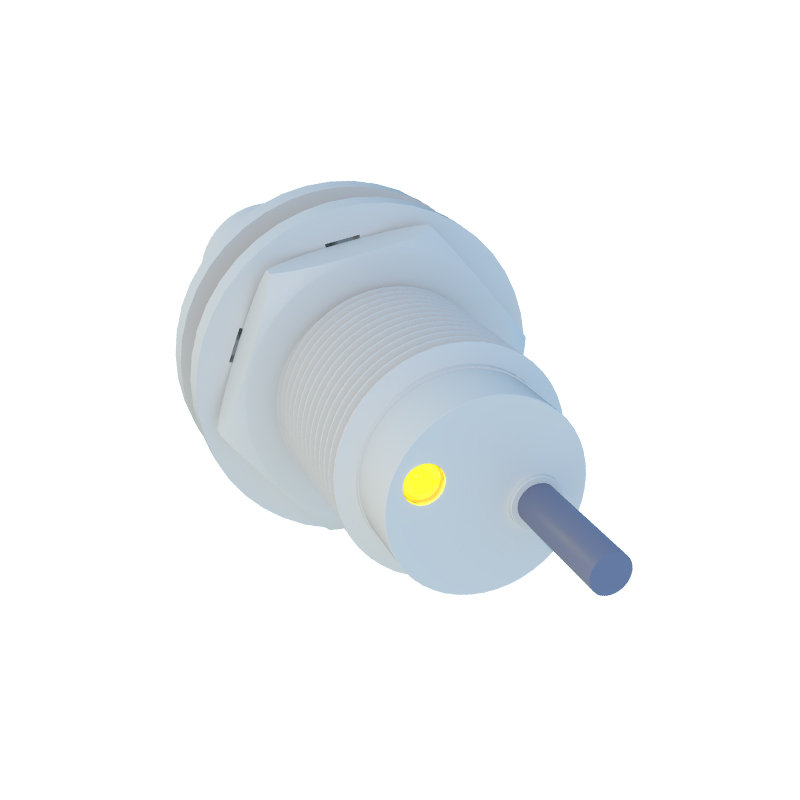
The digital marketplace has become a significant procurement tool. Established industrial e-commerce platforms like Allied Electronics, Digi-Key, and RS Components offer vast inventories of proximity sensors from hundreds of brands, complete with parametric search tools to filter by temperature range. This is excellent for comparing specifications, availability, and pricing across multiple manufacturers quickly. For businesses with recurring needs, exploring wholesale platforms like Alibaba or Thomasnet can connect you with OEM manufacturers, potentially offering volume pricing. However, extreme caution is advised when purchasing critical industrial components online. Always prioritize suppliers with verifiable authenticity, clear return policies, and accessible technical documentation. Beware of counterfeit products or sensors with misrepresented specifications, as a failure in a -20°C freezer farm or an outdoor automated guided vehicle (AGV) system can lead to significant production losses.
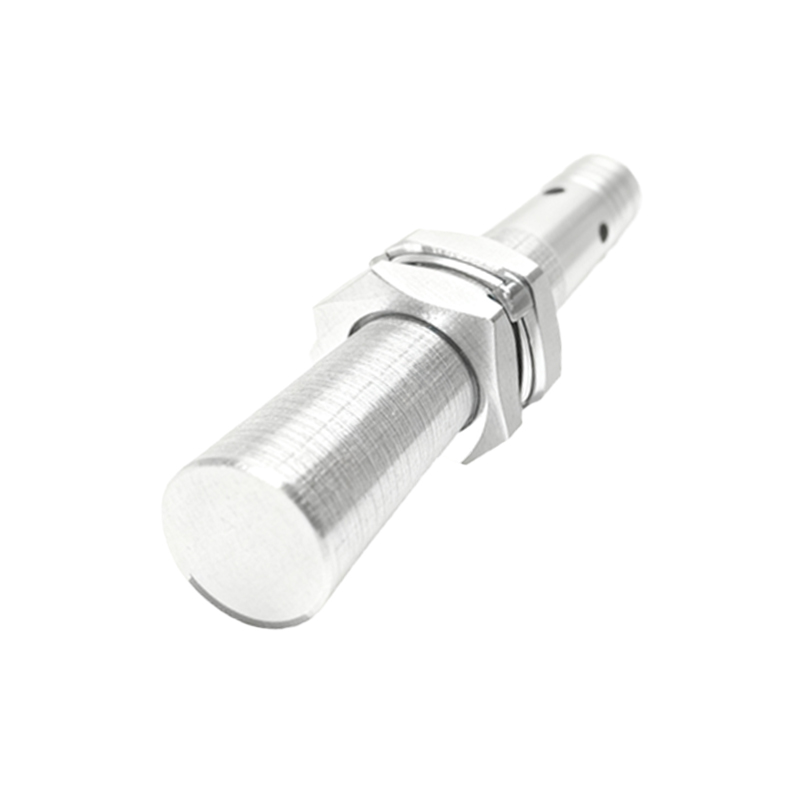
Beyond the initial purchase, consider the total cost of ownership. A reputable supplier provides not just a product but ongoing support. Key factors include: lead time and inventory availability to minimize downtime; access to technical support for troubleshooting; availability of accessories like cables and connectors rated for low temperatures; and clear documentation for installation and maintenance. Before finalizing a purchase, request product samples to perform real-world validation in your specific low-temperature environment. Test for consistent detection, housing integrity, and cable flexibility in the cold. Ultimately, the best place to buy a low temperature proximity sensor is from a technically competent, reliable supplier that understands your application's challenges and can partner with you to ensure long-term, reliable operation in the cold, ensuring your automated processes run without interruption.