In the rapidly evolving landscape of industrial automation and control systems, long-range proximity sensors stand as critical components, enabling non-contact detection of objects at significant distances. As a seasoned electrical engineer with decades of experience, I have witnessed the profound transformation within the manufacturing sector dedicated to these sophisticated devices. A leading long-range proximity sensor production plant is not merely a factory; it is a hub of precision engineering, rigorous testing, and relentless innovation.
The core of manufacturing excellence begins with advanced R&D. Top-tier facilities invest heavily in research to push the boundaries of sensing technologies, primarily inductive, capacitive, and ultrasonic principles, for extended ranges. Engineers focus on optimizing coil designs, signal processing algorithms, and housing materials to enhance sensing distance, immunity to environmental interference (like dust, moisture, and temperature fluctuations), and overall durability. The goal is to achieve reliable detection of metallic or non-metallic targets from distances that can exceed several meters, a capability essential for applications in large-scale material handling, automated warehousing, and vehicle guidance systems.
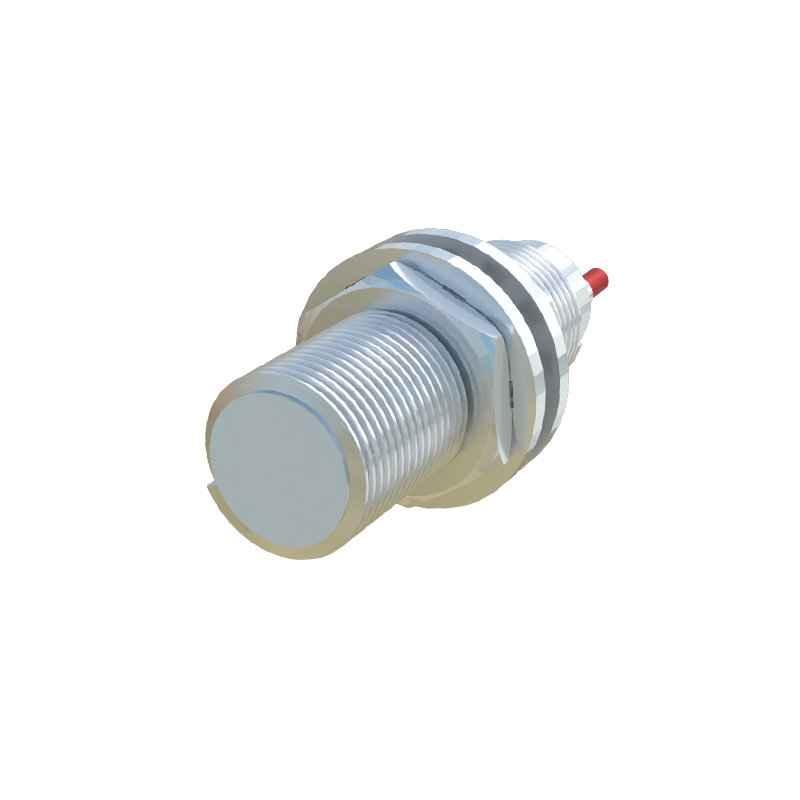
The production floor is a symphony of automation and skilled craftsmanship. Surface-mount technology (SMT) lines populate circuit boards with micro-components with micron-level accuracy. These boards, often the sensor's "brain," are then integrated into rugged housings, typically made from stainless steel or high-grade plastics, designed to withstand harsh industrial environments. A critical phase is the calibration and programming of each sensor. Using laser-calibrated test rigs, each unit is meticulously adjusted to ensure its output characteristics—be it analog (4-20mA, 0-10V) or digital (PNP/NPN, IO-Link)—meet exact specifications. This step is non-negotiable for guaranteeing consistency and performance.
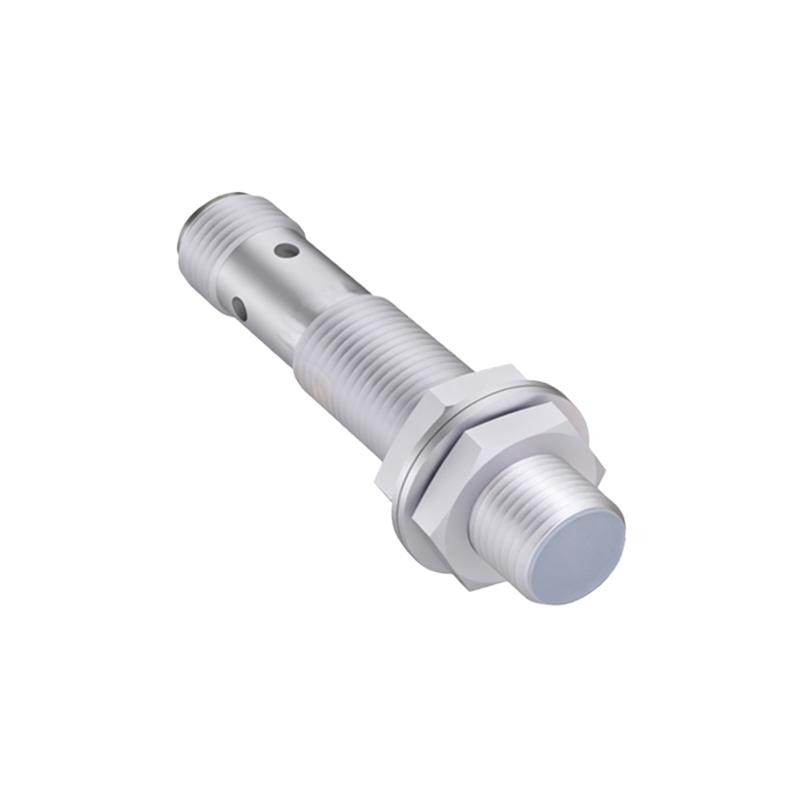
Quality assurance is the cornerstone of a reputable manufacturer. Beyond standard electrical tests, sensors undergo severe environmental stress screening: thermal cycling, vibration tests, ingress protection (IP67/IP69K) validation, and EMI/EMC compliance checks. This rigorous process ensures the sensors perform flawlessly in automotive assembly lines, food and beverage processing plants, lumber mills, and outdoor logistics yards. Traceability is paramount; each sensor can be tracked back to its production batch, component sources, and test logs.
The true value of these sensors is realized in their diverse industry applications. In the automotive sector, they guide autonomous mobile robots (AMRs) transporting parts across vast factory floors. In packaging, they detect the presence of products on high-speed conveyor belts from a safe distance, preventing jams. In agriculture and construction, robust long-range sensors monitor vehicle and equipment positions. Modern factories are increasingly integrating smart sensors with IO-Link communication, providing not just a switch signal but detailed diagnostic data (e.g., temperature, signal strength) for predictive maintenance, reducing downtime.
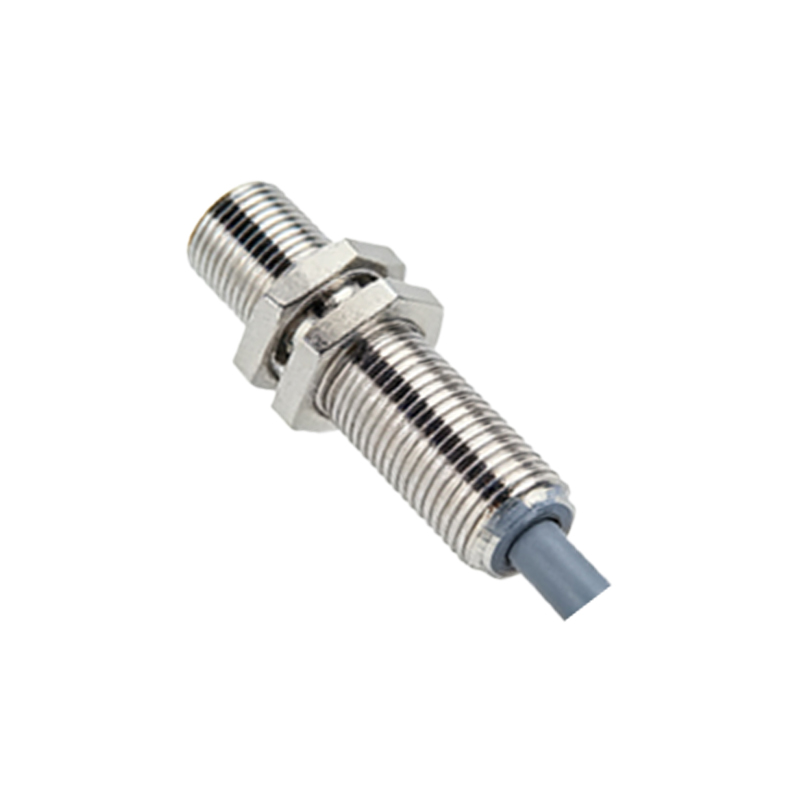
A forward-looking manufacturing plant also prioritizes customization. Understanding that no two applications are identical, engineering teams work closely with clients to develop bespoke solutions—special sensing ranges, unique form factors, or specific output configurations. This collaborative approach, coupled with robust global technical support, builds long-term partnerships.
In conclusion, the production of long-range proximity sensors is a testament to precision engineering meeting practical industrial demands. From the clean room to the final shipping crate, every step is governed by a commitment to reliability, innovation, and quality. As industries stride towards greater automation and connectivity, the manufacturers who master the intricacies of sensing technology, robust production, and application-specific solutions will continue to power the intelligent factories of today and tomorrow.