Proximity switch sensors are critical components in modern ice making machines, ensuring reliable operation, safety, and efficiency. These non-contact sensors detect the presence or absence of metallic targets, such as ice bin lids, ice thickness probes, or moving parts within the machine, without physical interaction. In industrial and commercial ice makers, their role is indispensable for automating processes and preventing mechanical failures.
Typically, inductive proximity sensors are employed in ice making equipment due to their ability to sense ferrous metals. They operate by generating an electromagnetic field; when a metal target enters this field, it induces eddy currents, causing a change in the sensor's oscillation amplitude. This change triggers a switch signal, which can control functions like stopping the ice harvest cycle when the bin is full or monitoring the position of the evaporator plate. For instance, in a flake ice machine, a proximity sensor might be installed to detect the rotation of the auger, ensuring it operates within safe parameters. If the auger stalls, the sensor sends a signal to halt the compressor, preventing damage and reducing energy waste.
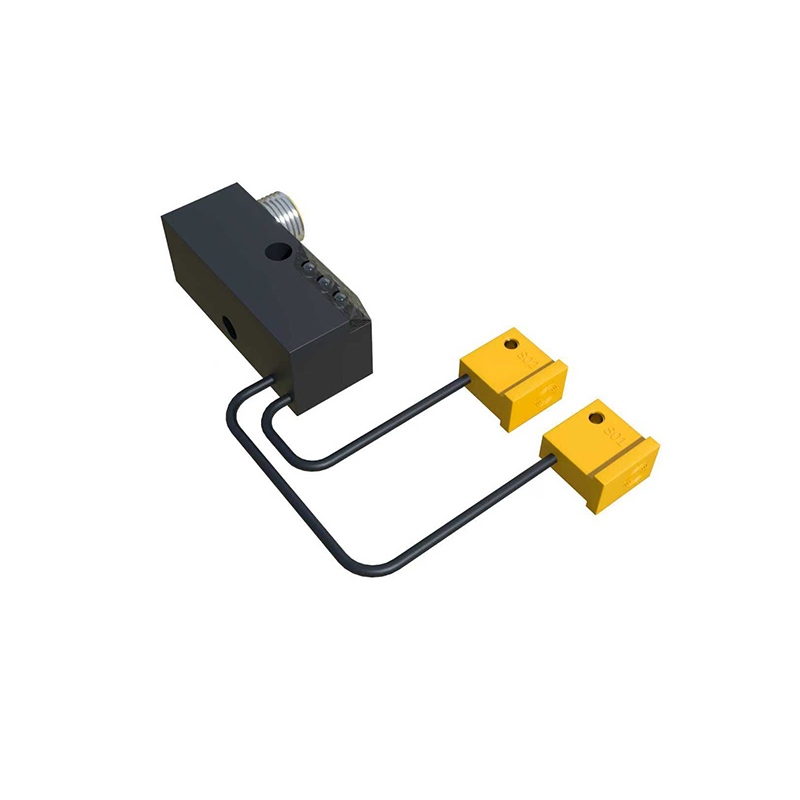
The selection of proximity sensors for ice makers depends on factors such as environmental conditions, target material, and required sensing distance. Ice machines often operate in humid, cold environments with potential water exposure, so sensors with high ingress protection (IP) ratings, like IP67 or IP69K, are preferred to resist moisture and corrosion. Stainless steel housings are common for durability. Additionally, the sensing range must be precise—usually between 2mm to 15mm for most applications—to avoid false triggers from ice buildup or vibrations.
Installation and maintenance are straightforward but require attention to detail. Sensors should be mounted securely to minimize vibration effects, and wiring must follow manufacturer guidelines to prevent electrical interference. Regular checks for debris or ice accumulation on the sensor face are essential, as contaminants can reduce sensitivity. In troubleshooting, common issues include sensor misalignment, worn-out targets, or electrical faults, which can lead to machine downtime. For example, if an ice maker fails to stop production when the bin is full, technicians might inspect the proximity sensor near the bin lid for proper alignment or signal output.
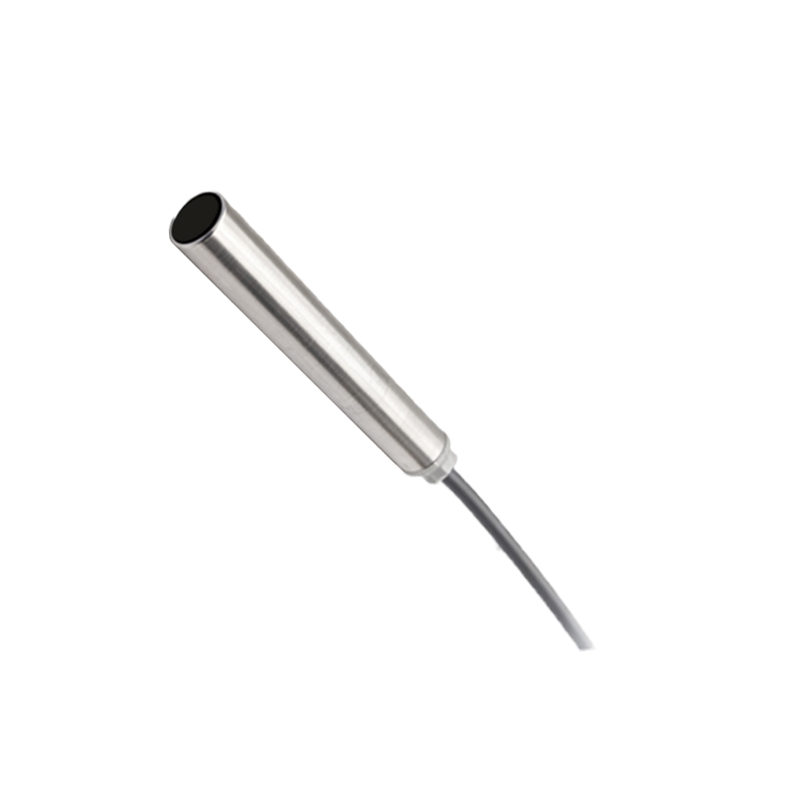
Advancements in sensor technology have enhanced ice maker performance. Modern proximity switches offer features like analog outputs for continuous monitoring, short-circuit protection, and compatibility with programmable logic controllers (PLCs). These innovations allow for smarter ice production, with real-time adjustments based on demand and conditions. In large-scale commercial units, such as those used in food processing or healthcare, integrating sensors with IoT systems enables remote monitoring and predictive maintenance, reducing operational costs.
In summary, proximity switch sensors are vital for the automation and reliability of ice making machines. Their non-contact nature, durability in harsh environments, and precision contribute to efficient ice production and longevity of equipment. As technology evolves, these sensors will continue to play a key role in optimizing ice maker designs for various industries.