In the rapidly evolving landscape of automotive electronics, the integration of sophisticated sensors into vehicle access systems has become paramount for enhancing security, convenience, and user experience. Among these critical components, the proximity sensor for the front cover of the left rear door handle plays a pivotal, though often understated, role. This article delves into the technical specifications, operational principles, integration challenges, and future trends associated with this specific sensor, providing a comprehensive overview for industry professionals.
Fundamentally, a proximity sensor in this context is a non-contact device designed to detect the presence of a user's hand or an object near the door handle's front cover. Its primary function is to initiate a "wake-up" signal for the vehicle's passive entry system. When an authorized key fob is in close range, the detection by this sensor triggers the vehicle to search for and authenticate the fob, subsequently enabling door unlocking without physical key insertion or button pressing. This seamless interaction is a cornerstone of modern keyless entry and keyless go systems.
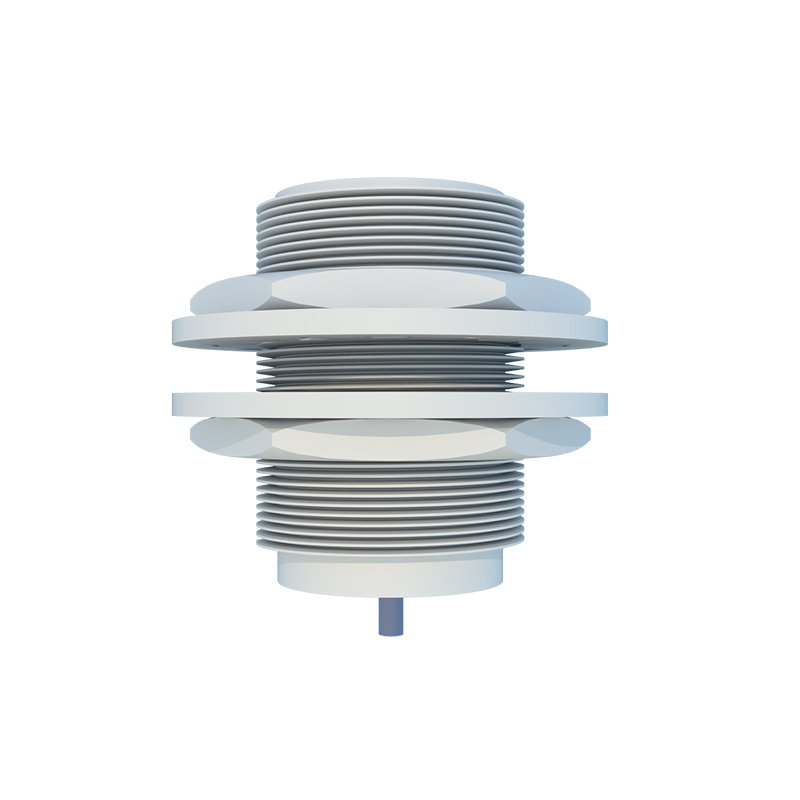
The most prevalent technology employed in these sensors is based on capacitive sensing. The sensor, typically embedded within or behind the polymer front cover of the door handle, creates an electrostatic field. The approach of a human hand, which has a different dielectric constant than air, causes a measurable change in capacitance. This change is detected by an integrated circuit, which then sends a digital signal to the vehicle's central body control module (BCM) or a dedicated door control unit. Alternative technologies, such as infrared or inductive sensors, are less common for this application due to factors like cost, susceptibility to environmental conditions, or packaging constraints.
Key design considerations for the left rear door handle front cover proximity sensor are multifaceted. Environmental robustness is non-negotiable. The sensor must operate reliably across an extreme temperature range, from -40°C to +85°C, and withstand prolonged exposure to moisture, humidity, road salts, and UV radiation. The sensor's detection range and sensitivity must be precisely calibrated. A range that is too short may fail to detect a user's approach, while one that is too long may cause false triggers from passing objects or rain, leading to unnecessary battery drain in the vehicle's control units. The calibration must account for the specific dielectric properties of the door handle cover material, whether it is chrome-plated plastic, painted, or contains metallic inserts, as these materials can significantly influence the electrostatic field.
Electromagnetic compatibility (EMC) is another critical challenge. The sensor and its associated wiring, often running through the door harness, must be immune to interference from onboard systems like the powertrain control module, infotainment systems, and cellular modules. Conversely, the sensor's operation must not emit interference that disrupts other vehicle electronics. Shielding, filtering, and careful PCB layout are essential design practices.
Integration into the vehicle's electrical architecture involves more than just physical mounting. The sensor is a node on a Local Interconnect Network (LIN) or Controller Area Network (CAN) bus. Its communication protocol must be flawless, reporting its status (e.g., "target detected," "fault condition") to the BCM. Power management is also crucial; the sensor often operates in a low-power sleep mode, periodically polling for a detection event to minimize the quiescent current draw on the vehicle's battery.
From a manufacturing and service perspective, the sensor is usually a sealed, non-serviceable unit integrated with the door handle assembly or supplied as a separate module. Diagnostic capabilities are built-in, allowing technicians to read fault codes related to sensor plausibility, signal shorts, or open circuits using standard automotive diagnostic tools.
Looking forward, the role of this sensor is set to expand within the framework of advanced driver-assistance systems (ADAS) and personalized user profiles. Future iterations may incorporate more advanced sensing, such as the ability to distinguish between an intentional grasp and an accidental brush, or even integrate with gesture control for more complex commands. As vehicles move towards fully automated doors in some premium segments, the reliability and precision of these proximity sensors will become even more critical.
In conclusion, the proximity sensor for the front cover of the left rear door handle is a marvel of miniaturized, robust automotive electronics. Its successful implementation requires a deep synergy between electrical engineering, materials science, software integration, and an intimate understanding of the automotive environment. It is a silent enabler, a small but vital component that contributes significantly to the perceived quality and technological sophistication of the modern automobile.