In the rapidly evolving industrial landscape of Jinwan District, proximity sensors have become indispensable components for automation, safety, and efficiency. As a seasoned electrical engineer with extensive experience in industrial applications, I aim to provide a comprehensive overview of the proximity sensor supply ecosystem in this dynamic region. Jinwan, a key industrial hub, hosts a diverse array of suppliers catering to various sectors, including manufacturing, automotive, aerospace, and logistics.
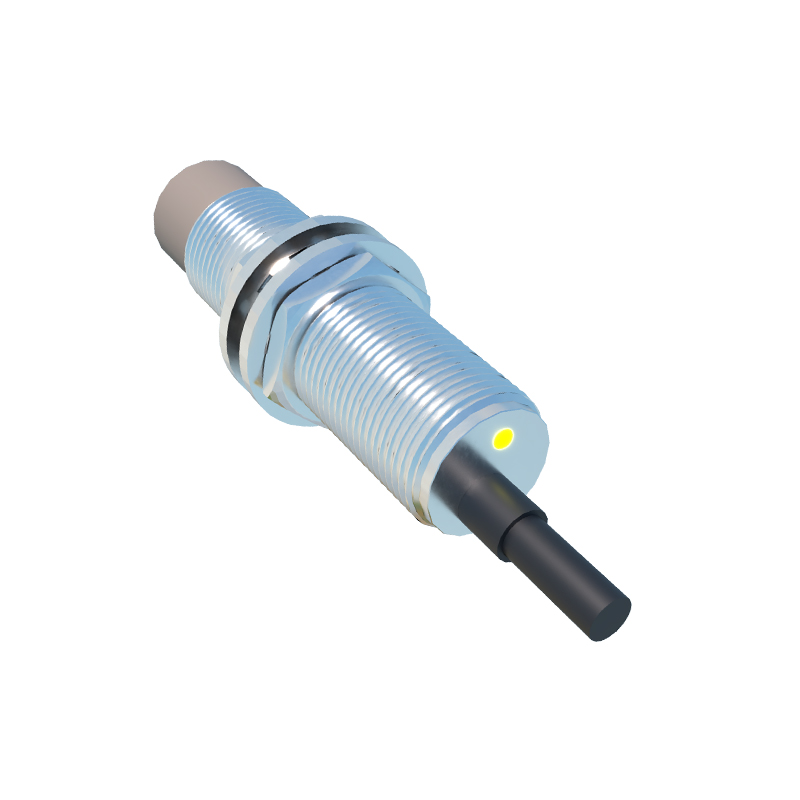
Proximity sensors, which detect the presence or absence of objects without physical contact, are critical for modern automation systems. They come in several types, such as inductive, capacitive, ultrasonic, and photoelectric sensors, each suited to specific environments and materials. In Jinwan, suppliers typically offer a wide range of these sensors, ensuring that industries can find solutions tailored to their needs. For instance, inductive sensors are popular in metal detection applications within manufacturing plants, while capacitive sensors excel in liquid level sensing in chemical processing.
When selecting a proximity sensor supplier in Jinwan, several factors must be considered. First, reliability and product quality are paramount. Reputable suppliers in the district often adhere to international standards like ISO 9001, ensuring consistent performance and durability. Second, technical support and customization capabilities are crucial. Many Jinwan-based suppliers provide engineering assistance to help clients integrate sensors into complex systems, offering modifications for harsh conditions like high temperatures or corrosive environments. Third, supply chain efficiency is key, with local suppliers leveraging Jinwan's logistical advantages to offer timely delivery and reduce downtime for businesses.
The market in Jinwan is characterized by both global brands and local manufacturers. International companies often bring cutting-edge technology and extensive R&D resources, while local suppliers may offer cost-effective solutions and faster response times. This diversity allows customers to balance budget constraints with performance requirements. For example, some suppliers specialize in high-precision sensors for robotics in aerospace, whereas others focus on robust sensors for heavy machinery in construction.
In terms of applications, proximity sensors from Jinwan suppliers are widely used in automated assembly lines, where they ensure precise positioning of components, and in safety systems, where they prevent accidents by detecting human presence near hazardous machinery. Additionally, the growth of smart factories and Industry 4.0 initiatives in Jinwan has driven demand for sensors with IoT connectivity, enabling real-time monitoring and data analytics. Suppliers are increasingly incorporating features like IO-Link and Ethernet compatibility to meet these trends.
To navigate this market effectively, engineers and procurement professionals should conduct thorough evaluations. Visiting supplier facilities in Jinwan can provide insights into production processes and quality control measures. Attending local industrial expos or trade shows, such as those held in Zhuhai (which includes Jinwan), is also beneficial for networking and comparing products. Moreover, reviewing case studies and customer testimonials can highlight a supplier's track record in similar industries.
In conclusion, Jinwan District offers a robust and competitive landscape for proximity sensor procurement. By focusing on quality, support, and application-specific needs, businesses can leverage local suppliers to enhance their operational efficiency. As technology advances, we can expect Jinwan's suppliers to continue innovating, providing sensors that meet the demands of next-generation industrial automation. For those in the electrical and engineering fields, staying informed about these developments is essential for making informed decisions in a fast-paced market.