Low temperature proximity sensors are specialized devices designed to operate reliably in extreme cold environments, typically ranging from -40°C to as low as -196°C in some industrial applications. These sensors are crucial in industries such as cryogenics, frozen food processing, outdoor automation in polar regions, and aerospace. The cost of these sensors varies significantly based on several factors, including sensing technology, temperature range, housing material, output type, and certification requirements.
Generally, the price range for low temperature proximity sensors can be broad. Basic inductive or capacitive sensors rated for -40°C might start from $50 to $150 per unit. These are often used in commercial refrigeration or cold storage logistics. For more demanding applications, such as liquid nitrogen handling or Arctic oil and gas operations, sensors with extended temperature ranges (e.g., -60°C to -100°C) and robust stainless steel or specialized polymer housings can cost between $200 and $500 each. High-end models featuring advanced technologies like ultrasonic or infrared sensing, explosion-proof ratings, or custom calibration for cryogenic temperatures may exceed $1,000 per sensor.
Key factors influencing pricing include the sensing technology. Inductive sensors, common for metal detection, are usually more affordable, while capacitive sensors for non-metallic materials or ultrasonic sensors for distance measurement in frost-prone areas tend to be pricier. The construction materials also play a vital role; sensors with IP67 or higher ingress protection and corrosion-resistant coatings add to the cost. Additionally, certifications like ATEX for hazardous environments or compliance with industry standards (e.g., IEC 60947) can increase prices by 20-30%.
When purchasing, it's essential to consider total cost of ownership, not just the initial price. Factors such as durability, maintenance needs, and compatibility with existing systems impact long-term value. For bulk orders in industrial settings, suppliers often offer discounts, but custom configurations might lead to higher upfront costs. Leading manufacturers like Pepperl+Fuchs, Siemens, Omron, and Balluff provide a range of options, with prices reflecting their brand reputation and support services.
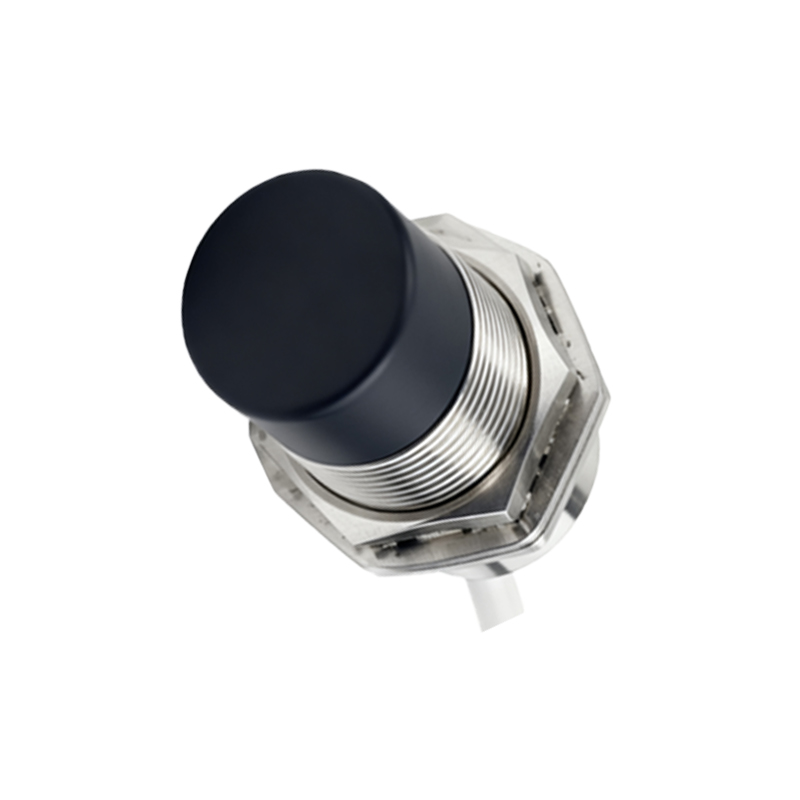
In summary, while low temperature proximity sensors represent a higher investment compared to standard sensors, their reliability in harsh conditions justifies the expense. Prices are influenced by technical specifications and application demands, so evaluating operational requirements is key to selecting a cost-effective solution.