In the realm of industrial automation and control systems, proximity sensors play a pivotal role in detecting the presence or absence of objects without physical contact. Among the diverse types available, ring-shaped non-metal proximity sensors stand out for their unique design and specialized applications. This article delves into the fundamentals, working principles, and key advantages of these sensors, providing a comprehensive overview for engineers and industry professionals.
A ring-shaped non-metal proximity sensor is a type of sensor designed to detect non-metallic objects, such as plastics, glass, wood, or liquids, by utilizing a ring-like structure that allows objects to pass through its center. Unlike traditional inductive proximity sensors, which primarily detect metallic targets, these sensors employ capacitive or ultrasonic sensing technologies to identify materials that are typically non-conductive. The ring shape is particularly advantageous for applications involving continuous material flow, such as in packaging, bottling, or assembly lines, where objects need to be monitored as they move along a conveyor or through a pipeline.
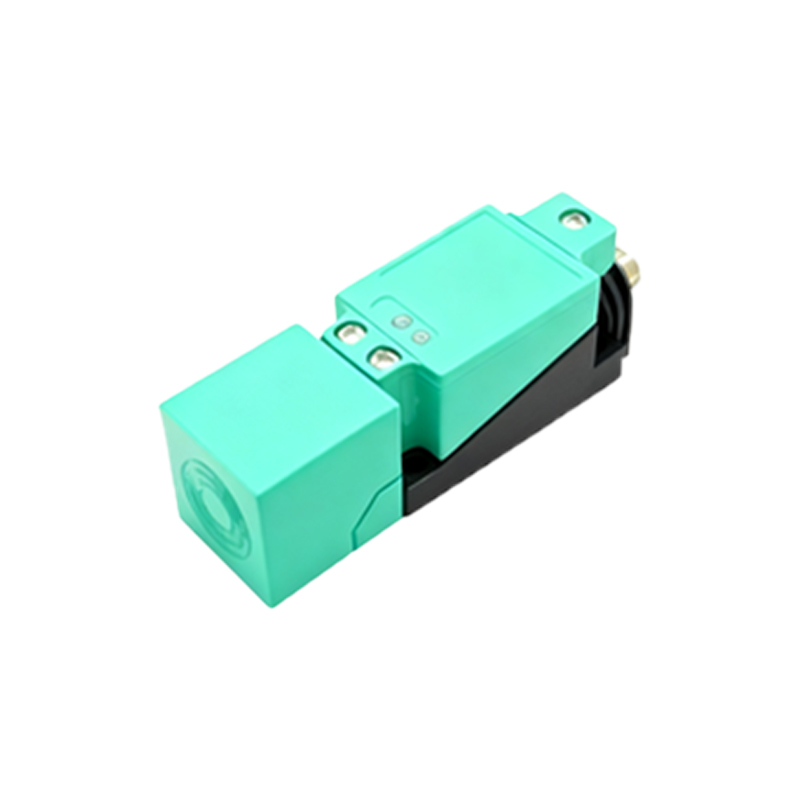
The working principle of ring-shaped non-metal proximity sensors is based on changes in capacitance or sound wave reflection. In capacitive versions, the sensor generates an electrostatic field around its ring. When a non-metallic object enters this field, it alters the dielectric constant, causing a detectable change in capacitance that triggers the sensor's output. This method is highly effective for materials with varying densities or compositions, making it versatile for industries like food processing or pharmaceuticals. Ultrasonic ring sensors, on the other hand, emit high-frequency sound waves through the ring's aperture. The presence of an object disrupts the wave pattern, and the sensor analyzes the reflected signals to determine object detection. This technology is ideal for environments with dust, moisture, or other contaminants that might interfere with optical sensors.
One of the primary benefits of ring-shaped non-metal proximity sensors is their non-invasive design. The ring allows objects to pass through freely without mechanical contact, reducing wear and tear and minimizing maintenance needs. This feature is crucial in sensitive applications where product integrity must be preserved, such as in the handling of fragile items or sterile materials. Additionally, these sensors offer high precision and reliability, with adjustable sensitivity settings to accommodate different object sizes and material types. Their ability to operate in harsh conditions—resistant to chemicals, temperature fluctuations, and vibration—makes them suitable for demanding industrial settings like manufacturing plants or wastewater treatment facilities.
In practice, ring-shaped non-metal proximity sensors are widely used across various sectors. In the packaging industry, they ensure correct positioning of containers or labels on production lines. In automotive manufacturing, they detect plastic components during assembly processes. The food and beverage sector relies on them for monitoring liquid levels in pipes or detecting leaks. When selecting a sensor for a specific application, factors such as ring diameter, sensing range, output type (e.g., analog or digital), and environmental ratings should be considered to optimize performance.
Despite their advantages, these sensors do have limitations. They may be less effective with very thin or transparent materials, and their accuracy can be influenced by external factors like humidity or electrical noise. Regular calibration and proper installation are essential to mitigate these issues. Looking ahead, advancements in sensor technology, such as integration with IoT systems for real-time data analytics, are expected to enhance their functionality and expand their use in smart factories and automated logistics.
In summary, ring-shaped non-metal proximity sensors are indispensable tools in modern industrial automation, offering efficient, contactless detection for non-metallic objects. Their specialized design and adaptable sensing methods make them a valuable asset for improving productivity and quality control in diverse applications. As industries continue to evolve toward greater automation, understanding and leveraging these sensors will be key to achieving operational excellence.