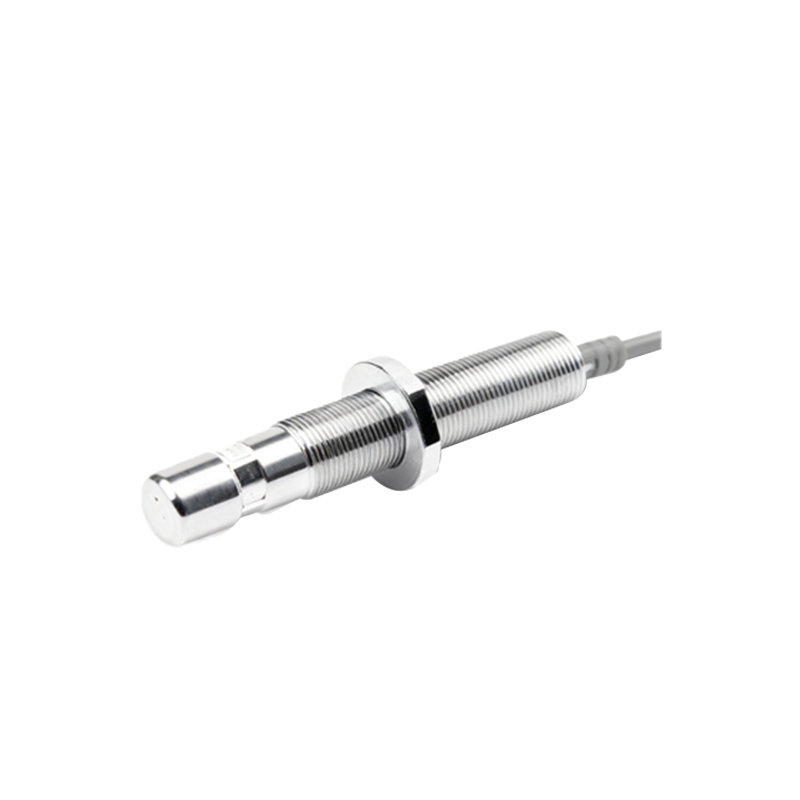
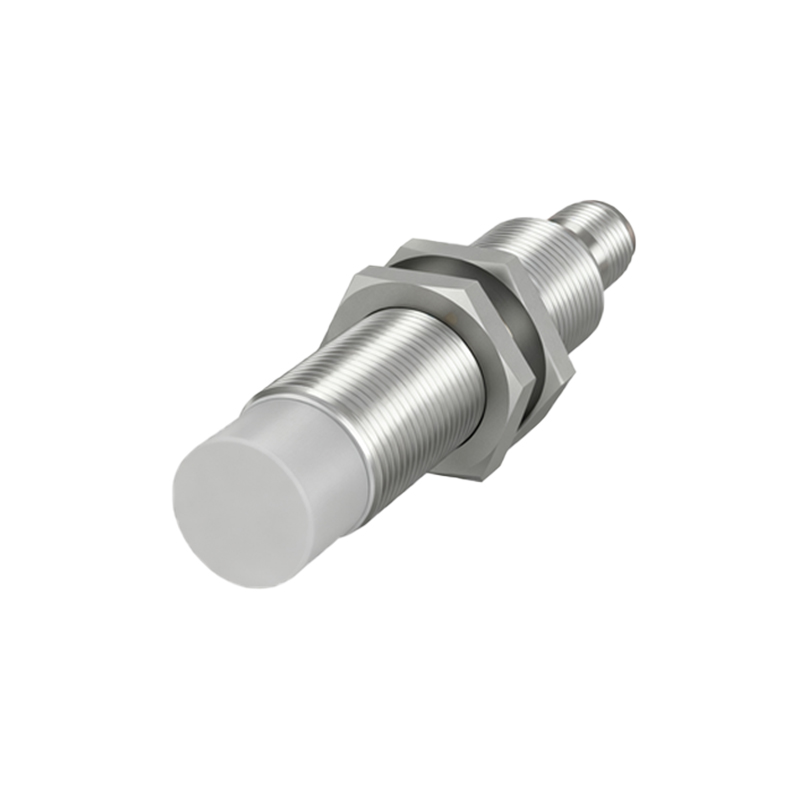
Proximity sensors are ubiquitous in modern industrial automation, robotics, and consumer electronics, performing the critical task of detecting the presence or absence of an object without physical contact. Their internal operation is a fascinating interplay of physics and electronics. Fundamentally, these sensors work by emitting a field or beam of electromagnetic radiation and analyzing changes in the returned signal or the field itself when an object enters its effective range. The absence of mechanical contact grants them high reliability, long operational life, and the ability to detect fragile, small, or fast-moving objects.
The internal principle varies significantly based on the underlying technology. The most common types are inductive, capacitive, photoelectric, and ultrasonic proximity sensors.
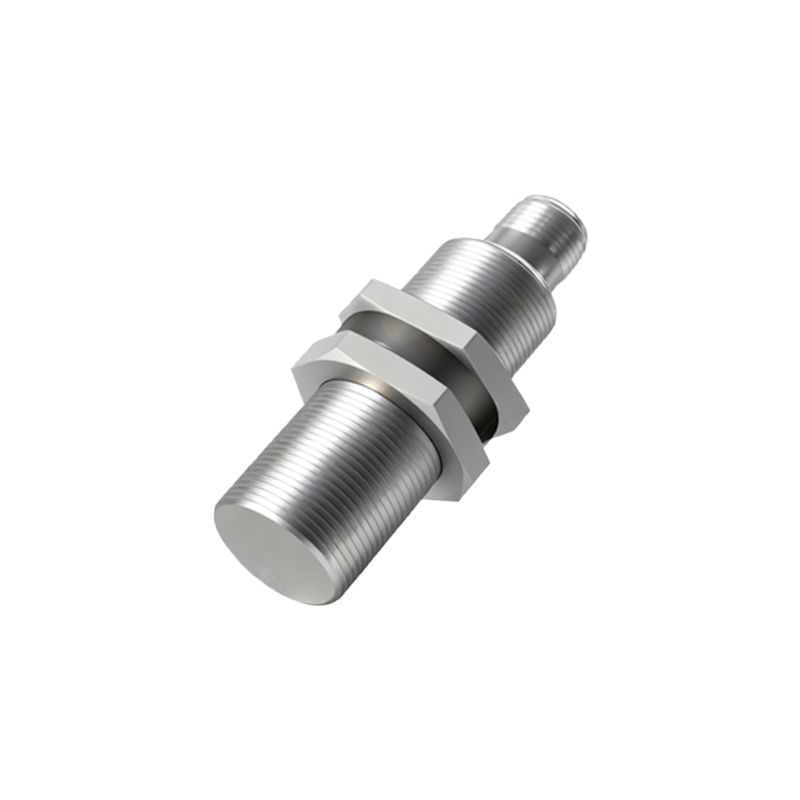
Inductive Proximity Sensors: These are the workhorses for detecting metallic objects, primarily ferrous metals like steel and iron. Internally, the core component is an oscillator circuit that generates a high-frequency electromagnetic field at the sensing face, which is created by a coil wound around a ferrite core. When a conductive metal object enters this alternating magnetic field, eddy currents are induced on the object's surface. These eddy currents draw energy from the oscillator, causing a measurable drop in its oscillation amplitude. A subsequent trigger circuit, often a Schmitt trigger, monitors this amplitude. Once the amplitude reduction exceeds a predefined threshold, the circuit switches the sensor's output state (e.g., from OFF to ON). The sensing range is influenced by the metal's conductivity and permeability; typically, ferrous metals are detected at longer ranges than non-ferrous metals like aluminum or copper. Advanced models incorporate shielding to focus the field axially, preventing false triggers from adjacent metal, while unshielded versions have a larger lateral sensing field.
Capacitive Proximity Sensors: These sensors can detect nearly any material—metals, plastics, wood, liquids, and granular substances. Their internal principle relies on changes in capacitance. The sensor face acts as one plate of a capacitor, with the target object acting as the other plate, and the air gap as the dielectric. Internally, an oscillator circuit is connected to this sensing electrode. As an object approaches, the capacitance between the electrode and the object increases. This change in capacitance alters the oscillator's characteristics, typically increasing its amplitude. A detection circuit evaluates this change. To compensate for background capacitance from the sensor's installation environment, these sensors feature a sensitivity adjustment potentiometer. This allows tuning to ignore a container wall, for instance, while detecting the material inside. Their internal design often includes a guard ring surrounding the active electrode to shape the electrostatic field, improving directionality and stability.
Photoelectric Sensors: These operate on the principle of light beam modulation. Internally, they consist of a light emitter (usually an LED producing visible red, infrared, or laser light) and a photoreceiver (a phototransistor or photodiode). There are three main configurations with distinct internal workings. In the through-beam type, the emitter and receiver are separate units. The internal circuit in the receiver monitors the light intensity. An object is detected when it interrupts the beam, causing a significant drop in received light. The retro-reflective type houses both emitter and receiver in one housing, relying on a reflector. The receiver circuit is tuned to the modulated light frequency to ignore ambient light. Detection occurs when the object breaks the beam to the reflector. The most complex is the diffuse (proximity) mode, where the sensor uses the target as the reflector. The emitted light strikes the object and scatters back. The internal receiver circuit must be highly sensitive to detect this weak, diffuse reflection. Advanced designs use background suppression techniques, either mechanically with triangulation optics or electronically, to detect objects only within a precise distance window, ignoring more distant surfaces.
Ultrasonic Proximity Sensors: These use sound waves beyond human hearing. Internally, a piezoelectric transducer acts as both transmitter and receiver. The electronic circuit generates a burst of high-frequency ultrasonic pulses (e.g., 200 kHz). These pulses travel through the air, hit an object, and reflect back to the sensor. The same transducer then converts the returning sound pressure into an electrical signal. The core internal circuitry is a high-precision timer that measures the time interval between the emission of the pulse and the reception of its echo. Using the known speed of sound in air, the sensor's microprocessor calculates the distance to the object. This time-of-flight principle allows for precise distance measurement, not just presence detection. Internal temperature compensation is often included, as the speed of sound varies with air temperature.
Beyond the primary sensing element, the internal architecture of any proximity sensor includes several common blocks: a power supply regulator to ensure stable operation across voltage ranges, a signal conditioning circuit to filter noise and amplify the weak detection signal, a stable output driver (