In the realm of industrial automation and control systems, the NPN proximity switch sensor stands as a fundamental component for non-contact object detection. Among its various configurations, the three-wire NPN sensor is arguably the most prevalent and essential. This article delves into the operational principles, wiring methodologies, practical applications, and key considerations for engineers working with these ubiquitous devices.
At its core, an NPN proximity sensor is a solid-state electronic device that detects the presence or absence of a metallic target without physical contact. It operates on the principle of electromagnetic induction or, in the case of capacitive versions, changes in capacitance. The "NPN" designation refers to the type of output transistor used within the sensor's circuitry. In an NPN configuration, the output transistor switches the negative or ground side of the load. This is a critical distinction from its PNP counterpart, which switches the positive side.
The three wires of a standard NPN proximity sensor are color-coded for universal identification, typically brown, blue, and black. The brown wire is connected to the positive supply voltage (V+), commonly +24V DC in industrial settings. The blue wire is connected to the common ground or 0V. The black wire is the signal output line. When the sensor is in its normal state (no target detected), the NPN transistor is off, and the black wire is effectively disconnected from the internal circuit. Upon detecting a valid target within its sensing range, the internal NPN transistor turns on, creating a path to ground (through the blue wire). This allows current to flow from the positive supply, through the load connected to the black wire, and down to ground, thereby activating the connected device, such as a PLC input, relay, or indicator lamp.
A crucial concept for proper integration is the "sinking" versus "sourcing" input paradigm of Programmable Logic Controllers (PLCs). An NPN sensor is inherently a "sinking" output device. It provides a path to ground when active. Therefore, it must be connected to a PLC input card configured as a "sourcing" input. This complementary pairing ensures a complete circuit. Attempting to connect an NPN sensor to a sinking PLC input will result in a non-functional system. Understanding this relationship is paramount to avoiding common wiring errors.
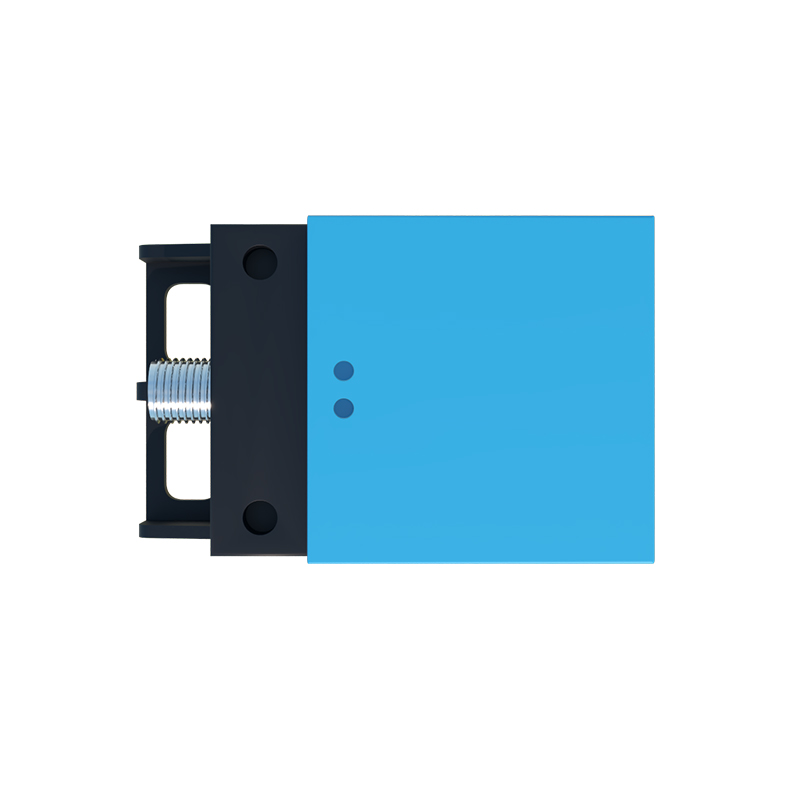
The advantages of three-wire NPN sensors are numerous. They offer fast response times, high switching frequencies, and excellent longevity due to the absence of mechanical moving parts. Their solid-state construction makes them resistant to vibration, contamination, and wear. The three-wire design provides a dedicated output line, allowing for more straightforward diagnostics and interfacing compared to two-wire versions. Common applications are vast, including position sensing on conveyor belts, part counting in assembly lines, limit switching in machinery, and detecting the presence of tools or products.
When selecting and installing a three-wire NPN proximity sensor, several factors must be considered. The sensing range, or the maximum distance at which it can reliably detect a standard target, is a primary specification. The material of the target (e.g., steel, aluminum, brass) also affects performance, as ferrous metals are typically detected at greater ranges. Environmental conditions such as temperature extremes, humidity, and the presence of cutting fluids or metallic dust must be matched with an appropriate sensor housing rating (e.g., IP67 for washdown environments). Electrical characteristics, including operating voltage range, current consumption, and output current capacity, must align with the power supply and load requirements.
Installation is straightforward but requires attention to detail. Ensure the power is disconnected before wiring. Mount the sensor securely, paying attention to its recommended mounting style (flush or non-flush) and any required lateral or axial spacing from metal surfaces to prevent false triggering. Always refer to the manufacturer's datasheet for specific wiring diagrams and specifications. For testing, a simple multimeter can be used to check for voltage on the black output wire when a target is presented.
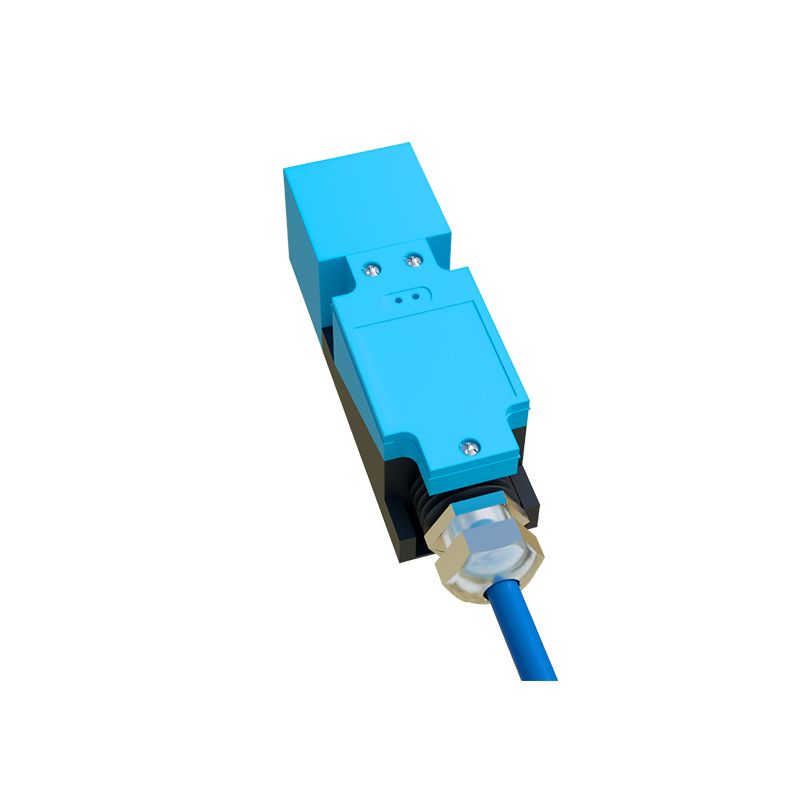
In troubleshooting, common issues often stem from incorrect wiring (NPN sensor to sinking PLC input), insufficient power supply, an out-of-range target, or sensor damage. Verifying the voltage between brown (+) and blue (-) wires is the first step, followed by checking if the output black wire switches to near 0V relative to blue when a target is present.
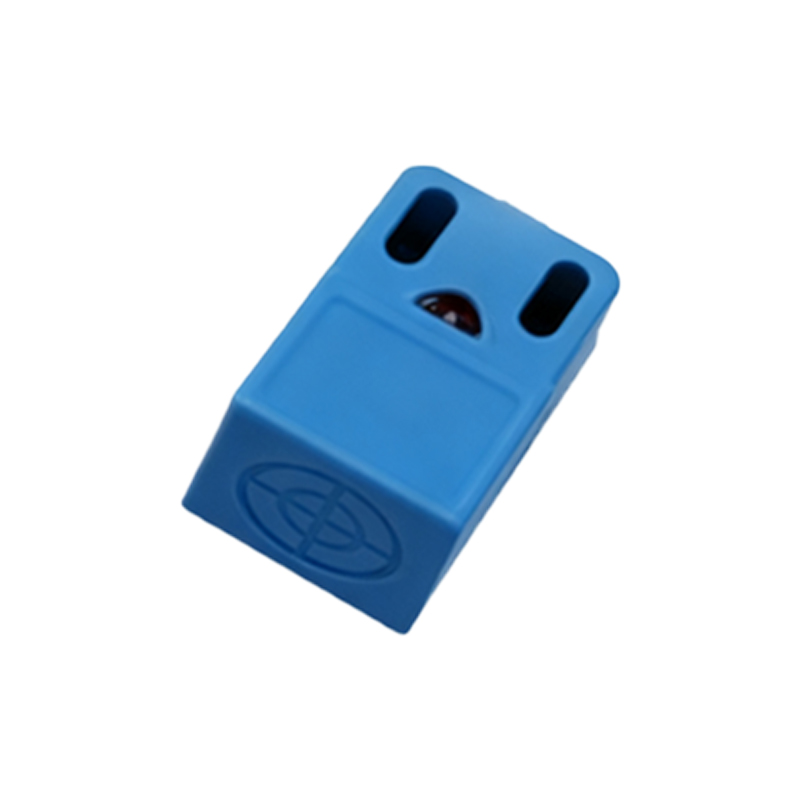
In conclusion, the three-wire NPN proximity switch sensor is a versatile, reliable, and indispensable tool in electrical engineering and automation. Its operation, centered on a sinking NPN transistor output, defines its wiring requirements and compatibility with control systems. A firm grasp of its principles, coupled with careful selection and installation practices, enables engineers to design robust, efficient, and maintainable sensing solutions for a wide array of industrial challenges. As technology advances, these sensors continue to evolve with enhanced features like IO-Link connectivity