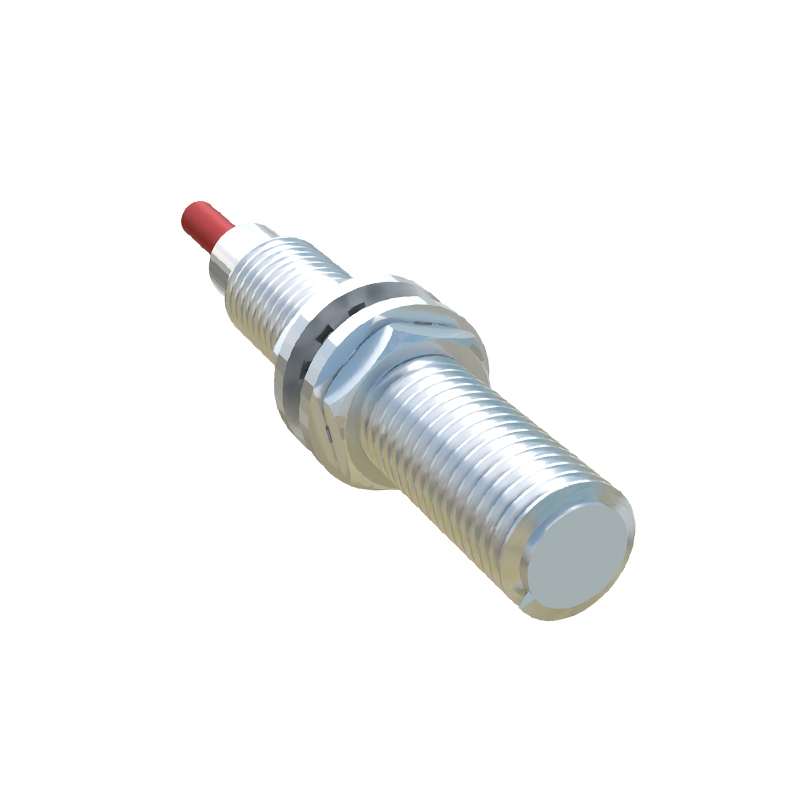
Proximity switch sensors, the silent sentinels of modern industrial automation, are fundamental components that enable non-contact detection of metallic and, in some cases, non-metallic objects. As a cornerstone of countless applications—from assembly line object counting and machine tool positioning to safety interlocking and robotic guidance—their reliability and precision are paramount. This article delves into the intricate world of proximity sensor manufacturing, exploring the core technologies, production processes, and stringent quality controls that define a world-class production facility.
The manufacturing journey begins with the sensor's core technology. The most prevalent type is the inductive proximity sensor, designed to detect ferrous and non-ferrous metals. Its operation hinges on an oscillator circuit generating a high-frequency electromagnetic field from a coil wound around a ferrite core within the sensing face. When a metallic target enters this field, eddy currents are induced, causing a change in the oscillator's amplitude. This change is detected, processed, and converted into a clean, amplified output signal (typically PNP/NPN) that switches the state of the sensor. Capacitive sensors, capable of detecting a wider range of materials including liquids and plastics, operate on a similar principle but measure changes in capacitance. Manufacturing plants often specialize in one primary technology or maintain separate, controlled production lines for each to ensure process purity and expertise.
A state-of-the-art production facility is a symphony of precision engineering and automated assembly. The process is segmented into several critical stages. First, the electronic components—the ASIC (Application-Specific Integrated Circuit), oscillator components, and output transistors—are sourced and subjected to rigorous incoming inspection. Surface-mount technology (SMT) lines then populate printed circuit boards (PCBs) with microscopic accuracy. These populated PCBs undergo automated optical inspection (AOI) and in-circuit testing (ICT) to verify solder joint integrity and electrical functionality before proceeding.
Concurrently, the mechanical housing is manufactured. For industrial-grade sensors, this typically involves machining or molding high-quality materials like nickel-plated brass, stainless steel (V2A/V4A), or PBT thermoplastic. The housing must provide exceptional environmental protection, often meeting IP67, IP68, or IP69K ratings. The coil winding process is particularly critical for inductive sensors. Automated winding machines ensure consistent turns, tension, and alignment, which directly impact the sensor's sensitivity, switching distance, and temperature stability. The wound coil is then potted with a specialized epoxy resin within its housing. This potting compound is not merely a filler; it is engineered for specific thermal expansion properties, chemical resistance, and exceptional mechanical robustness to protect the delicate internals from shock, vibration, and harsh industrial contaminants like coolants and metal shavings.
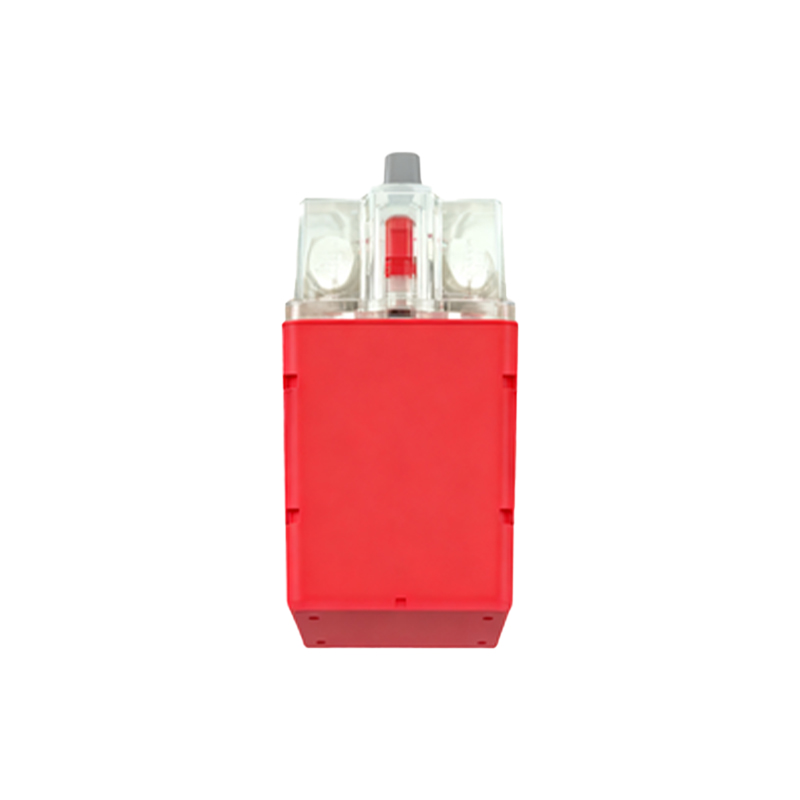
Following sub-assembly, the core electronic module is integrated into the potted housing. Laser welding or specialized sealing techniques are employed to hermetically seal the sensing face, creating a barrier that is impervious to ingress but perfectly transparent to the electromagnetic field. This step is crucial for long-term reliability. The nearly complete sensor then enters the calibration and final testing phase, the most demanding part of the production cycle.
Here, every single sensor is subjected to a battery of automated tests. Key parameters verified include the rated operating distance (Sn), hysteresis, repeat accuracy, output switching characteristics, and temperature drift. Sensors are cycled thousands of times under load to simulate years of operation. Environmental stress screening (ESS), involving temperature cycling from extreme cold to heat and exposure to specified humidity levels, weeds out early-life failures. Only sensors passing all electrical, functional, and environmental tests receive final laser marking with their unique serial number, type code, and certifications.
Quality assurance is the bedrock of a reputable manufacturer. Beyond final testing, this involves a holistic approach adhering to international standards like IEC 60947-5-2. A comprehensive quality management system (QMS), typically ISO 9001 certified, governs every step from design and procurement to production and shipping. Statistical process control (SPC) monitors key production variables in real-time, allowing for preemptive corrections. Furthermore, leading manufacturers invest heavily in research and development (R&D) labs to pioneer new sensing technologies, enhance existing product lines for higher switching frequencies or longer ranges, and develop specialized variants for extreme conditions (e.g., weld-field immunity, high-temperature versions).
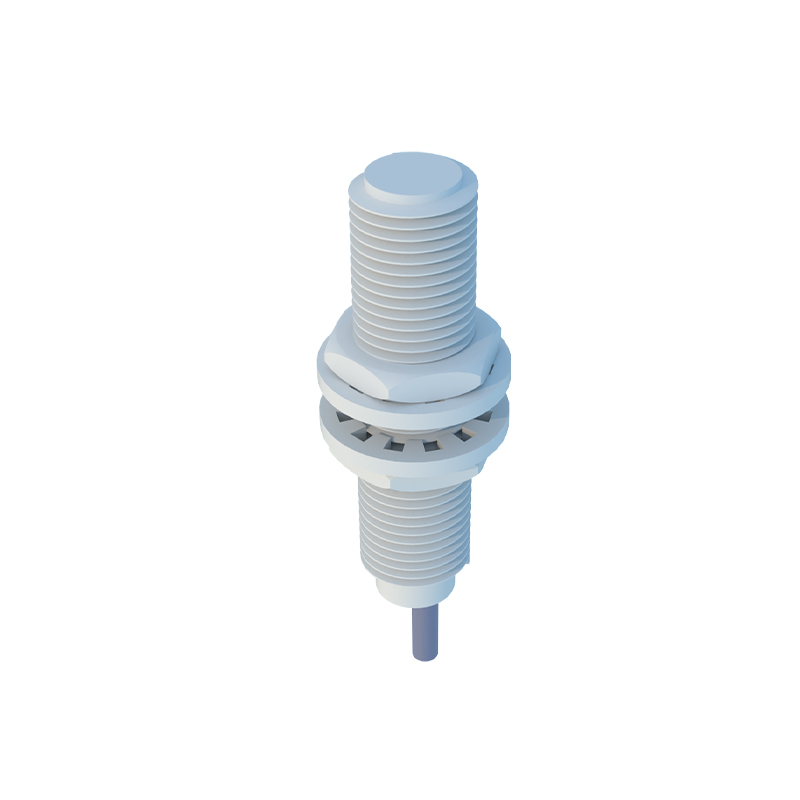
In conclusion, the production of a proximity switch sensor is a complex fusion of electronics, magnetics, materials science, and precision mechanics. A top-tier manufacturing plant distinguishes itself not by volume alone, but through deep technical mastery, relentless process optimization, and an uncompromising commitment to quality control. The result is a component that industrial engineers can specify with absolute confidence, knowing it will deliver millions of reliable switching cycles, thereby ensuring the smooth, safe, and efficient operation of the automated systems that drive modern industry forward.