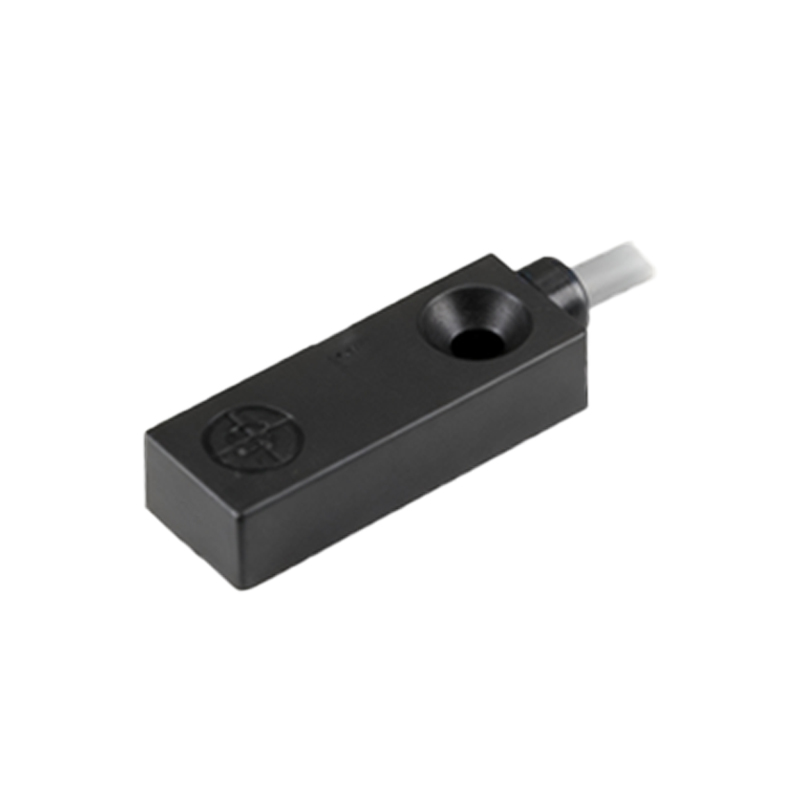
In the rapidly advancing landscape of industrial automation, the Proximity Sensor 2042 emerges as a groundbreaking solution designed to address the complex demands of modern manufacturing environments. As an electrical engineer with extensive experience in sensor technology, I have witnessed firsthand the transformative impact of innovations like the 2042 series. This article delves into its technical specifications, operational principles, and practical applications, offering insights for professionals seeking to optimize their systems.
The Proximity Sensor 2042 is a non-contact sensing device that utilizes electromagnetic fields to detect the presence of metallic objects within its range. Unlike traditional sensors, it incorporates advanced microprocessing capabilities, enabling high-precision detection with minimal interference. Its core technology is based on an optimized inductive principle, where an oscillator generates a fluctuating magnetic field. When a metallic target enters this field, eddy currents are induced, causing a change in the oscillation amplitude. The sensor's integrated circuit processes this change to trigger an output signal, typically in the form of a digital switch. This mechanism ensures reliable performance even in harsh conditions, such as extreme temperatures, dust, or moisture, making it ideal for heavy-duty industrial settings.
Key features of the Proximity Sensor 2042 include an extended sensing range of up to 15 millimeters, a response time of less than 0.5 milliseconds, and a robust housing rated IP67 for resistance against water and dust ingress. It supports multiple output configurations, including NPN, PNP, and analog options, allowing seamless integration with various control systems like PLCs and robotics. Additionally, its energy-efficient design reduces power consumption by up to 20% compared to previous models, aligning with sustainability goals in manufacturing.
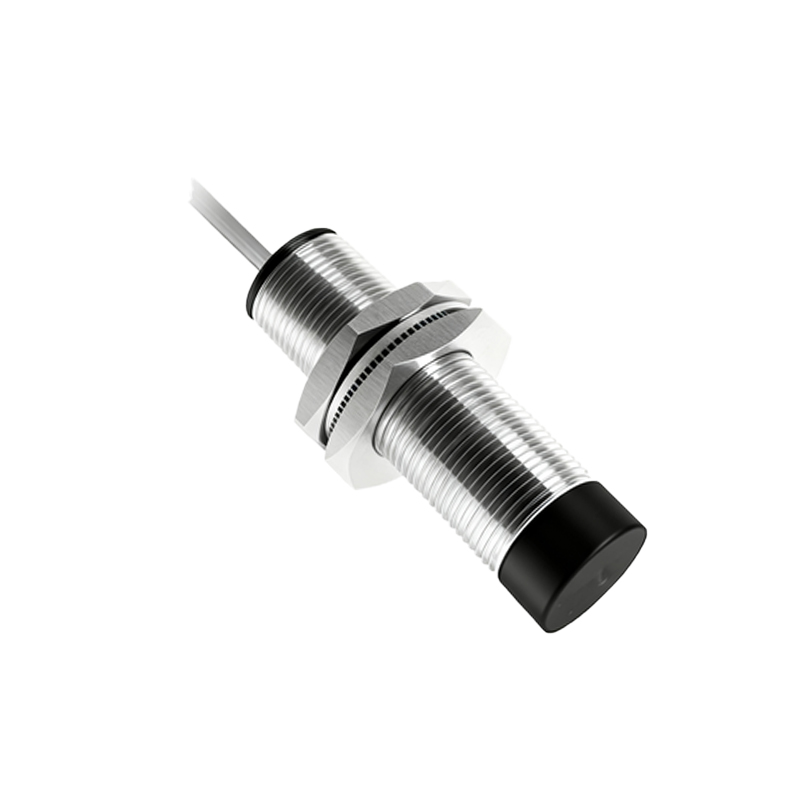
In practical applications, the Proximity Sensor 2042 excels across diverse sectors. In automotive assembly lines, it ensures precise positioning of components, enhancing quality control and reducing downtime. Within packaging machinery, it detects product presence to automate sorting and filling processes, boosting efficiency. The sensor also plays a critical role in safety systems, such as monitoring machine guards to prevent accidents. Its versatility extends to logistics, where it facilitates inventory tracking by sensing metal tags on pallets.
To maximize the benefits of the Proximity Sensor 2042, proper installation and maintenance are essential. Engineers should consider factors like target material, mounting distance, and environmental interference during setup. Regular calibration checks can prolong its lifespan, which typically exceeds 100,000 operating hours. As industries move toward Industry 4.0, this sensor's compatibility with IoT platforms enables predictive maintenance and data analytics, further driving operational excellence.
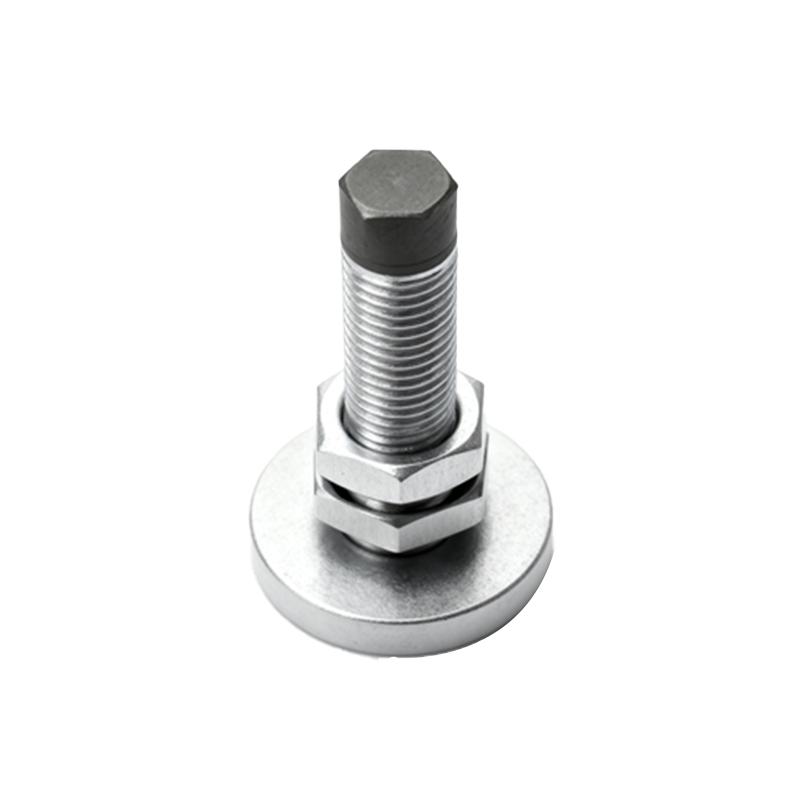
In conclusion, the Proximity Sensor 2042 represents a significant leap forward in sensing technology, combining reliability, efficiency, and adaptability. For electrical engineers and industry professionals, adopting this innovation can lead to enhanced productivity and cost savings. As automation continues to evolve, staying informed about such advancements is crucial for maintaining a competitive edge.