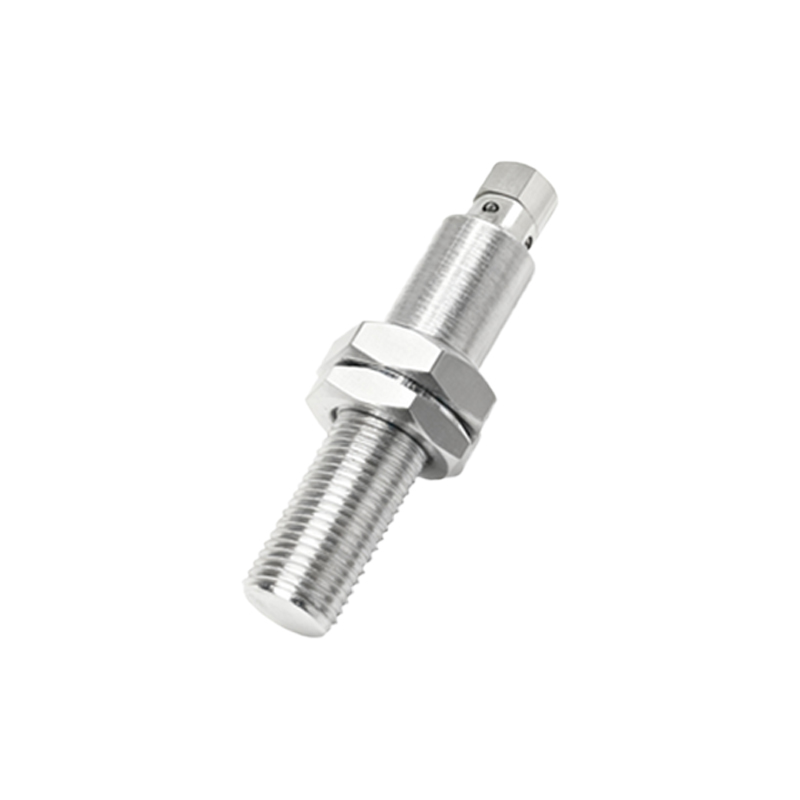
In the realm of industrial automation and control systems, proximity sensors play a pivotal role in enabling non-contact detection of objects. Among the diverse range of sensors available, the EH302 proximity sensor stands out as a reliable and widely utilized component. This article delves into the technical specifications, operational principles, common applications, and key considerations for selecting and implementing the EH302 sensor in various industrial environments.
The EH302 is typically an inductive proximity sensor. Inductive sensors operate on the principle of electromagnetic induction. The sensor generates an oscillating electromagnetic field from its active face. When a metallic object enters this field, eddy currents are induced within the object, causing a change in the oscillation amplitude. The sensor's internal circuit detects this change and triggers a switching action, typically through a solid-state output (PNP or NPN). The EH302 model is often characterized by its cylindrical housing, such as an M30 size, and is designed for robust performance in harsh industrial settings. Key specifications usually include a defined sensing range (e.g., 15mm for steel), a choice between normally open (NO) or normally closed (NC) output configurations, and protection ratings like IP67, which signifies dust-tight and protection against temporary immersion in water.
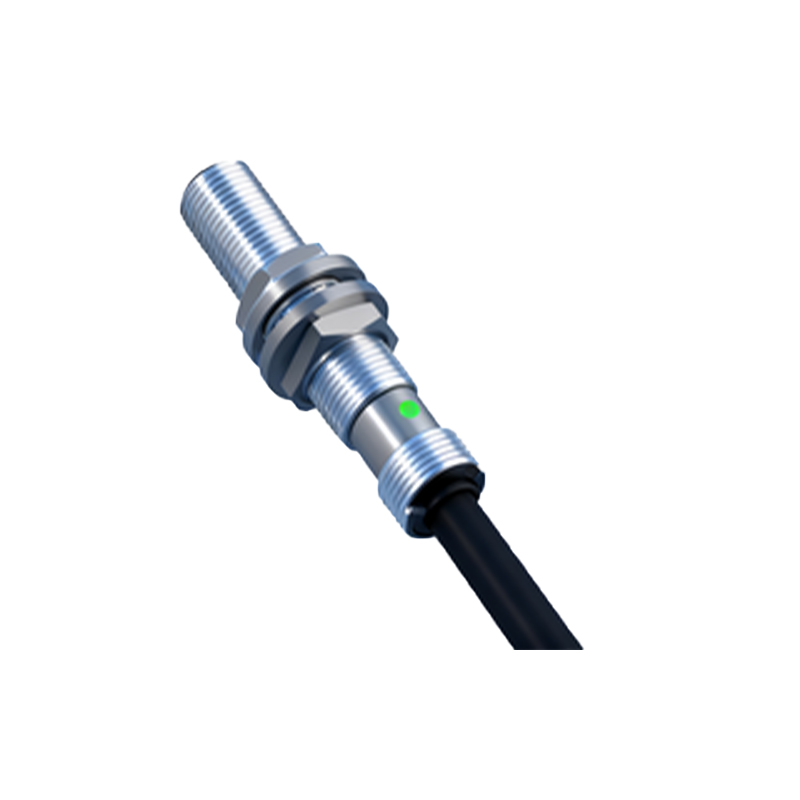
One of the primary advantages of the EH302 proximity sensor is its durability. With no moving parts and a sealed housing, it is highly resistant to shock, vibration, and contaminants like oil and coolants commonly found in manufacturing plants. This makes it exceptionally suitable for demanding applications. Furthermore, its non-contact nature ensures minimal wear and tear, leading to a long operational life and reduced maintenance requirements compared to mechanical limit switches. The switching frequency of the EH302 is another critical parameter, defining how quickly it can detect objects passing by, which is vital for high-speed production lines.
The applications for the EH302 sensor are extensive across factory automation. A common use is in machine tools for detecting the position of a metal part or tool holder. On conveyor systems, it can count metallic products, confirm the presence of a pallet, or act as an end-of-travel limit. In robotic cells, these sensors ensure the robotic arm is in its home position or verify that a metal workpiece is correctly loaded into a gripper. They are also integral to packaging machinery, assembly stations, and material handling equipment. The specific model variant, such as flush-mounted or non-flush, is selected based on the installation environment; flush-mounted models can be embedded in metal without affecting their sensing range, while non-flush models offer a longer range but require clearance from surrounding metal.
When integrating an EH302 sensor into a control system, several factors must be carefully evaluated. First, the target material is crucial. While designed primarily for metals, the effective sensing range varies with material type. For instance, the range for stainless steel is often less than for mild steel, and for non-ferrous metals like aluminum or copper, it is reduced further. Engineers must consult the sensor's datasheet for correction factors. Second, the electrical characteristics must match the control system. This includes the operating voltage (commonly 10-30V DC), output type (sourcing PNP or sinking NPN), and current rating. Connecting a PNP sensor to an NPN input circuit, or vice versa, will result in malfunction. Third, environmental conditions such as ambient temperature, presence of strong electromagnetic fields, or welding spatter must be considered to ensure reliable operation. Proper mounting, using correct brackets and ensuring the recommended gap from surrounding metal, is also essential to prevent false triggering.
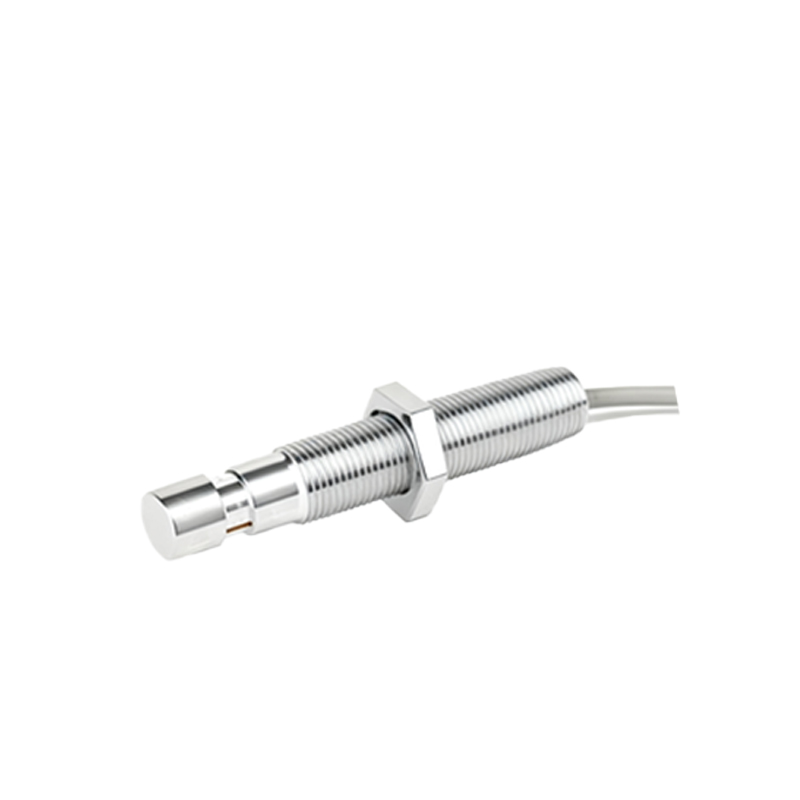
For maintenance and troubleshooting, the EH302 sensor is generally straightforward. Most models feature an LED indicator that lights up when an object is detected, providing immediate visual feedback. Common issues include failure to detect objects, which may stem from incorrect wiring, power supply problems, a target outside the specified range or material, or physical damage to the sensor face. Regular cleaning of the sensing surface to remove debris or metal shavings is a simple yet effective preventive measure.
In conclusion, the EH302 proximity sensor is a fundamental building block in modern industrial automation. Its robustness, reliability, and versatility in detecting metallic objects without physical contact make it an indispensable tool for engineers designing and maintaining automated systems. By understanding its operating principles, carefully matching its specifications to the application requirements, and following proper installation practices, users can maximize the sensor's performance and contribute to efficient, uninterrupted production processes. As technology evolves, the core functionality of sensors like the EH302 continues to be enhanced with features like IO-Link communication for diagnostics and parameter setting, further solidifying their role in the smart factories of today and tomorrow.