Inductive proximity sensors are non-contact detection devices widely used in industrial automation for their reliability, durability, and ability to operate in harsh environments. These sensors generate an electromagnetic field to detect the presence or absence of metallic objects without physical contact, making them ideal for applications where wear and contamination must be minimized. The core principle involves an oscillator circuit that creates a high-frequency magnetic field around the sensor's active face. When a metallic target enters this field, eddy currents are induced in the target, causing a change in the oscillation amplitude. This change is detected by the sensor's circuitry, which then triggers an output signal, typically in the form of a switching action.
One prominent example is the cylindrical inductive sensor, commonly employed in manufacturing lines for position sensing. For instance, in automotive assembly, these sensors detect the presence of metal components like engine blocks or chassis parts on conveyor belts. Their robust housing, often made of stainless steel or nickel-plated brass, ensures resistance to mechanical impacts and chemicals. Another example is rectangular or block-style inductive sensors, used in packaging machinery to monitor the position of metal lids or caps. These sensors offer a larger sensing range and can be embedded into machine structures for space-saving installations.
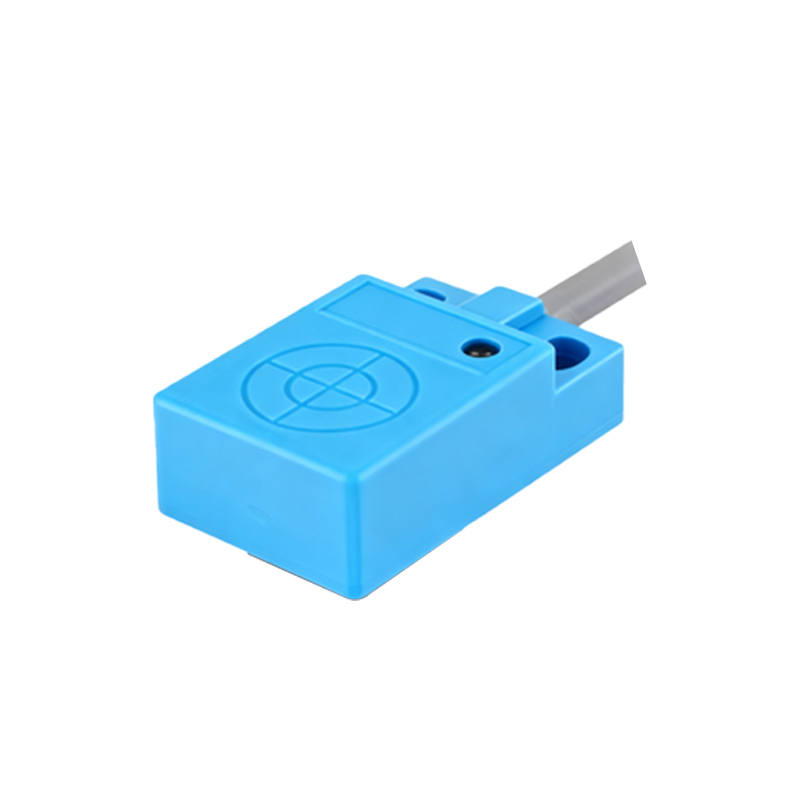
In material handling, inductive sensors play a critical role in detecting metal pallets or containers in automated storage and retrieval systems. They provide precise feedback to control systems, ensuring smooth operation of lifts and conveyors. Additionally, high-temperature inductive sensors are utilized in foundries or welding applications, where they withstand extreme heat while detecting molten metal or hot components. Some advanced models feature analog outputs, enabling continuous distance measurement for applications like monitoring the thickness of metal sheets or controlling robotic arm positions.
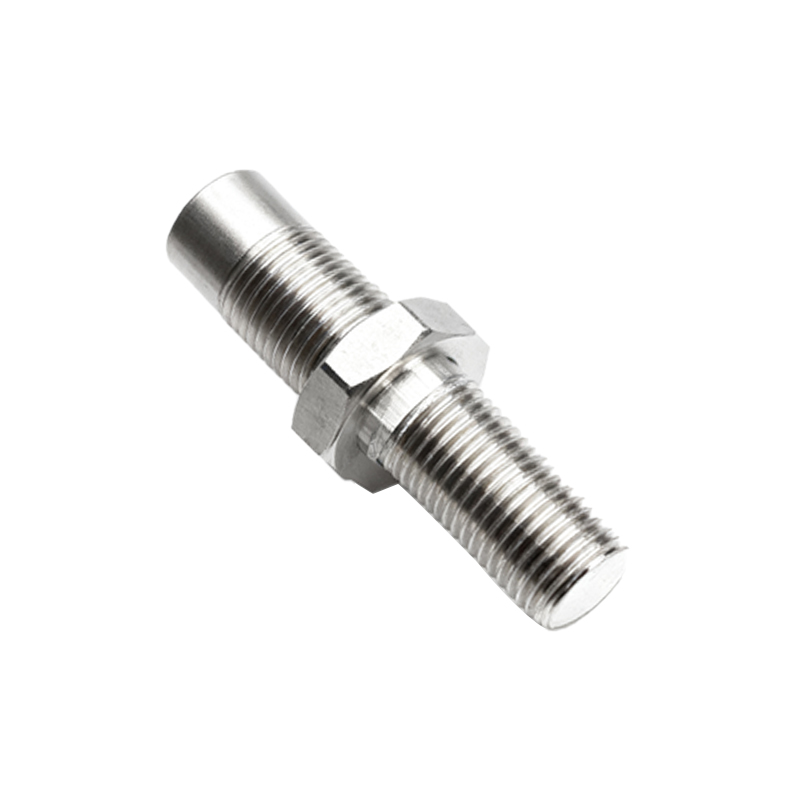
The selection of an inductive proximity sensor depends on factors such as target material, sensing distance, environmental conditions, and output requirements. Ferrous metals like steel typically allow longer sensing ranges compared to non-ferrous metals like aluminum or copper. Shielded sensors, with a metal ring around the coil, are used in flush-mounting scenarios to prevent interference from surrounding metal, while unshielded sensors offer extended ranges but require non-metallic surroundings. Industry standards, such as IP67 or IP69K ratings, ensure protection against dust and water ingress, making these sensors suitable for washdown environments in food processing or pharmaceutical industries.
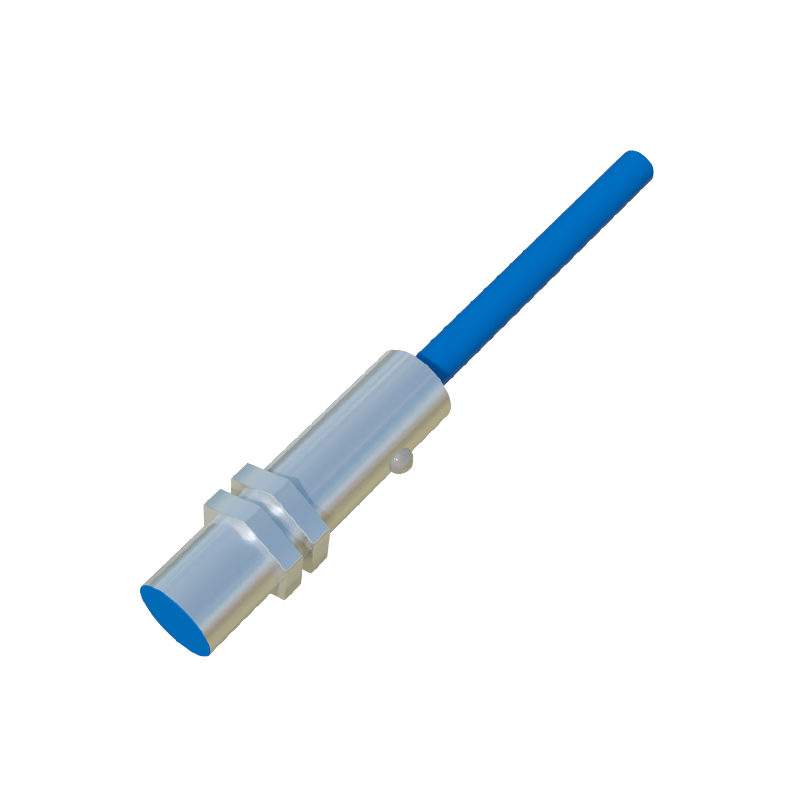
Maintenance of inductive sensors is minimal due to their solid-state design, but regular checks for contamination buildup or physical damage are recommended. Innovations in this field include sensors with IO-Link communication, which enable digital parameter setting and diagnostic data transmission for Industry 4.0 applications. For example, in smart factories, these sensors can report wear levels or environmental changes, facilitating predictive maintenance. Overall, inductive proximity sensors are indispensable in modern automation, offering efficient and cost-effective solutions for metal detection across diverse sectors, from automotive to aerospace.