Proximity sensors are indispensable components in modern industrial automation, offering a wide range of benefits that enhance efficiency, safety, and reliability. These non-contact devices detect the presence or absence of objects without physical touch, making them ideal for harsh environments where contamination, wear, or mechanical damage could occur. One of the primary advantages is their durability. Since there is no direct contact with target objects, proximity sensors experience minimal wear and tear, leading to longer operational lifespans and reduced maintenance costs. This characteristic is particularly valuable in high-speed production lines or applications involving abrasive materials.
Another significant benefit is the high-speed response capability. Proximity sensors can detect objects at rapid rates, often in milliseconds, ensuring precise timing in automated processes such as assembly, packaging, or sorting. This speed contributes to increased throughput and improved productivity in manufacturing facilities. Additionally, these sensors are highly reliable in various environmental conditions. Many models are designed to withstand extreme temperatures, moisture, dust, and vibrations, making them suitable for use in industries like automotive, food processing, and heavy machinery.
Energy efficiency is also a notable advantage. Proximity sensors typically consume low power while providing accurate detection, which helps in reducing overall energy consumption in industrial systems. Furthermore, they offer versatility in sensing different materials, including metals, plastics, and liquids, depending on the sensor type—inductive, capacitive, or ultrasonic. This flexibility allows for customization across diverse applications, from detecting metal parts on conveyor belts to monitoring liquid levels in tanks.
Safety enhancements are another key aspect. By enabling non-contact detection, proximity sensors help prevent accidents in machinery by ensuring that equipment operates only when objects are in correct positions. This reduces the risk of human injury and equipment damage. Moreover, their compact design allows for easy integration into existing systems without requiring significant space modifications.
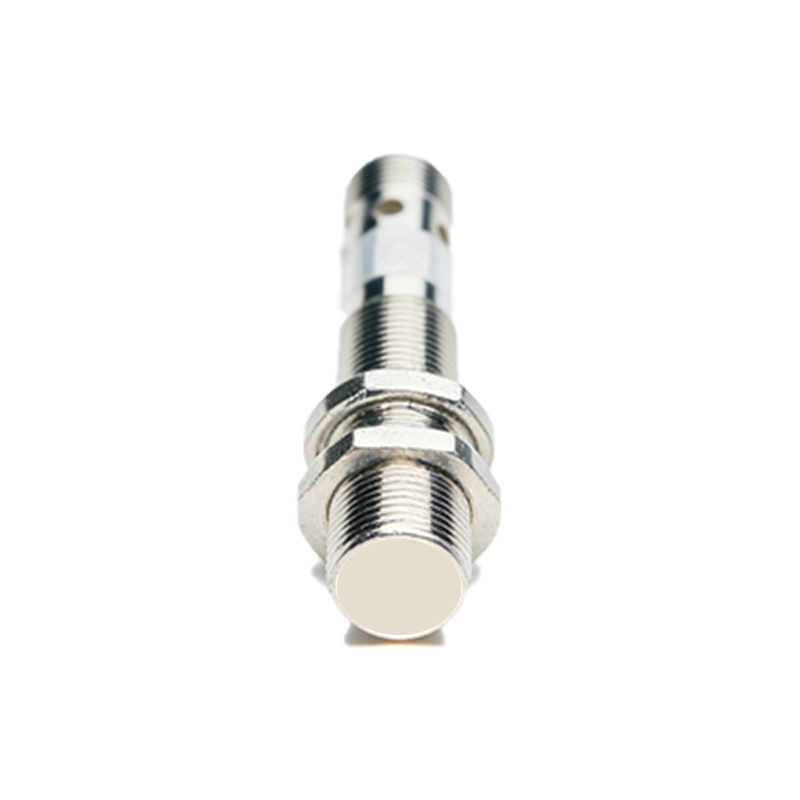
In summary, proximity sensors provide a combination of durability, speed, reliability, energy efficiency, versatility, and safety, making them essential tools for optimizing industrial operations. As technology advances, these sensors continue to evolve, offering even greater precision and adaptability for future automation challenges.