In the realm of industrial automation, proximity sensors stand as fundamental components for non-contact object detection. Among the various configurations available, the 3-wire DC sensor operating at 36V DC has become a prevalent standard, particularly in factory automation environments. This article delves into the technical specifications, wiring methodologies, operational principles, and key application considerations for these robust and reliable devices.
A 3-wire 36V DC proximity sensor is an inductive or capacitive sensor designed to detect the presence or absence of metallic or non-metallic objects without physical contact. The "3-wire" designation refers to its connection scheme: one wire for the positive DC supply voltage (typically brown), one wire for the negative/ground (typically blue), and one wire for the switched output signal (typically black for NPN or black for PNP). The 36V DC rating indicates its nominal operating voltage, which often has a wide acceptable range, such as 10-36V DC or 12-36V DC, providing flexibility and compatibility with common industrial control voltages like 24V DC systems.
The core advantage of the 3-wire design over its 2-wire counterpart is the provision of a separate output wire. This configuration allows for a clear distinction between the power supply circuit and the signal circuit. In an NPN (sinking) sensor, the black output wire acts as a switch to ground (0V). When a target is detected, the output transistor turns on, connecting the load (e.g., a PLC input) between the positive supply and this now-grounded output, allowing current to "sink" into the sensor. Conversely, in a PNP (sourcing) sensor, the output wire switches the positive supply voltage. Upon detection, it "sources" current from the sensor's output to the load connected to ground. The choice between NPN and PNP is critical and depends on the input configuration of the controller (PLC) or relay it interfaces with.
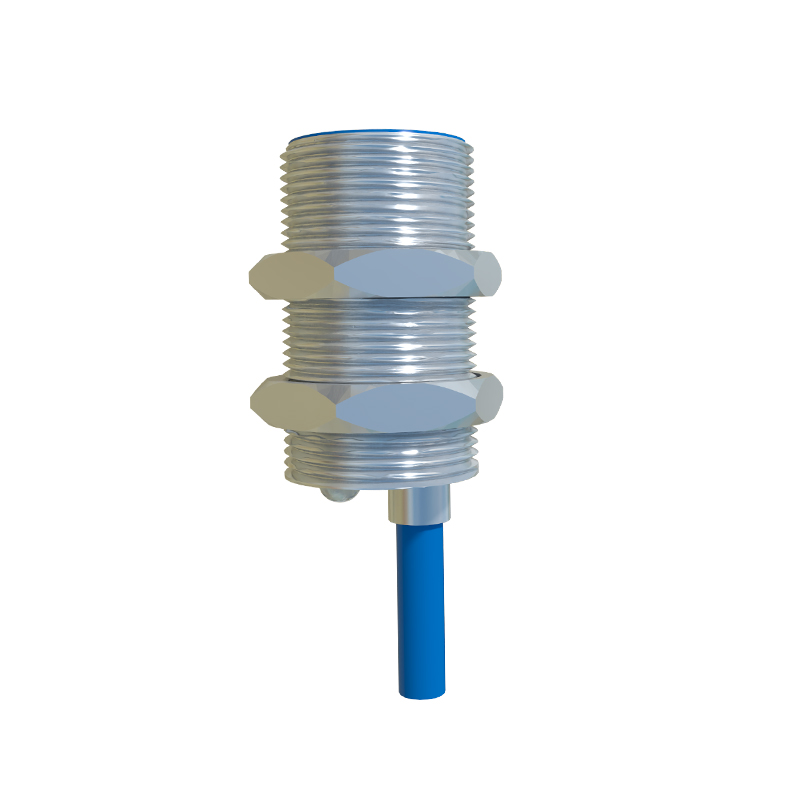
The 36V DC operating voltage offers significant benefits. It provides a higher noise immunity compared to lower voltage sensors (e.g., 5V or 12V), making it highly resistant to electrical interference common in industrial settings with heavy machinery, variable frequency drives, and welding equipment. This robustness translates to fewer false triggers and increased system reliability. Furthermore, the 36V rating allows for longer cable runs with minimal voltage drop, ensuring stable operation over distances. Many sensors in this category are designed with overvoltage and reverse polarity protection, safeguarding the device from common wiring errors and voltage spikes.
Installation and wiring require careful attention. Always consult the manufacturer's datasheet for the specific color code and pinout, as variations can exist. The basic procedure involves connecting the brown wire to the positive DC supply (within the specified voltage range), the blue wire to the DC common or ground, and the black (or sometimes white) output wire to the load. The load (PLC input, relay coil, indicator lamp) is then connected between the output wire and the opposite supply rail, completing the circuit. For an NPN sensor, the load is connected between the output and the positive supply. For a PNP sensor, the load is connected between the output and ground. Proper shielding and routing of cables away from high-power lines are essential practices to maintain signal integrity.
When selecting a 3-wire 36V proximity sensor, several parameters must be evaluated beyond just voltage and wiring. Sensing distance, often specified as the "rated operating distance (Sn)," is crucial and should be derated for different target materials and shapes. The housing material (e.g., stainless steel, nickel-plated brass, or PBT plastic) must suit the environmental conditions, including exposure to coolants, oils, or washdowns. Switching frequency defines how quickly the sensor can detect objects passing by. Output current rating must be sufficient to drive the connected load without damage. Additionally, many modern sensors feature LED status indicators for power and output state, greatly aiding in troubleshooting.
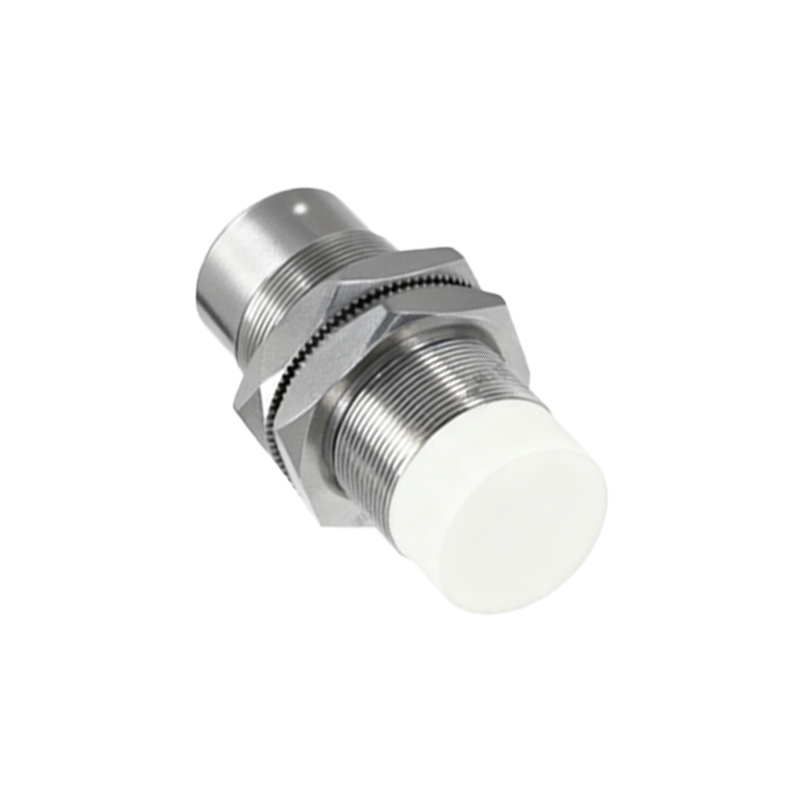
In application, these sensors are ubiquitous. They are used for part presence verification on conveyor lines, end-of-travel detection on actuators, rotary speed monitoring via gear teeth detection, and precise positioning in machining centers. Their solid-state design, with no moving parts, ensures a long operational life with minimal maintenance. The 36V DC variant, in particular, is a workhorse in panels powered by standard 24V DC industrial power supplies, offering a safe and efficient voltage level that balances performance, safety, and compatibility.
In conclusion, the 3-wire 36V DC proximity sensor is a cornerstone of modern industrial sensing. Its separate supply and output lines offer clear signal interfacing, while the 36V DC operation provides the durability and noise resistance demanded by harsh industrial environments. A thorough understanding of its