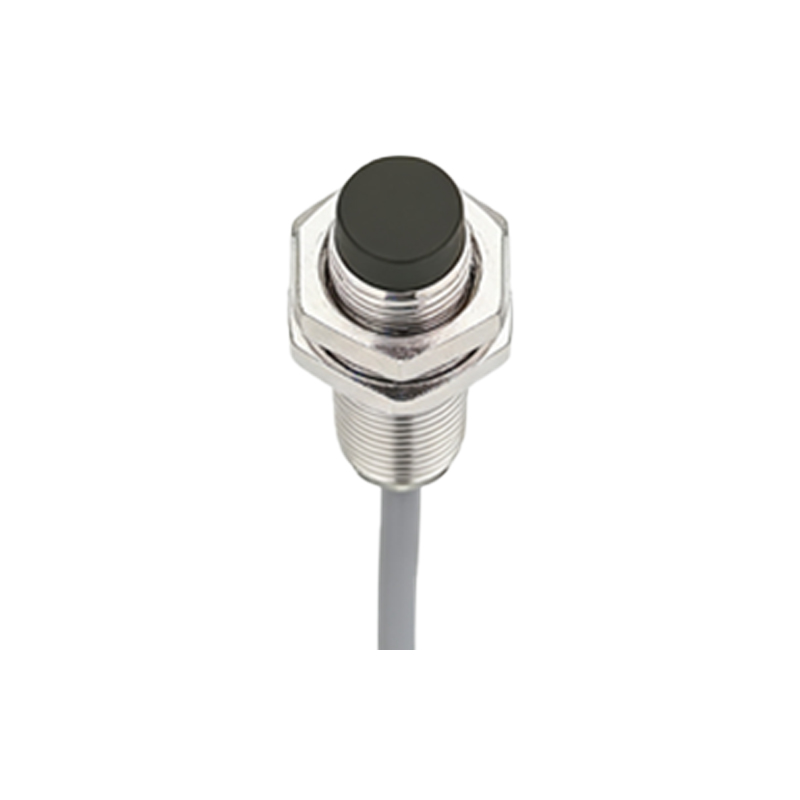
Laser proximity sensors represent a critical advancement in industrial automation and precision measurement technology. Operating on the principle of optical triangulation or time-of-flight measurement, these devices emit a focused beam of coherent light—typically from a laser diode—towards a target object. The sensor then detects the reflected light, and an internal processor calculates the distance or presence of the object with exceptional accuracy and speed. Unlike traditional inductive or capacitive sensors, laser sensors are not influenced by the target's material composition, color, or electrical properties, making them versatile for a vast array of applications.
The core components of a typical laser proximity sensor include the laser emitter, a photodetector (such as a Position Sensitive Device or PSD), and a signal processing unit. The laser diode generates a highly collimated, visible or infrared beam, which is ideal for precise targeting over longer ranges. When the beam strikes an object, the reflected light is focused onto the photodetector. In triangulation-based sensors, the position of the light spot on the detector changes proportionally with the target's distance. The processing unit analyzes this positional shift to compute the exact distance. Time-of-flight sensors, often used for longer ranges, measure the phase shift or the direct time delay between the emitted and received pulse.
Key performance specifications define a sensor's suitability for a task. Measurement range can vary from a few millimeters to several hundred meters. Repeatability, often in the micrometer range, indicates the sensor's consistency. Response time, typically in the microsecond to millisecond domain, determines how quickly the sensor can detect changes. Environmental factors like ambient light, dust, and temperature are mitigated through specialized housings (often IP67 or higher), optical filters, and temperature compensation circuits. The output is usually provided via analog signals (4-20 mA, 0-10 V), digital interfaces (IO-Link, RS-232), or discrete switching signals (PNP/NPN).
The applications for laser proximity sensors are extensive and transformative. In automotive manufacturing, they ensure precise robot positioning for welding and assembly. In electronics, they verify component placement on PCBs. In logistics, they count packages on high-speed conveyors and manage warehouse inventory via dimensioning systems. They are indispensable in quality control for measuring thickness, width, and profile of products in rolling mills or paper production. Furthermore, their ability to detect small, fast-moving, or transparent objects—like glass vials or thin wires—makes them irreplaceable where other technologies fail.
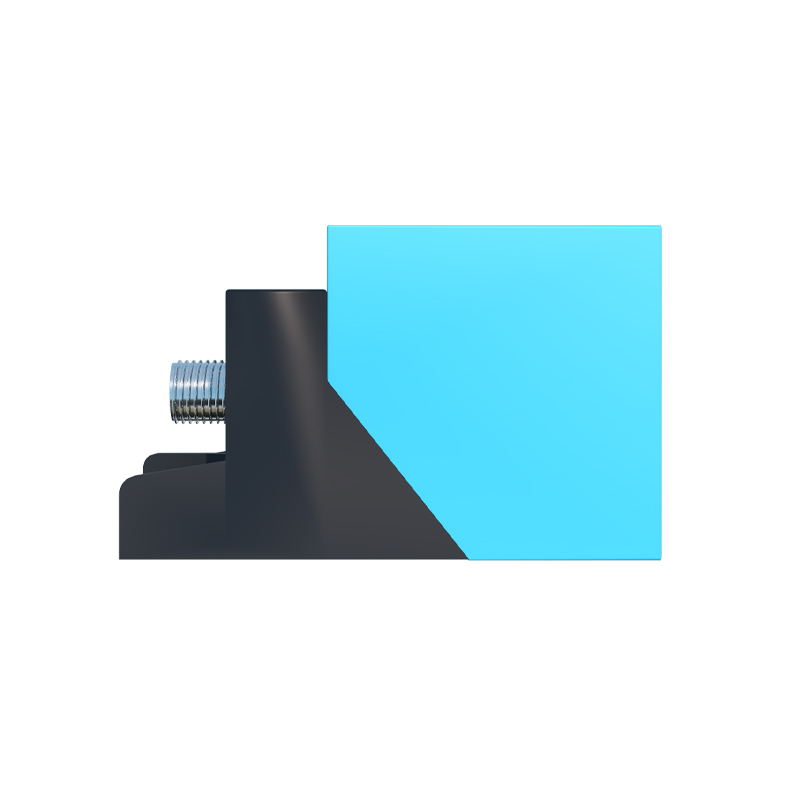
Selecting the right laser sensor requires careful analysis of the operational environment and task requirements. Engineers must consider the required resolution, the target's surface characteristics (highly reflective or matte), potential obstructions, and the necessary mounting configuration. Regular maintenance involves keeping the lens clean and verifying calibration. As Industry 4.0 evolves, modern laser sensors are increasingly equipped with smart features like predictive diagnostics, Ethernet connectivity, and integrated data logging, seamlessly integrating into the Industrial Internet of Things (IIoT) framework.
In conclusion, laser proximity sensors are powerful, non-contact tools that provide unmatched precision and flexibility in industrial settings. Their adoption enhances automation reliability, improves product quality, and enables complex robotic guidance. For electrical engineers designing or maintaining automated systems, a deep understanding of their operating principles, specifications, and application nuances is essential for optimizing performance and driving innovation in modern manufacturing and beyond.