Laser collision sensors represent a critical advancement in industrial safety and automation, utilizing precise optical technology to detect potential impacts or intrusions in machinery and robotic systems. These sensors operate based on the principle of laser triangulation or time-of-flight measurement, providing high-accuracy, non-contact detection capabilities essential for modern manufacturing environments.
At the core of a laser collision sensor is a laser diode that emits a focused beam of coherent light toward a target area. In triangulation-based systems, the reflected light from an object is captured by a photodetector, such as a CCD or CMOS sensor, positioned at a known angle relative to the emitter. By analyzing the displacement of the reflected spot on the detector, the sensor calculates the distance to the object with micron-level precision. This method is particularly effective for detecting small objects or subtle positional changes, making it ideal for applications like robotic arm collision avoidance or conveyor belt monitoring.
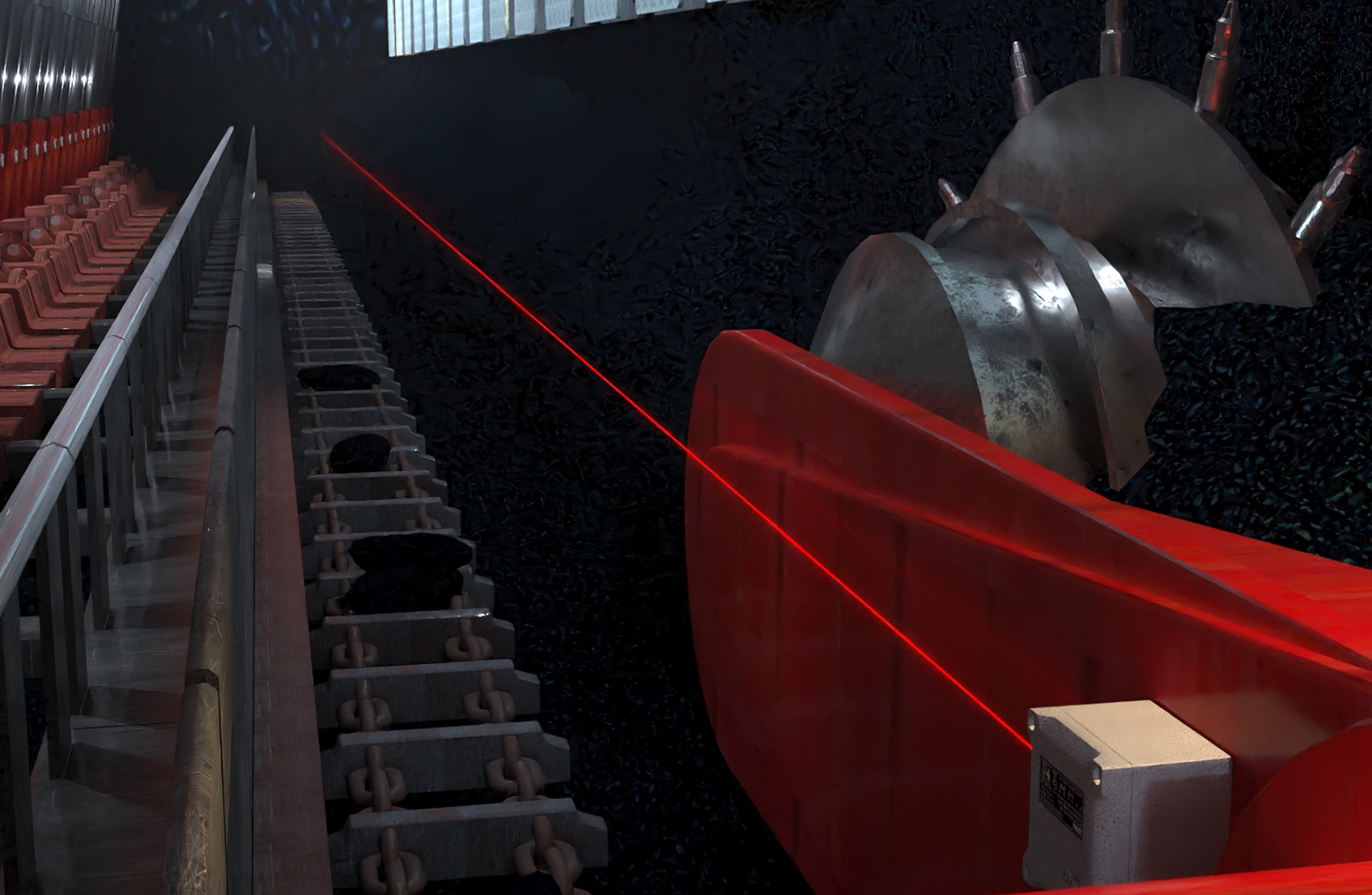
Time-of-flight (ToF) laser sensors, on the other hand, measure the round-trip time for a laser pulse to reflect off an object and return to the receiver. Using the constant speed of light, the sensor computes the distance based on the time delay. ToF systems excel in long-range detection and high-speed scenarios, such as in automated guided vehicles (AGVs) or large-scale assembly lines, where rapid response to obstacles is crucial. Both triangulation and ToF technologies enable real-time monitoring, allowing systems to trigger immediate shutdowns or alerts upon detecting unauthorized entries or potential collisions.
The integration of laser collision sensors into industrial setups involves careful calibration to account for environmental factors like ambient light, dust, or vibration. Advanced models incorporate filtering algorithms and adaptive thresholds to minimize false positives, ensuring reliable operation in harsh conditions. For instance, in automotive welding stations, these sensors prevent robotic arms from colliding with fixtures or human workers, thereby reducing downtime and enhancing workplace safety. Similarly, in packaging machinery, they detect misaligned products, preventing jams and material waste.
Key components of a laser collision sensor include the laser source, optics for beam shaping, a receiver unit, and a signal processing module. The laser typically operates in the visible red or infrared spectrum, with Class 1 or Class 2 safety ratings to ensure eye-safe operation. Optics, such as lenses or mirrors, focus the beam to a fine point, improving resolution. The receiver converts light signals into electrical data, which is processed by embedded microcontrollers to determine presence, distance, or speed of objects. Modern sensors often feature digital interfaces like IO-Link or Ethernet/IP, enabling seamless communication with programmable logic controllers (PLCs) for integrated automation control.
Applications of laser collision sensors span diverse industries, from electronics manufacturing to logistics. In robotics, they provide essential feedback for collaborative robots (cobots) operating alongside humans, allowing for safe interaction without physical barriers. In material handling, sensors monitor pallet positions on racks, preventing overloads or collisions. The non-contact nature of laser sensing eliminates wear and tear, offering longevity compared to mechanical limit switches. Additionally, their high sampling rates—often exceeding kHz frequencies—support dynamic environments where objects move rapidly.
Future trends in laser collision sensor technology focus on miniaturization, enhanced intelligence, and multi-sensor fusion. Developments in MEMS-based lasers and AI-driven analytics aim to reduce costs while improving accuracy and functionality. For example, sensors with machine learning capabilities can distinguish between different object types, adapting detection parameters autonomously. Integration with vision systems or ultrasonic sensors further expands their utility, creating comprehensive safety networks in smart factories.
In summary, laser collision sensors are indispensable tools in industrial automation, leveraging advanced optical principles to prevent accidents and optimize processes. Their ability to deliver precise, real-time data supports the evolution toward safer, more efficient production systems, aligning with Industry 4.0 initiatives. As technology progresses, these sensors will continue to play a pivotal role in shaping the future of automated manufacturing.