Magnetic proximity sensors are a cornerstone of modern industrial automation, offering a robust and reliable method for non-contact object detection. As an experienced electrical engineer specializing in industrial control systems, I have specified, installed, and maintained countless magnetic sensors across various applications. Their fundamental principle is elegantly simple: they detect the presence or absence of a magnetic field, typically from a permanent magnet (the "actuator") attached to a moving part. When the magnet comes within a specified range, the sensor's internal reed switch or solid-state Hall effect component triggers, changing its output state. This article provides a detailed, professional analysis of their key advantages and inherent limitations, crucial for making informed design and procurement decisions.
Advantages of Magnetic Proximity Sensors
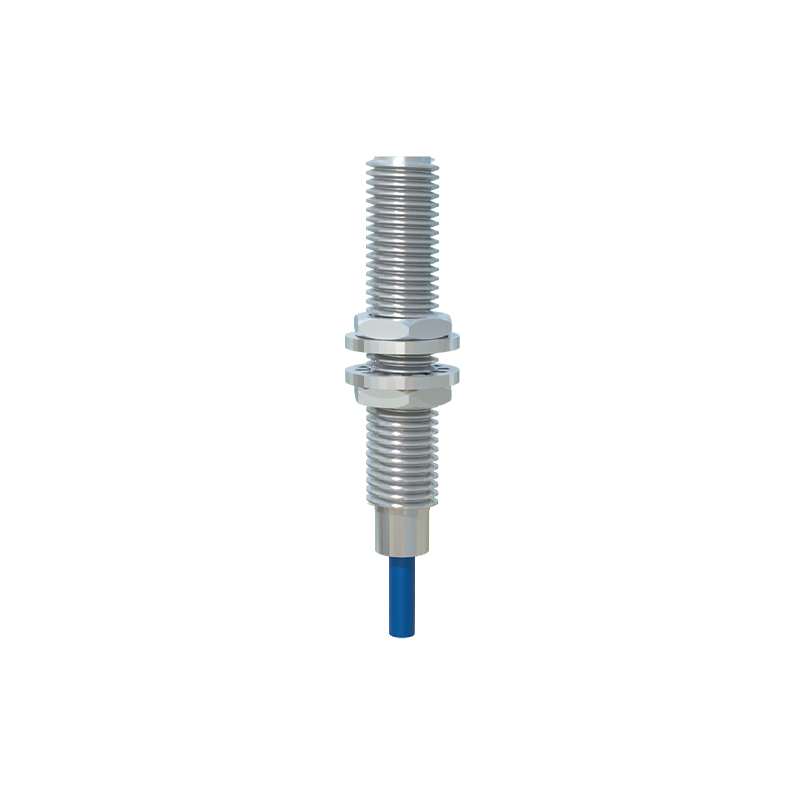
1. Robustness and Environmental Immunity: This is arguably their greatest strength. Magnetic sensors are completely sealed, making them impervious to dust, dirt, oil, coolant, and moisture. Unlike optical sensors, their operation is unaffected by opaque contaminants that can block light beams. They are ideal for harsh environments like machine tools, hydraulic systems, and outdoor equipment where washdowns or particulate matter are common.
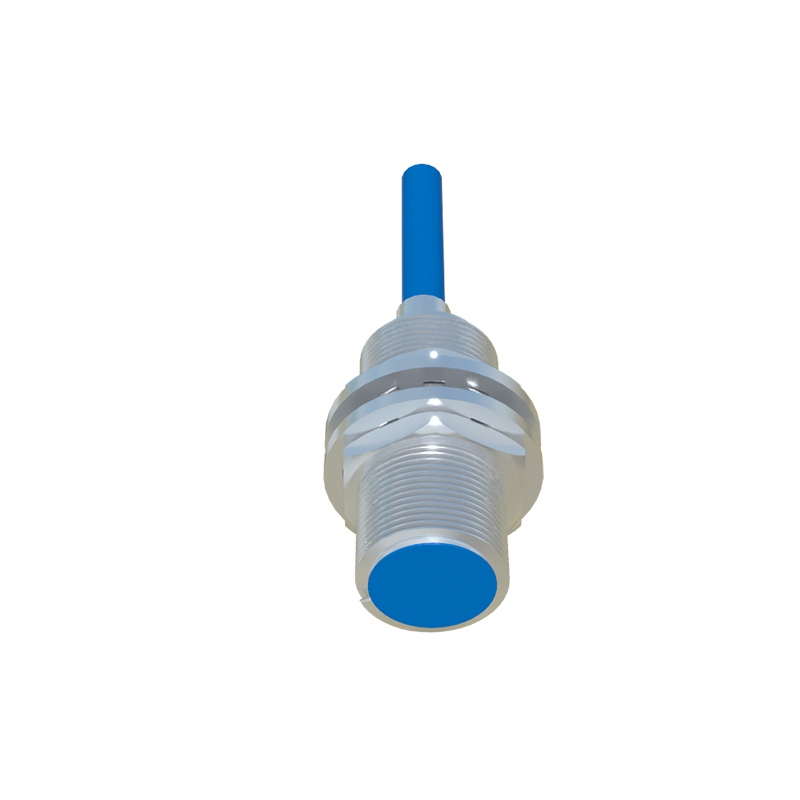
2. Non-Contact Sensing: As with other proximity technologies, magnetic sensors operate without physical contact with the target. This eliminates mechanical wear and tear, ensuring a long operational life with minimal maintenance. There are no moving parts to fatigue (in the case of solid-state Hall effect types), leading to high reliability over millions of cycles.
3. Simple Installation and Operation: The setup is straightforward. The sensor is fixed in place, and a small permanent magnet is attached to the moving target. Alignment is generally less critical than with inductive or capacitive sensors. They typically require a simple DC power supply (e.g., 10-30V DC) and provide a clean digital (ON/OFF) output signal compatible with PLCs and other control logic.
4. Ability to Sense Through Non-Ferrous Materials: A unique and powerful advantage. Magnetic fields can penetrate non-magnetic materials like aluminum, stainless steel (austenitic grades), plastic, and glass. This allows for completely hidden installation. The sensor can be mounted inside a sealed enclosure or behind a panel, with the magnet moving on the outside, protecting the electronics from the external environment.
5. Cost-Effectiveness for Specific Applications: For basic position detection tasks—especially where environmental sealing is paramount—magnetic sensors offer an excellent balance of performance and cost. Reed switch-based sensors, in particular, are very economical for less demanding speed and frequency applications.
Disadvantages and Limitations of Magnetic Proximity Sensors
1. Limited Sensing Range: This is the most significant constraint. Typical sensing distances are very short, often ranging from just 5 to 40 millimeters, even with powerful magnets. This requires precise mechanical tolerances and limits their use in applications requiring detection at greater distances.
2. Susceptibility to External Magnetic Fields: Their core strength is also a vulnerability. Stray magnetic fields from large motors, transformers, welding equipment, or even other nearby sensors can cause false triggering or inhibit proper operation. Careful system layout and shielding are often necessary in electromagnetically noisy environments.
3. Target Dependency and Speed Limitations: The sensor only detects magnetic fields. The target must be fitted with a suitable permanent magnet. The strength, size, and orientation of this magnet directly affect the sensing performance. Furthermore, reed switch-based sensors have a relatively slow response time and limited switching frequency (often below 1 kHz), making them unsuitable for high-speed counting or precise timing applications. Hall effect sensors offer much higher speeds.
4. Temperature Sensitivity: The magnetic properties of both the sensor's internal components and the external actuator magnet can be affected by extreme temperatures. Very high temperatures can demagnetize standard ferrite or Alnico magnets, while very low temperatures can affect switch characteristics. High-temperature rated magnets (e.g., Samarium Cobalt) and sensors must be selected for extreme conditions.
5. Lack of Material Discrimination: They cannot distinguish between different materials. If the correct magnet is present, they will activate, regardless of what object it is attached to. For applications requiring detection of a specific material type (e.g., ferrous metal only), inductive proximity sensors are a better choice.
Conclusion and Selection Guidance
Magnetic proximity sensors are an indispensable tool in the industrial engineer's arsenal, but they are not a universal solution. Their selection is highly application-dependent. Prioritize them when you require: detection in dirty, wet, or sealed environments; sensing through non-ferrous barriers; or simple, robust position feedback. Avoid them or exercise extreme caution when: the required sensing distance is more than a few centimeters; the operating environment contains strong interfering magnetic fields; or the application demands very