Laser reset sensors represent a critical advancement in industrial automation, offering unparalleled precision and reliability in position detection and control systems. These devices utilize laser technology to detect the presence or absence of an object and reset a system's reference point, ensuring accurate operations in manufacturing, robotics, and material handling. Unlike traditional mechanical or photoelectric sensors, laser reset sensors provide non-contact measurement with high resolution, reducing wear and tear and minimizing maintenance needs.
The core principle behind laser reset sensors involves emitting a focused laser beam toward a target. When the beam is interrupted or reflected by an object, the sensor detects the change in light intensity or time-of-flight, triggering a reset signal. This process allows for exact positioning, often with micron-level accuracy, which is essential in applications such as CNC machining, assembly lines, and automated guided vehicles (AGVs). For instance, in a production line, a laser reset sensor can ensure that a robotic arm returns to a precise home position after each cycle, preventing drift and improving product consistency.
Key features of modern laser reset sensors include adjustable sensing ranges, fast response times, and immunity to environmental factors like dust, humidity, or ambient light. Many models incorporate advanced functionalities such as background suppression, which ignores reflections from distant objects, and teach-in modes for easy configuration. These sensors are typically constructed with robust housings, often rated IP67 or higher, making them suitable for harsh industrial environments. Integration with PLCs (Programmable Logic Controllers) and industrial networks like Ethernet/IP or PROFINET further enhances their utility, enabling real-time data exchange and seamless automation.

In practice, selecting the right laser reset sensor depends on factors such as detection distance, object properties (e.g., color, material), and required accuracy. For example, in packaging industries, sensors with red or blue laser beams may be chosen based on contrast with target surfaces. Regular calibration and alignment are recommended to maintain performance, though many sensors offer self-diagnostic capabilities to alert users to issues like lens contamination or misalignment.
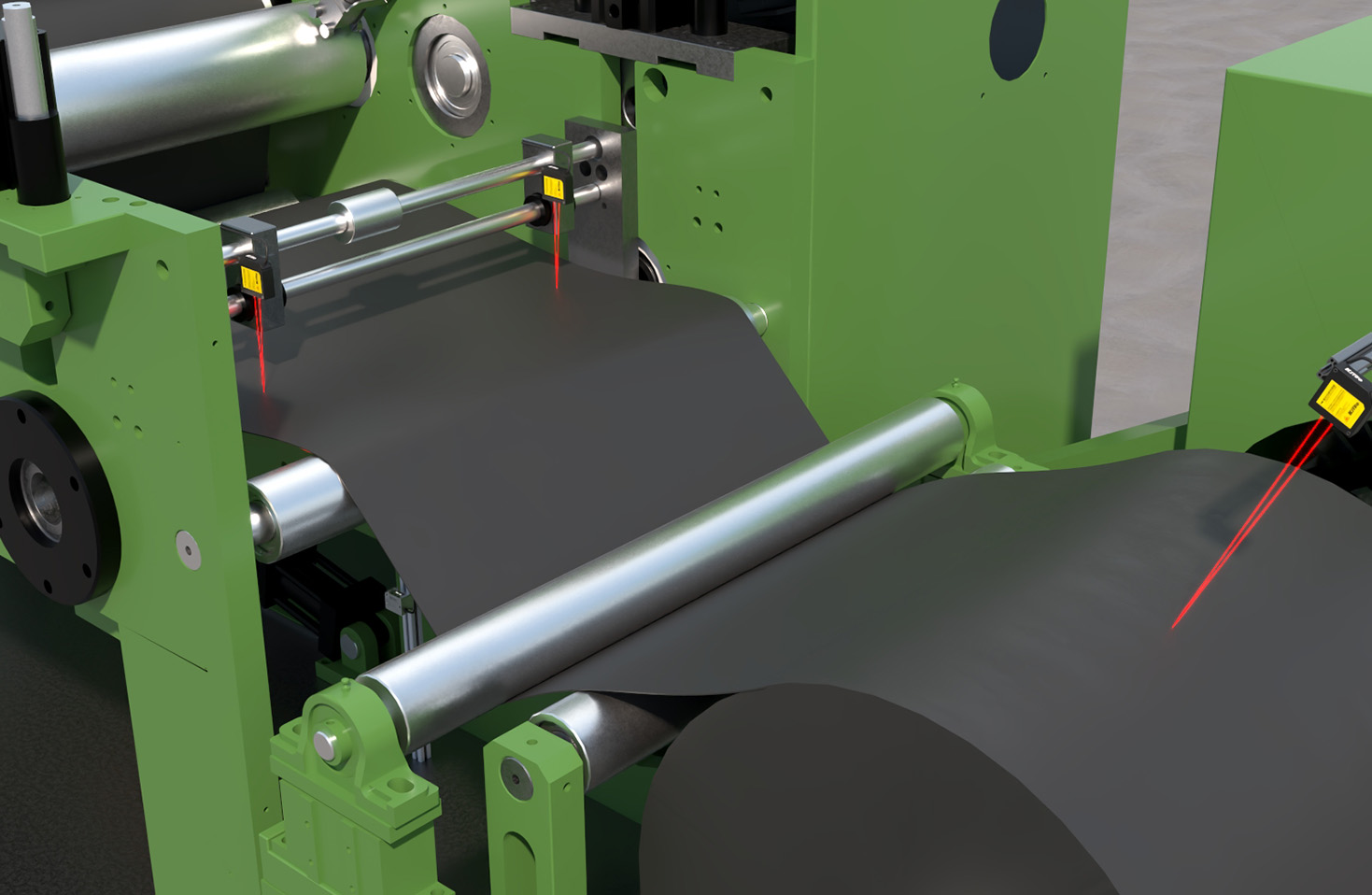
Overall, laser reset sensors are indispensable tools for enhancing efficiency and quality in automated systems. Their ability to deliver precise, repeatable measurements supports Industry 4.0 initiatives, facilitating smarter manufacturing with reduced downtime. As technology evolves, trends like miniaturization and integration with AI for predictive maintenance are expected to expand their applications, solidifying their role in the future of industrial automation.