In industrial automation, proximity sensors are essential for non-contact detection of objects, but detecting aluminum presents unique challenges due to its non-ferromagnetic properties. Unlike ferrous metals, aluminum does not generate significant eddy currents or magnetic responses in standard inductive sensors, requiring specialized designs. This article explores the working principles, sensor types, and optimization strategies for reliable aluminum detection.
Proximity sensors operate by generating an electromagnetic field and detecting changes caused by target objects. For ferrous metals, inductive sensors are highly effective as the material distorts the magnetic field, triggering a switch. However, aluminum, being non-ferrous and conductive, interacts differently. Standard inductive sensors may fail or exhibit reduced sensing ranges because aluminum's low permeability and high conductivity lead to weak magnetic responses. To address this, capacitive and specialized inductive sensors are employed.
Capacitive proximity sensors detect aluminum by measuring changes in capacitance. These sensors generate an electrostatic field between the sensor electrode and the target. When aluminum enters this field, it alters the dielectric constant, increasing capacitance. This change is processed by the sensor's circuitry to output a detection signal. Capacitive sensors are versatile and can detect various materials, including non-metallics, but they are sensitive to environmental factors like humidity and contaminants. For aluminum, they offer a reliable solution, especially in applications where precise positioning is required, such as in packaging or assembly lines.
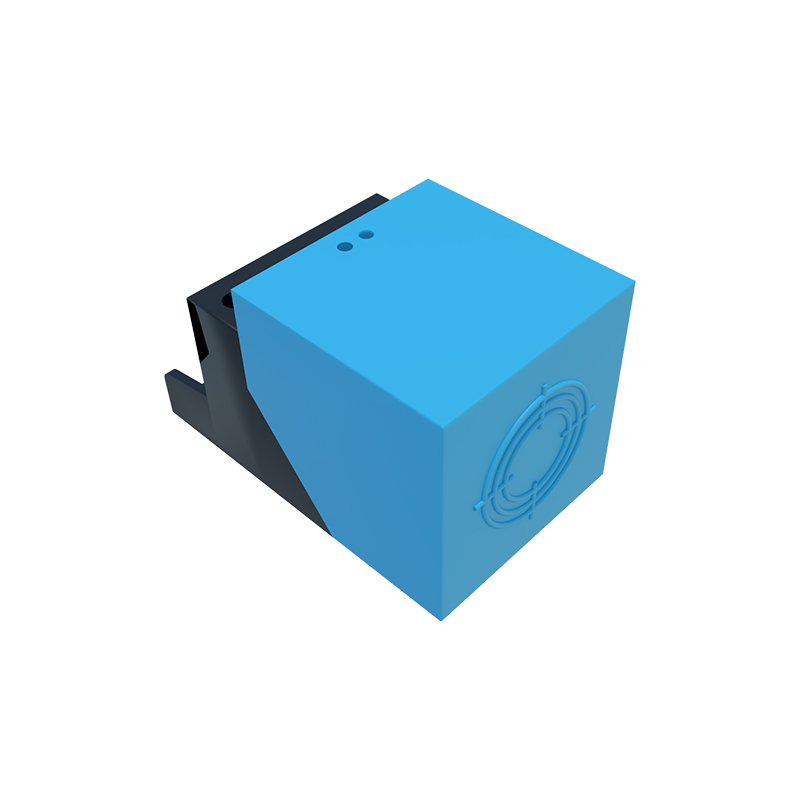
Alternatively, high-frequency inductive sensors are optimized for non-ferrous metals like aluminum. These sensors use higher oscillation frequencies (typically above 100 kHz) to induce eddy currents in conductive materials. Aluminum's conductivity allows it to generate eddy currents when exposed to the sensor's electromagnetic field, though the effect is weaker compared to ferrous metals. The sensor detects the energy loss from these eddy currents, enabling detection. To enhance performance, manufacturers often incorporate sensitivity adjustments and shielding to minimize interference from surrounding metals. For instance, in automotive manufacturing, such sensors are used to detect aluminum components in engines or body panels.
Key factors influencing aluminum detection include sensor-to-target distance, aluminum alloy composition, and surface conditions. Pure aluminum has higher conductivity than alloys, which can affect sensing ranges. Sensors must be calibrated based on the specific application, with typical sensing distances reduced by 30-50% compared to steel. Surface coatings or oxidation on aluminum can also impact detection, as they may insulate the material. In practice, engineers recommend testing with actual samples to ensure reliability.
Applications span industries like aerospace, where aluminum is prevalent in lightweight structures, and food processing, where aluminum foil or containers are detected. In robotics, proximity sensors ensure accurate pick-and-place operations for aluminum parts. Maintenance involves regular cleaning to prevent false triggers from debris.
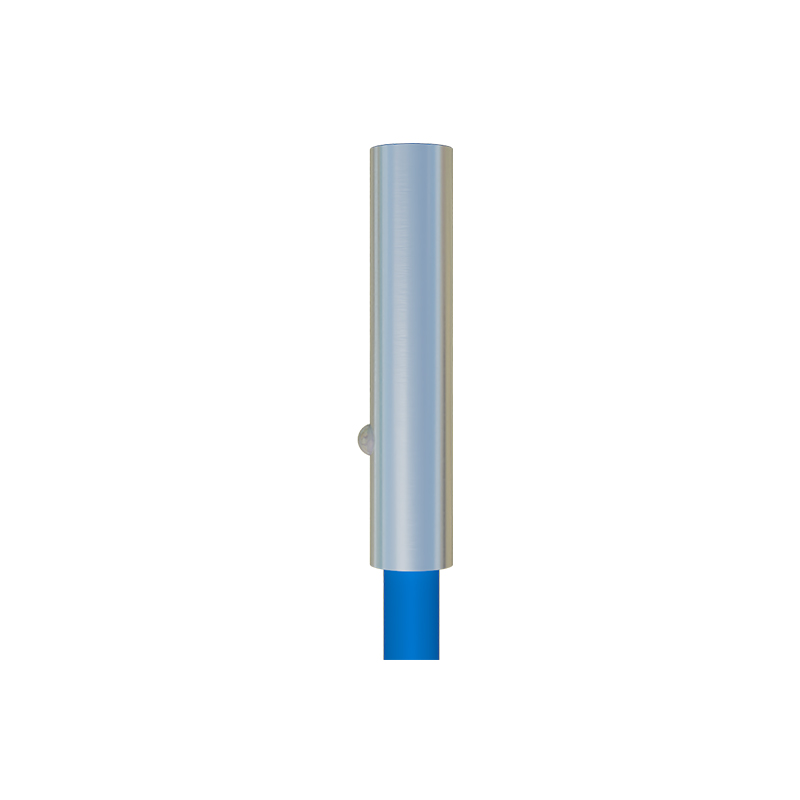
In summary, detecting aluminum with proximity sensors relies on tailored technologies like capacitive or high-frequency inductive designs. By understanding aluminum's properties and optimizing sensor parameters, engineers can achieve consistent performance in automated systems. Future advancements may focus on smart sensors with adaptive algorithms for broader material compatibility.