In the rapidly evolving landscape of industrial automation and electrical systems, proximity sensors have become indispensable components for detecting the presence or absence of objects without physical contact. As an experienced electrical engineer, I have witnessed firsthand how the choice of a proximity sensor supplier can significantly impact the efficiency, reliability, and safety of operations. This article delves into the key advantages offered by top-tier proximity sensor suppliers, highlighting why their role is critical in modern electrical engineering.
First and foremost, leading proximity sensor suppliers excel in providing high-precision and durable products. These sensors are designed to operate in harsh environments, including extreme temperatures, moisture, and electromagnetic interference. For instance, suppliers that utilize advanced materials like stainless steel or nickel-plated brass ensure longevity and resistance to corrosion, which is essential in industries such as manufacturing, automotive, and energy. The accuracy of these sensors in detecting metallic or non-metallic objects minimizes false triggers, thereby enhancing system performance and reducing downtime.
Another significant advantage is the technological innovation driven by reputable suppliers. With the advent of Industry 4.0 and the Internet of Things (IoT), proximity sensors are increasingly integrated with smart features, such as wireless connectivity and data analytics capabilities. Top suppliers invest heavily in research and development to offer sensors with improved sensitivity, faster response times, and compatibility with digital networks like PROFINET or EtherNet/IP. This allows engineers to implement predictive maintenance strategies, monitor real-time data, and optimize processes for greater energy efficiency and cost savings.
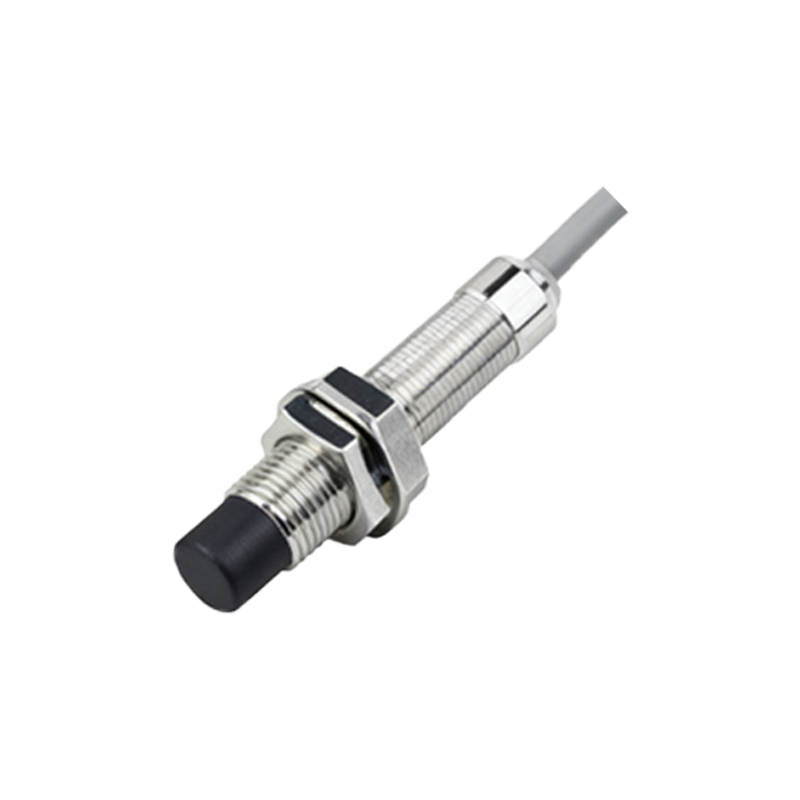
Customization and technical support are also hallmarks of superior proximity sensor suppliers. In complex electrical projects, off-the-shelf solutions may not suffice. Reliable suppliers work closely with clients to develop tailored sensors that meet specific requirements, such as unique form factors, specialized sensing ranges, or integration with existing control systems. Moreover, they provide comprehensive technical documentation, training, and after-sales service, ensuring that engineers can troubleshoot issues quickly and maintain seamless operations. This collaborative approach fosters long-term partnerships and drives innovation across the supply chain.
Cost-effectiveness is a crucial consideration in any engineering project, and top suppliers deliver value beyond the initial purchase price. By offering a wide range of proximity sensors—including inductive, capacitive, and ultrasonic types—they enable clients to select the most suitable option for their application, avoiding over-engineering and unnecessary expenses. Additionally, bulk purchasing options, warranty programs, and efficient logistics contribute to lower total cost of ownership. In the long run, investing in quality sensors from a trusted supplier reduces maintenance costs and extends the lifespan of electrical systems.
Finally, compliance with international standards and certifications is a key advantage provided by leading suppliers. Proximity sensors must adhere to regulations such as IEC 60947-5-2 for industrial applications or ATEX directives for explosive atmospheres. Reputable suppliers ensure their products meet these stringent requirements, offering peace of mind regarding safety and regulatory compliance. This is particularly vital in sectors like oil and gas, where failure to comply can lead to catastrophic consequences.
In conclusion, the advantages of partnering with a top proximity sensor supplier extend far beyond product quality. From technological advancements and customization to cost savings and regulatory adherence, these suppliers play a pivotal role in advancing electrical engineering. As industries continue to embrace automation and smart technologies, selecting the right supplier will remain a cornerstone of successful project implementation and operational excellence.