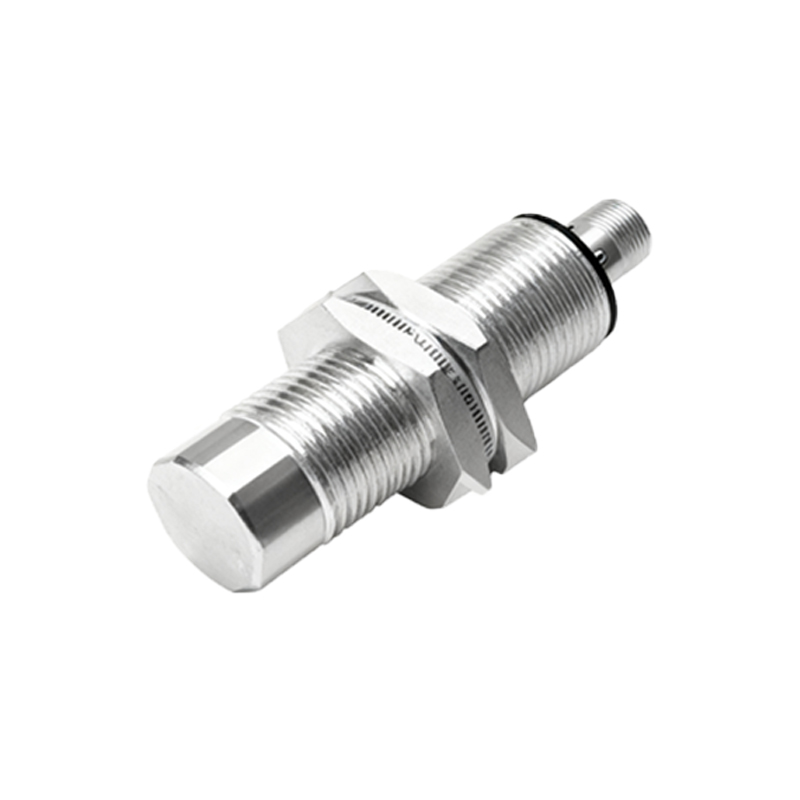
In the realm of industrial fluid cutting systems, waterjet technology stands out for its precision and versatility, capable of slicing through materials ranging from soft composites to hardened metals. At the heart of a waterjet intensifier unit—the component responsible for generating ultra-high-pressure water streams—lies a critical monitoring and control element: the pressure sensor proximity switch. This article delves into the function, selection criteria, and maintenance best practices for these switches, essential for ensuring operational safety and efficiency.
Waterjet intensifiers operate by using hydraulic or electric power to amplify water pressure, often reaching levels of 60,000 to 90,000 psi. Within this high-stress environment, pressure sensors continuously measure the fluid pressure, while proximity switches act as binary devices that trigger actions based on preset pressure thresholds. Typically, these switches are non-contact sensors, such as inductive or capacitive types, positioned to detect the movement of a piston or diaphragm within the intensifier. When pressure reaches a critical point, the switch sends a signal to the control system to initiate safety protocols, such as shutting down the pump or activating relief valves, thereby preventing overpressure incidents that could lead to equipment failure or hazardous leaks.
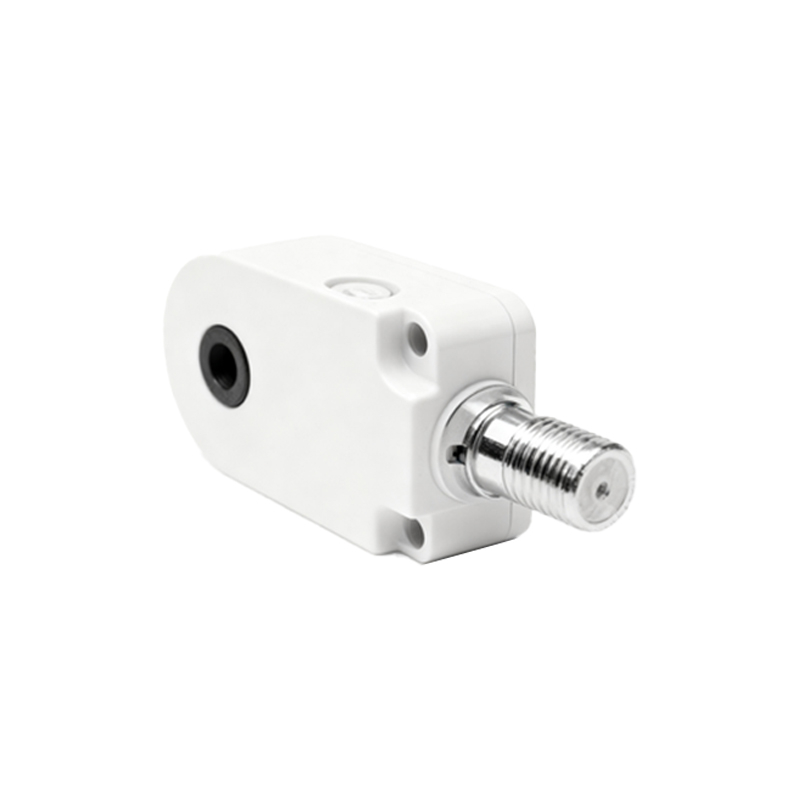
Selecting the right proximity switch for a waterjet intensifier involves several key considerations. First, compatibility with high-pressure environments is paramount; switches must be rated for the specific pressure range and constructed from materials like stainless steel to resist corrosion from water and additives. Second, environmental factors such as temperature fluctuations, vibration, and exposure to abrasive slurries (in abrasive waterjet systems) demand robust sealing and durability. Third, response time and accuracy are crucial—delays in switching can compromise system integrity. Engineers often opt for switches with adjustable setpoints and hysteresis to fine-tune performance, ensuring reliable operation under varying load conditions.
Installation and calibration are equally vital. Proper mounting alignment minimizes false triggers caused by mechanical interference, while regular calibration against a certified pressure gauge maintains accuracy. In practice, many industrial facilities integrate these switches with programmable logic controllers (PLCs) for automated monitoring, enabling real-time data logging and predictive maintenance. For instance, a proximity switch detecting abnormal piston oscillations might alert operators to potential seal wear before a catastrophic failure occurs.
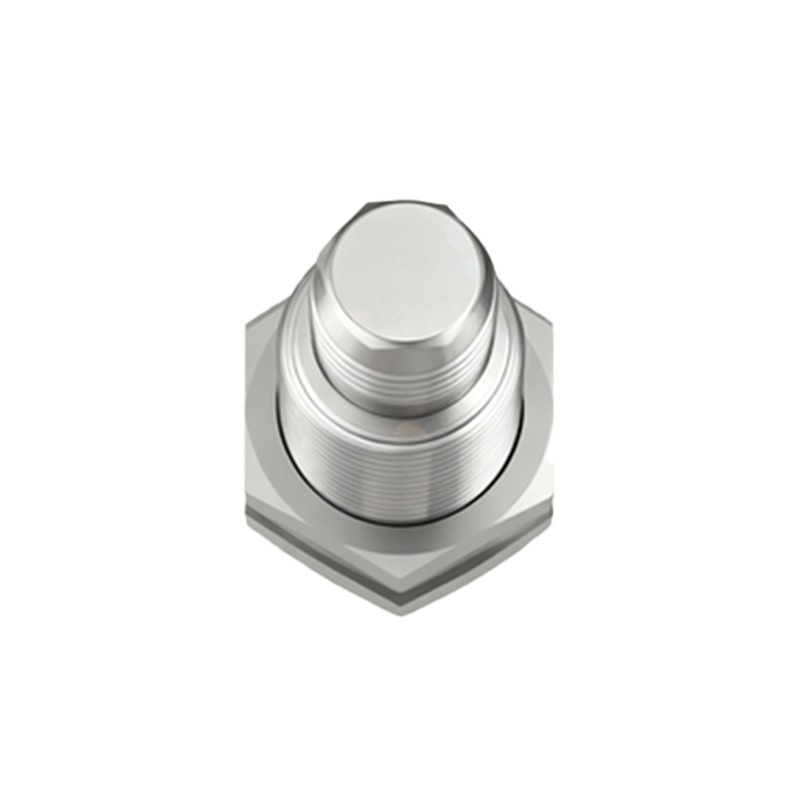
Common challenges with waterjet intensifier pressure sensor proximity switches include sensor drift due to material fatigue, contamination from particulate matter, and electrical noise interference. Mitigation strategies involve routine inspections, using shielded cables, and implementing fail-safe circuits. Additionally, advancements in smart sensor technology, such as IoT-enabled switches with self-diagnostic features, are gaining traction, offering enhanced reliability and reduced downtime.
In summary, pressure sensor proximity switches are indispensable guardians of waterjet intensifier systems. Their role in maintaining precise pressure control not only safeguards equipment but also optimizes cutting quality and productivity. As waterjet technology evolves toward higher pressures and automation, the demand for more sophisticated, resilient switching solutions will continue to grow, underscoring the importance of informed selection and proactive maintenance in industrial settings.