In the rapidly evolving landscape of industrial automation and precision measurement, cold source laser sensors have emerged as a pivotal technology. Unlike traditional thermal laser sources, these sensors utilize advanced mechanisms to generate laser emission with minimal associated heat. This fundamental characteristic unlocks a suite of advantages critical for modern high-precision, high-stability applications. This article delves into the operational principles, key benefits, diverse applications, and future trends of cold source laser sensors.
At its core, a cold source laser sensor operates by producing a coherent beam of light through methods that significantly reduce thermal load. While all lasers involve some energy conversion and potential heat generation, "cold source" typically refers to designs employing specific semiconductor materials, optical pumping techniques, or quantum cascade structures that inherently manage heat more efficiently. The primary goal is to minimize thermo-optic effects—phenomena where changes in temperature alter the refractive index of the laser medium, leading to wavelength drift, mode hopping, and reduced output power stability. By mitigating these effects, cold source lasers deliver exceptional beam quality and spectral purity over extended operational periods.
The advantages of this technology are substantial and directly address pain points in sensitive industrial environments. First and foremost is enhanced measurement stability and accuracy. In applications like non-contact dimensional gauging, surface inspection, or alignment, even micron-level drifts caused by thermal expansion in the sensor housing or wavelength shift can lead to significant errors. Cold source sensors dramatically reduce this thermal noise floor. Secondly, they offer improved longevity and reliability. Excessive heat is a primary contributor to component degradation in optoelectronics. By operating at lower effective temperatures, these sensors experience less stress on diodes, optics, and electronic drivers, extending mean time between failures (MTBF). Third, they enable compact and robust designs. The reduced need for bulky active cooling systems (like large heat sinks or Peltier coolers) allows for more streamlined sensor packaging, facilitating integration into space-constrained machinery or portable devices. Finally, they contribute to lower power consumption, aligning with global trends towards energy-efficient industrial systems.
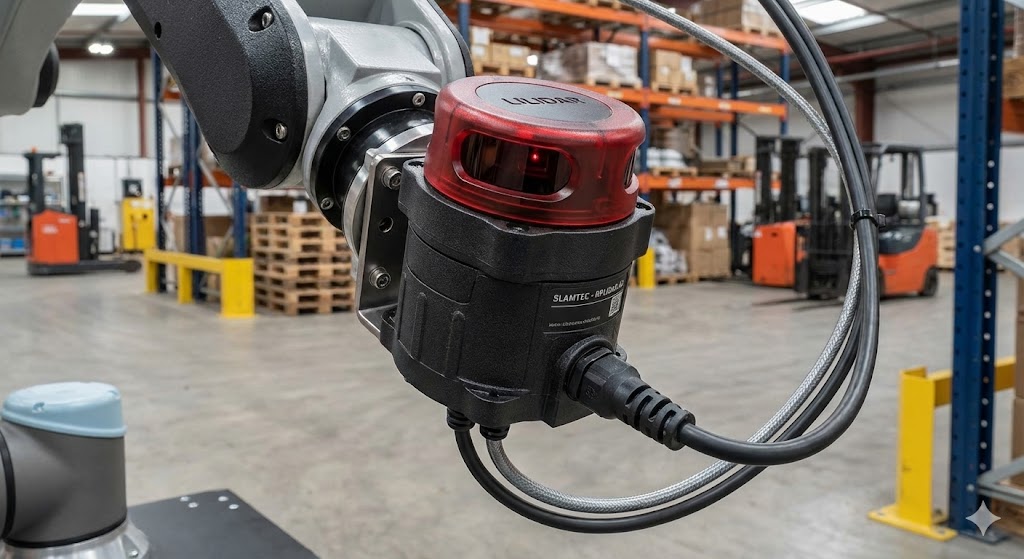
The application spectrum for cold source laser sensors is broad and growing. In semiconductor manufacturing, they are indispensable for wafer inspection, lithography alignment, and critical dimension measurement, where nanometer-scale precision in temperature-controlled cleanrooms is non-negotiable. The pharmaceutical and biotechnology sectors utilize them in particle analysis systems and lab-on-a-chip devices, where sensitive biological samples must not be exposed to thermal radiation. Automotive assembly lines employ these sensors for high-speed, high-accuracy gap-and-flush measurement between body panels. In precision metrology, interferometers and LIDAR systems benefit from the stable wavelength to achieve sub-micron distance measurements. Furthermore, emerging fields like quantum computing and advanced spectroscopy rely on ultra-stable, narrow-linewidth cold lasers for qubit manipulation and molecular fingerprinting, respectively.
Recent technological advancements continue to push the boundaries. The integration of Vertical-Cavity Surface-Emitting Laser (VCSEL) arrays, which naturally exhibit low threshold currents and efficient heat dissipation, is a key trend. Developments in photonic integrated circuits (PICs) allow the monolithic integration of the laser source, waveguides, and sometimes detectors onto a single chip, further enhancing thermal management and reducing size. Advanced feedback control algorithms and intelligent thermal compensation circuits actively monitor and adjust operational parameters in real-time to maintain optimal performance despite ambient temperature fluctuations.
Looking ahead, the trajectory for cold source laser sensors points toward even greater integration, intelligence, and accessibility. As the Industrial Internet of Things (IIoT) demands more distributed, smart sensor nodes, the low-power, high-reliability attributes of these sensors will be crucial. Research into new low-dimensional materials like quantum dots or 2D materials promises lasers with fundamentally new thermal properties. The convergence with artificial intelligence for predictive maintenance and adaptive calibration will further solidify their role in smart factories.
In conclusion, cold source laser sensors represent a significant leap forward in photonic sensing technology. By fundamentally addressing the thermal limitations of conventional lasers, they provide the stability, accuracy, and reliability required for the most demanding industrial and scientific tasks. As innovation continues to drive down costs and enhance performance, their adoption across manufacturing, R&D, and beyond is set to accelerate, forming the invisible backbone of tomorrow's precision-driven industries.