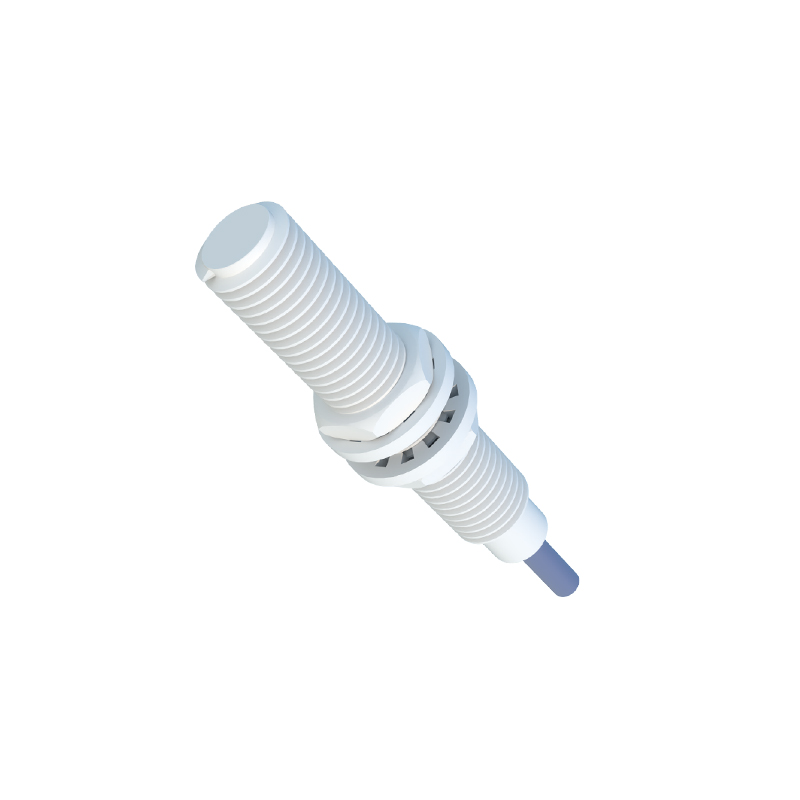
In the rapidly evolving landscape of industrial automation and IoT, the demand for reliable sensing solutions in harsh environments has never been higher. Waterproof proximity sensors are critical components designed to detect the presence or absence of objects without physical contact, even under exposure to moisture, dust, and extreme temperatures. These sensors are indispensable in sectors such as automotive manufacturing, food and beverage processing, marine operations, and outdoor machinery. This article explores leading companies at the forefront of designing and manufacturing high-performance waterproof proximity sensors, highlighting their technological innovations and industry applications.
One of the prominent names in this domain is Sick AG, a German-based global leader in sensor intelligence and industrial applications. Sick offers a comprehensive portfolio of inductive, capacitive, and photoelectric proximity sensors with IP67, IP68, and IP69K protection ratings. Their sensors are renowned for robust construction, ensuring reliable operation in washdown environments common in pharmaceutical and food industries. Sick's innovations often integrate advanced diagnostics and IO-Link communication, enabling predictive maintenance and seamless integration into Industry 4.0 frameworks.
Another key player is Omron Corporation, a Japanese electronics giant with a strong foothold in factory automation. Omron's E2E and E2A series of waterproof proximity sensors are engineered for durability and precision. Featuring stainless steel housings and resin-encapsulated coils, these sensors withstand corrosive liquids and high-pressure cleaning. Omron emphasizes miniaturization without compromising performance, providing compact solutions for space-constrained applications in automotive assembly lines and packaging machinery.
Pepperl+Fuchs, also headquartered in Germany, specializes in explosion protection and intrinsic safety, making their waterproof proximity sensors ideal for hazardous areas. Their product lines, such as the inductive NBN and cylindrical series, offer high immunity to electromagnetic interference and extreme environmental conditions. With IP68/IP69K certifications, Pepperl+Fuchs sensors are deployed in offshore oil rigs, chemical plants, and wastewater treatment facilities where reliability is non-negotiable.
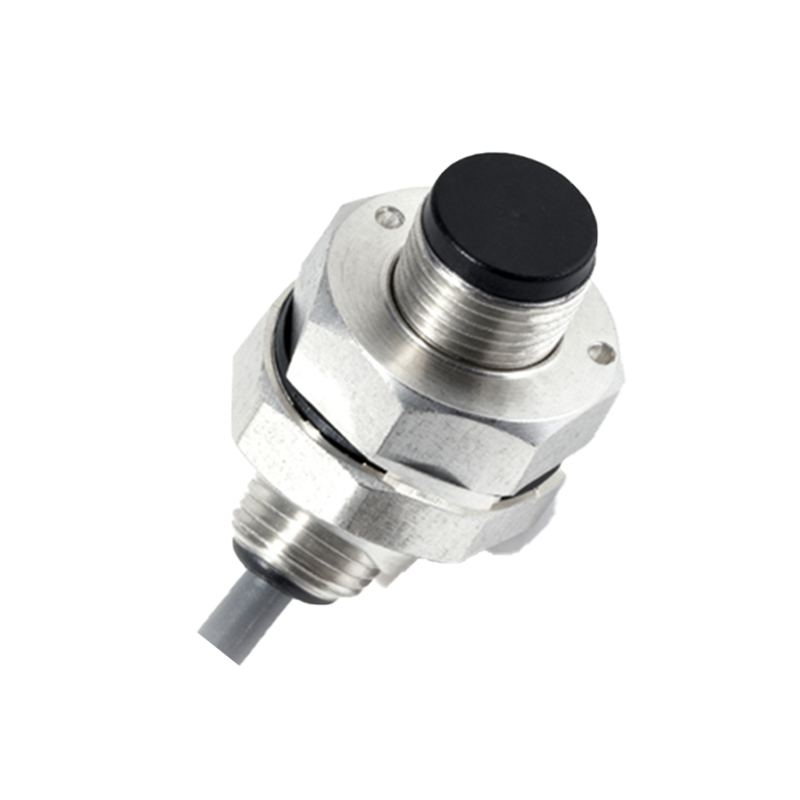
From the United States, Balluff Inc. stands out for its innovative designs and customer-centric solutions. Balluff's BOS series and miniature sensors incorporate hybrid polymer materials that resist chemicals and mechanical stress. The company focuses on smart sensor technologies, including RFID integration for asset tracking alongside proximity detection. Their products are widely used in material handling, robotics, and automotive welding systems, where continuous operation under coolant exposure is required.
ifm electronic, another German innovator, emphasizes ease of use and connectivity. ifm's inductive sensors with V-shaped detection fields and patented technologies reduce installation complexity. Their IO-Link-enabled sensors provide real-time data on operating conditions, facilitating proactive system management. ifm's waterproof models, certified up to IP69K, are prevalent in mobile hydraulics, agricultural equipment, and beverage dispensing systems.
Turck GmbH offers a versatile range of waterproof proximity sensors, including multi-voltage models that simplify inventory management. Turck's designs often feature extended sensing ranges and high-temperature tolerance, suitable for foundries and plastic injection molding. Their ruggedized sensors with PBT or stainless steel housings ensure longevity in abrasive environments like mining and construction.
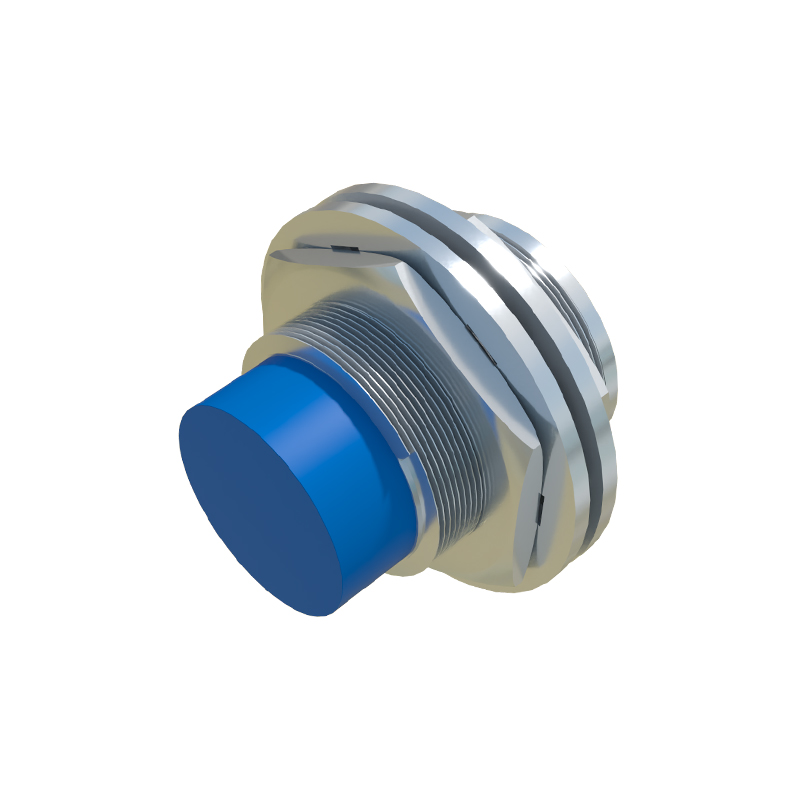
Emerging trends in this sector include the integration of IIoT capabilities, self-diagnostic features, and enhanced energy efficiency. Companies are increasingly adopting laser-based and ultrasonic technologies for non-contact detection in challenging wet conditions. When selecting a supplier, engineers should consider factors such as protection ratings (IP codes), material compatibility, output types (PNP/NPN), sensing distance, and communication protocols.
In conclusion, the market for waterproof proximity sensors is driven by the need for resilience and intelligence in industrial operations. Companies like Sick, Omron, Pepperl+Fuchs, Balluff, ifm, and Turck lead through continuous R&D, offering tailored solutions that enhance operational safety and productivity. As industries embrace digital transformation, these sensors will play a pivotal role in enabling resilient, data-driven automation systems worldwide.