In the realm of industrial automation, precision, reliability, and durability are non-negotiable. Among the myriad of components that ensure seamless operation, proximity sensors stand as silent sentinels, detecting the presence or absence of objects without physical contact. The PRT12-4D0 inductive proximity sensor represents a specific and robust implementation of this technology, designed to excel in demanding environments. This article provides a comprehensive technical analysis and application guide for the PRT12-4D0, delving into its specifications, operating principles, and optimal use cases.
The PRT12-4D0 is a cylindrical, shielded (flush-mountable), inductive proximity switch. The "12" in its designation typically refers to its 12mm diameter housing, a common form factor that offers a good balance between sensing performance and physical footprint. The "4D0" suffix often indicates key electrical characteristics: a 4mm nominal sensing distance (Sn) and a DC 3-wire configuration with an NPN normally open (NO) output transistor. It is crucial for engineers and technicians to verify these parameters against the specific manufacturer's datasheet, as coding conventions can vary.
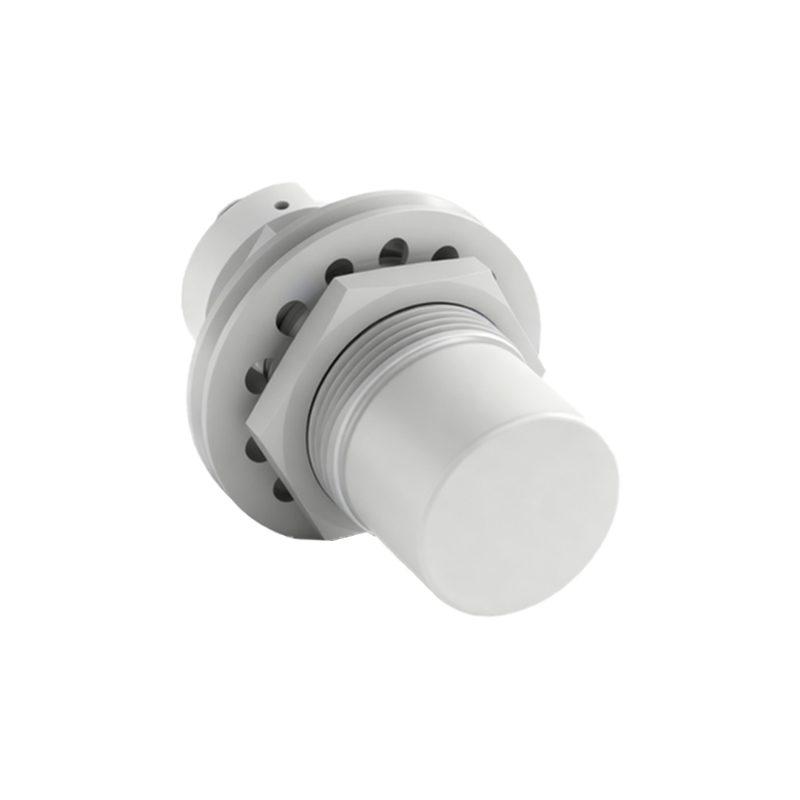
Operating on the principle of electromagnetic induction, the PRT12-4D0 generates a high-frequency oscillating electromagnetic field from its active face. When a metallic target (typically ferrous metals like steel and iron offer the best performance, though non-ferrous metals can be detected at a reduced sensing range) enters this field, eddy currents are induced in the target. This causes a damping of the oscillation, which is detected by the sensor's internal circuitry. This change triggers the solid-state output switch, signaling the presence of the object. The non-contact nature of this operation eliminates mechanical wear, granting the sensor a exceptionally long operational life.
Key technical specifications define the PRT12-4D0's capabilities. The rated operating voltage is usually in the range of 10-30V DC, making it compatible with standard industrial control voltages. Its output is a DC NPN transistor in a normally open configuration, meaning the switch closes (allows current to flow from the load to common) when a target is detected. The housing is typically constructed from nickel-plated brass or stainless steel, with sensing face made of PBT or similar thermoplastic, offering high resistance to oils, coolants, and minor physical impacts. Its protection rating is generally IP67, ensuring it is dust-tight and can withstand temporary immersion in water, which is vital for washdown environments or areas with high humidity.
Installation and wiring are straightforward but require attention to detail. Being a shielded type, the PRT12-4D0 can be mounted flush in a metal bracket without affecting its sensing range, offering excellent mechanical protection. For DC 3-wire models, the standard wiring is: Brown wire to positive supply (+V), Blue wire to negative supply (0V/Common), and Black wire as the switched output signal to the PLC input or relay. A critical best practice is to always implement electrical noise suppression. This includes using shielded cables in electrically noisy environments, keeping sensor cables separate from power lines, and installing surge protection devices if the sensor is connected to long cables or inductive loads.
The PRT12-4D0 finds extensive application across various industrial sectors. Common uses include: position verification of machine parts (e.g., confirming a cylinder is fully retracted or extended), counting metallic objects on a conveyor, detecting the presence of a tool in a CNC machine spindle, and as an end-of-travel limit switch in automated assembly lines. Its robust design makes it suitable for harsh machine tool environments, packaging machinery, and material handling systems.
When selecting and applying the PRT12-4D0, several factors must be considered. The target material significantly affects the effective sensing range; always derate the sensing distance for non-ferrous metals. The sensor's switching frequency defines how fast it can detect objects passing by, which must be higher than the maximum object frequency in the application. Environmental factors such as extreme temperatures, strong magnetic fields, or welding currents can interfere with operation and may require sensors with specialized coatings or increased mounting distances.
In conclusion, the PRT12-4D0 inductive proximity sensor is a workhorse component in industrial control systems. Its robust construction, consistent performance, and straightforward integration make it a reliable choice for countless detection tasks involving metallic objects. By understanding its technical nuances—from its electromagnetic operating principle to its specific wiring and installation requirements—maintenance engineers and system designers can ensure optimal performance, enhance machine reliability, and minimize downtime. Always consult the official manufacturer documentation for the precise specifications and installation guidelines pertaining to your specific model variant.