In the demanding and safety-critical environment of mining operations, proximity switch sensors play an indispensable role. These robust devices, designed to detect the presence or absence of metallic objects without physical contact, are vital for automation, process control, and personnel safety in conveyor systems, drilling equipment, and access control. For procurement specialists, project engineers, and maintenance managers, understanding the factors that influence the price of these sensors is crucial for making informed, cost-effective decisions that do not compromise on reliability or safety.
The price range for mining proximity switch sensors is broad, typically spanning from approximately $50 for basic, standard-duty models to over $500 or more for highly specialized, intrinsically safe, or extreme-performance units. This significant variance is not arbitrary but is directly tied to a constellation of technical specifications, certifications, and build qualities mandated by the harsh mining environment.
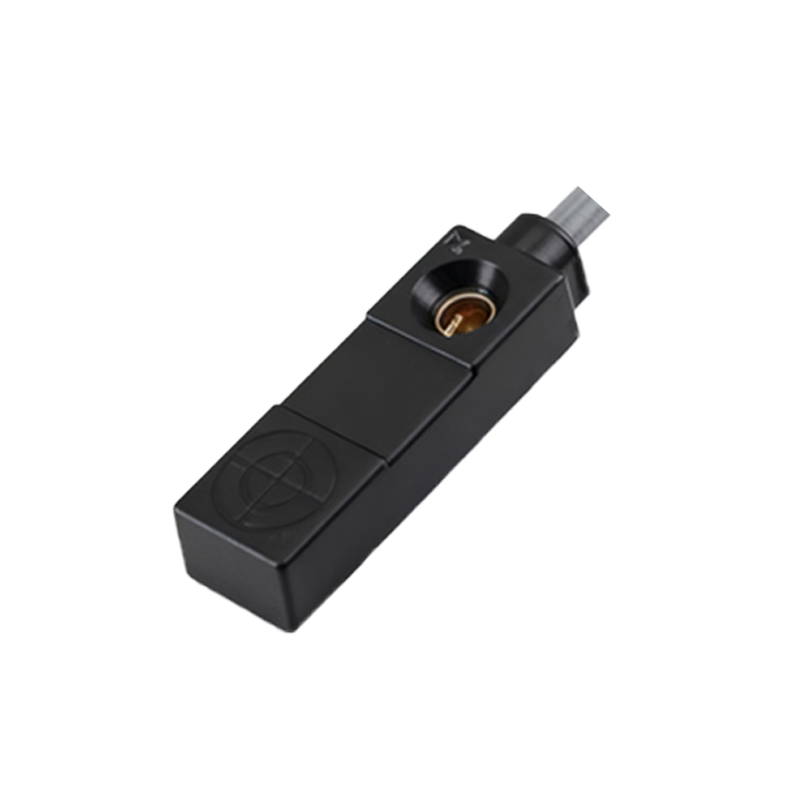
A primary cost driver is the sensing technology and performance. Inductive sensors, the most common type for detecting metals, vary in price based on sensing range, switching frequency, and output type (e.g., NPN, PNP, analog, or IO-Link). A sensor with a 15mm range will cost less than one with a 40mm range. High-speed models for rapid detection on fast-moving conveyors command a premium. Furthermore, sensors with advanced diagnostics and communication capabilities, such as those supporting IO-Link for predictive maintenance data, are positioned at the higher end of the price spectrum.
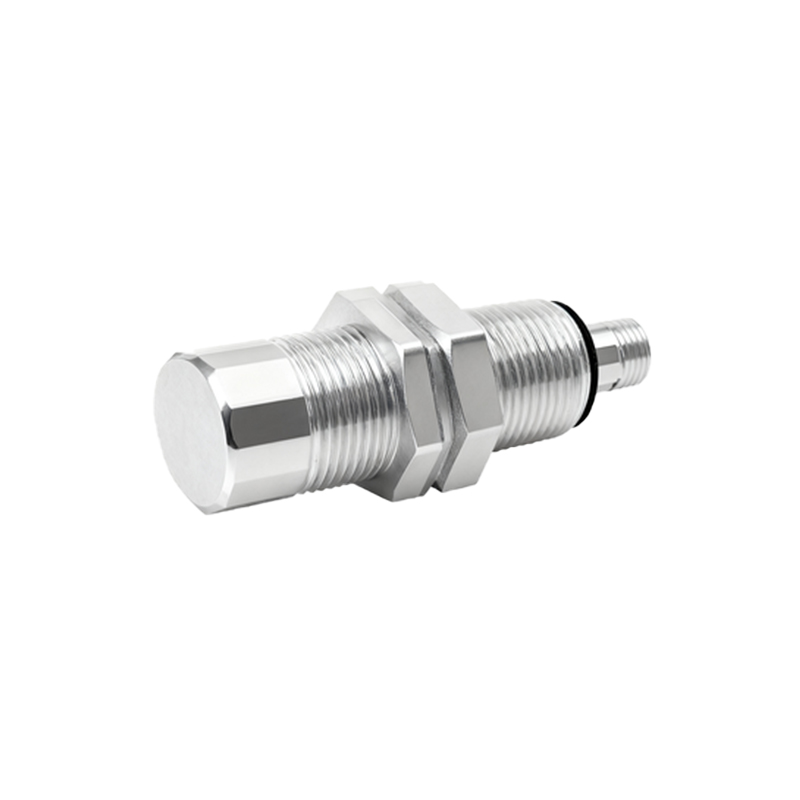
Perhaps the most critical factor is safety certification and housing robustness. Mining sensors must withstand vibration, moisture, dust, and chemical exposure. Prices escalate with the ingress protection (IP) rating, with IP67 being a common baseline and IP68/69K for submersible or high-pressure wash-down applications being more expensive. The housing material is pivotal; nickel-plated brass or stainless steel housings, while costlier, offer superior corrosion resistance compared to plastic or standard plated brass.
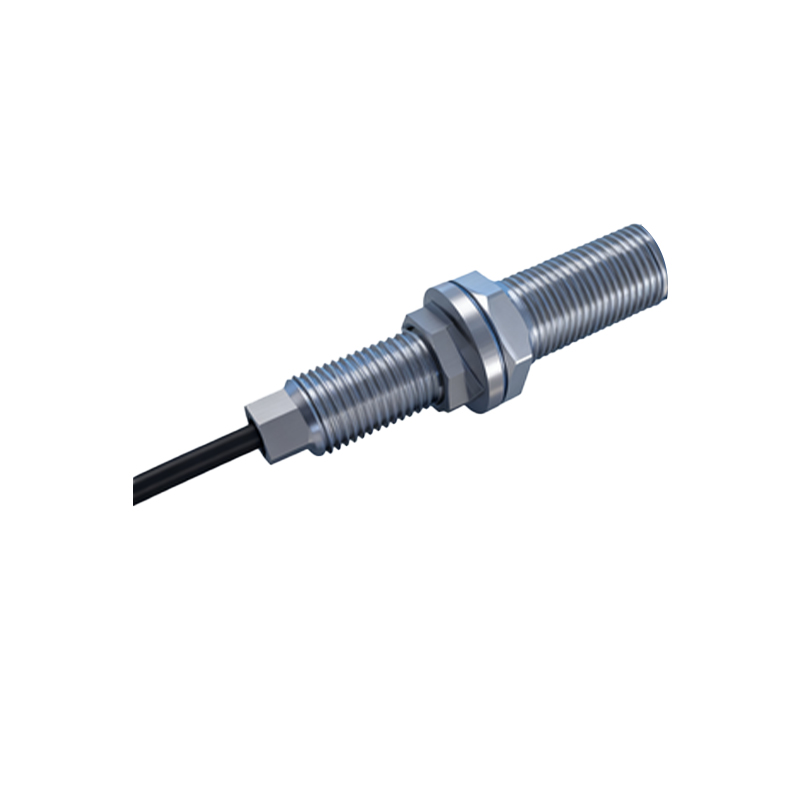
For hazardous areas where flammable gases or dust may be present, intrinsic safety (IS) or explosion-proof certifications are non-negotiable. Sensors certified to ATEX, IECEx, or MSHA standards undergo rigorous testing and require specialized design. This certification process adds substantial cost, easily doubling or tripling the price compared to a standard industrial sensor. The specific protection type (e.g., Ex ia, Ex d) also influences the final price.
Brand reputation and supply chain support significantly impact pricing. Established global brands like Siemens, Pepperl+Fuchs, Turck, and Balluff often carry a price premium justified by their proven track record in mining, extensive R&D, global availability, and comprehensive technical support. While alternative or regional brands may offer lower initial purchase prices, total cost of ownership (TCO) must be evaluated, considering factors like mean time between failures (MTBF), warranty, and the cost of downtime.
Additional features that affect cost include the cable connection and length. Sensors with integrated, ruggedized PUR or PVC cables are generally more expensive than those with standard PVC or quick-disconnect options. The required cable length also adds to the cost. Electrical characteristics, such as operating voltage range (e.g., 10-30V DC vs. a wider range) and current rating, also play a role.
When budgeting for mining proximity sensors, it is imperative to look beyond the unit price. Consider the Total Cost of Ownership (TCO), which includes installation costs, maintenance frequency, potential production losses from sensor failure, and inventory costs for spares. A marginally cheaper sensor that fails prematurely in a critical application can incur costs far exceeding the price difference of a more reliable unit.
In conclusion, the price of a mining proximity switch sensor is a direct reflection of its capability to perform reliably under extreme conditions while ensuring safety. Procurement decisions should be based on a thorough technical evaluation against the application requirements, prioritizing necessary certifications and durability. Investing in the right sensor, even at a higher initial cost, is an investment in operational continuity, safety compliance, and ultimately, the bottom line of the mining operation.