In the realm of industrial automation and precision control, paper proximity sensors have emerged as indispensable components, particularly in sectors such as printing, packaging, and paper manufacturing. These sensors are designed to detect the presence, absence, or position of paper and similar materials without physical contact, ensuring seamless operations and minimizing material waste. By leveraging technologies like capacitive, inductive, or optical sensing, paper proximity sensors offer high reliability and accuracy in diverse environments.
The primary function of a paper proximity sensor is to monitor paper flow in machinery. For instance, in high-speed printing presses, these sensors detect paper jams or misfeeds by sensing interruptions in the paper path. This real-time detection allows for immediate shutdown or alerting, preventing damage to equipment and reducing downtime. Similarly, in packaging lines, sensors ensure that labels or cartons are correctly positioned before sealing or cutting processes. The non-contact nature of these sensors is crucial, as it avoids wear and tear on both the sensor and the paper, maintaining product quality over long periods.
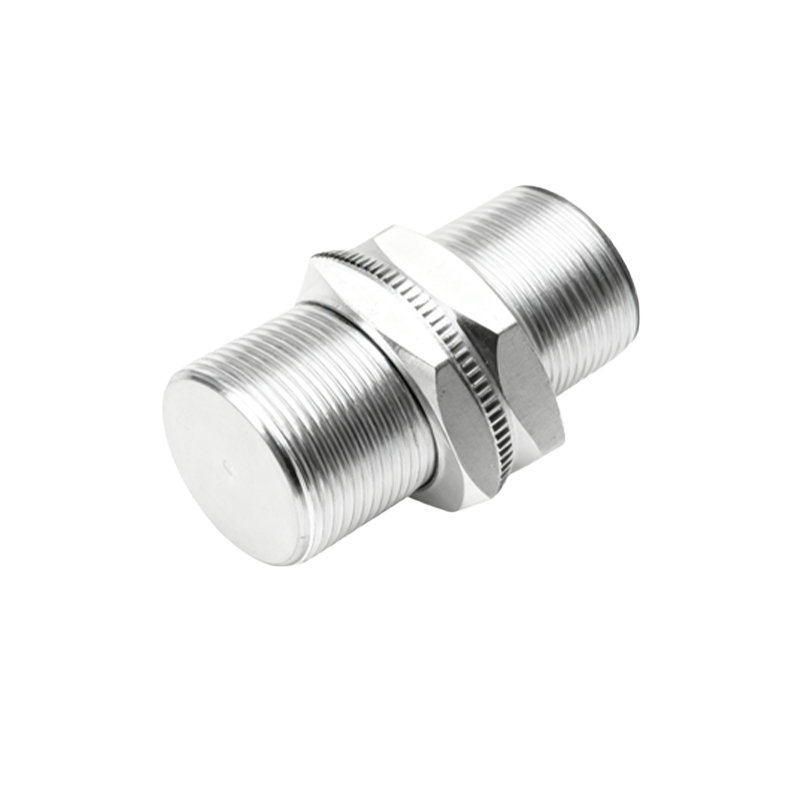
Paper proximity sensors operate based on different principles. Capacitive sensors, for example, detect changes in capacitance caused by the paper's dielectric properties, making them suitable for thin or non-metallic materials. Optical sensors use light beams to identify paper edges or gaps, offering high precision for applications requiring exact alignment. Inductive sensors, though less common for paper, may be used in scenarios involving metallic components within paper-based products. Each type is selected based on factors like material composition, environmental conditions (e.g., dust or humidity), and required sensing range.

In the paper manufacturing industry, these sensors play a vital role in quality control. They can detect variations in paper thickness or density during production, enabling adjustments to machinery for consistent output. Additionally, in automated sorting systems, proximity sensors help categorize paper by type or size, enhancing recycling efficiency. The integration of smart sensors with IoT platforms has further expanded their utility, allowing for predictive maintenance and data analytics to optimize overall system performance.
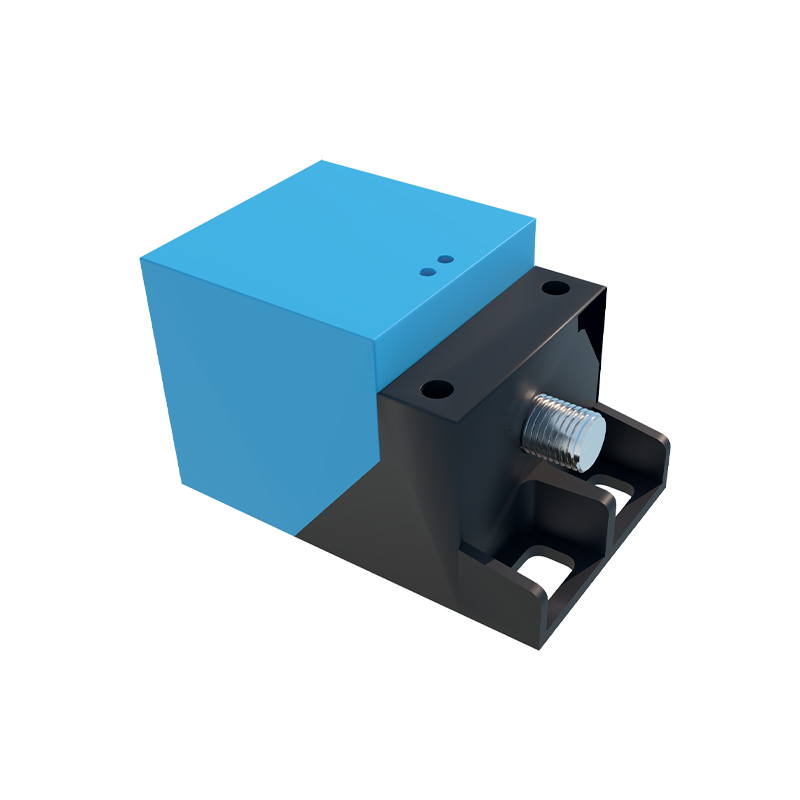
Despite their advantages, challenges such as sensitivity to environmental factors or false triggers due to debris must be addressed through proper calibration and shielding. Regular maintenance and selecting sensors with appropriate IP ratings ensure durability in harsh industrial settings. As technology advances, innovations like miniaturized sensors and enhanced signal processing are expected to broaden applications, from office printers to large-scale industrial robots.
Overall, paper proximity sensors are key enablers of automation, contributing to increased productivity, safety, and sustainability in paper-related industries. Their ability to provide accurate, contactless detection makes them a cornerstone of modern manufacturing processes, aligning with trends toward smarter, more efficient industrial ecosystems.